































































Sony moves to expand Udio lawsuit with 30 000 recording claim
27 May 2026 - 09:17


Sony Music has moved to expand its copyright infringement lawsuit against artificial intelligence music platform Udio, alleging that the company trained its AI systems on more than 30 000 recordings without authorisation.
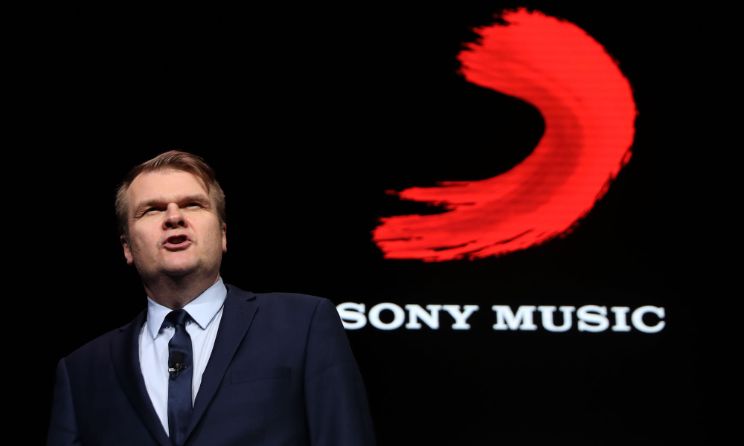
Court filings reported over the weekend indicate that Sony is seeking to amend its complaint, nearly two years after legal proceedings began. The latest move follows an extended discovery process and comes after Udio formally responded to the current version of the lawsuit in late April, maintaining its position that its use of copyrighted material falls under fair use protections.
The development comes as major music companies continue to pursue differing approaches to generative AI platforms. While Udio has reportedly reached agreements with other major labels, Sony is continuing with its legal action.
According to the proposed amended complaint, Sony said the discovery process had provided greater insight into what it described as the scale of alleged infringement.
The company said it had used a process involving audio recognition technology from Audible Magic to identify copyrighted recordings within Udio’s training dataset. Sony stated that this had led to the identification of “hundreds of thousands” of audio files that it claims were used without permission.
“To be clear, Plaintiffs have a sufficient basis to assert claims against Udio as to all the works they own or control that returned match results within Udio’s training data,” Sony said in the filing. “However, in the interest of ensuring the orderly progress of this litigation and facilitating swift resolution of the key issues, Plaintiffs have elected to prosecute Udio’s use and reproduction of approximately 30 304 works.”
Udio has opposed the proposed amendment, arguing that the changes would significantly broaden the scope of the case and delay proceedings.
In its response, the company said the revised complaint “would effectively start discovery over from scratch with respect to tens of thousands of additional works and multiple new parties”.
Udio also argued that Sony could not add a large number of additional works to the lawsuit without meeting legal requirements relating to ownership, registration and validity of each claim.
The company further said that allowing the amended complaint to proceed would delay consideration of its fair use defence by several months.
“Plaintiffs’ delayed efforts to identify allegedly infringed works and amend their complaint (when they apparently felt they had a basis for asserting the current works without any discovery) cannot excuse blowing up the schedule at this late date,” Udio’s legal team said.
The dispute is expected to be discussed further at a status conference scheduled for 10 July, where the court may consider the proposed amendments and issues relating to Udio’s fair use arguments.
The case forms part of wider legal and commercial debates surrounding the use of copyrighted material in training generative AI systems, as music companies and technology firms continue to define the boundaries of AI use within the industry.


Most popular

Gambia: Suntou Susso announce UK tour for ‘The Path of a Griot’
09 Oct 2026

Top amapiano songs of 2026
16 Feb 2026

Open call: 2026 Gender@Work music industry training in Johannesburg
09 Oct 2026

Top Afrobeats songs of 2026
19 Mar 2026

Top Naija songs of 2026
31 Mar 2026

Call for applications: ACCES 2026 Emerging Artist Spotlight Competition
01 Oct 2026
Disclaimer: Music In Africa provides a platform for musicians and contributors to embed music and videos solely for promotional purposes. If any track or video embedded on this platform violates any copyrights please inform us immediately and we will take it down. Please read our Terms of Use for more.

Subscribe to our monthly Newsletter
Follow us on social media


Please log in to post a comment.