
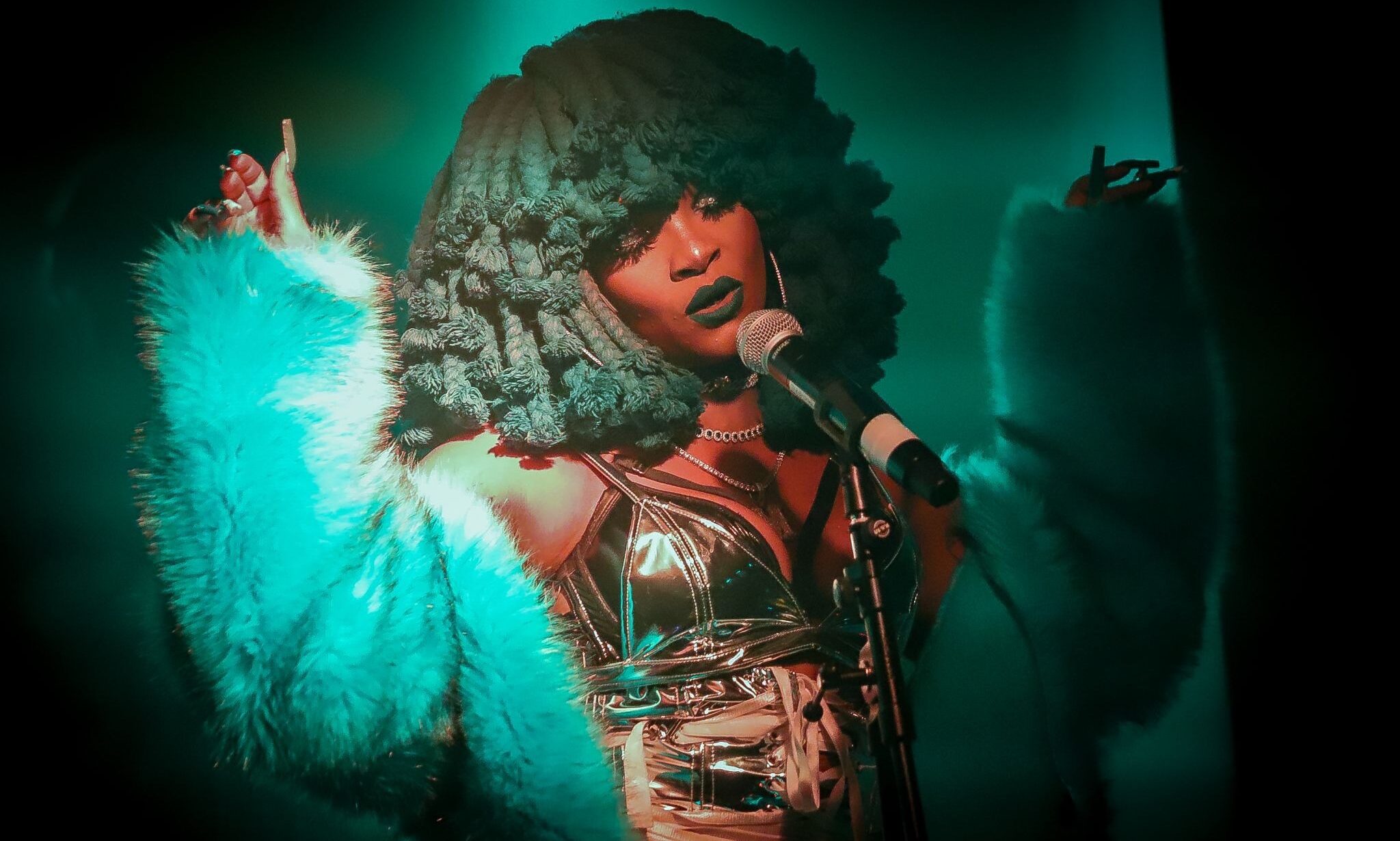
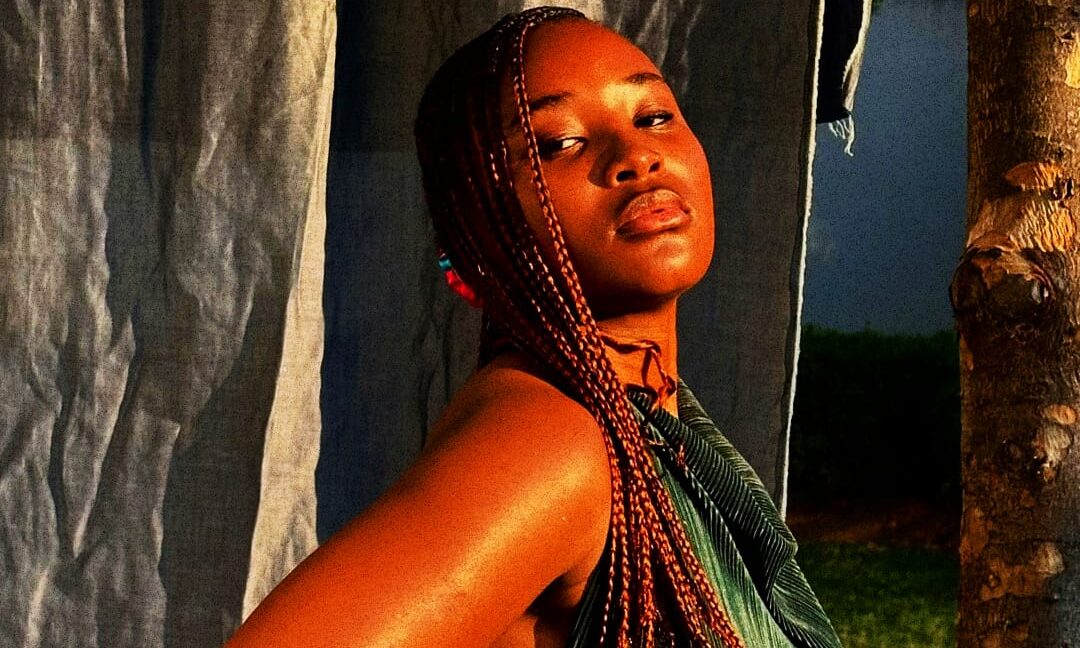
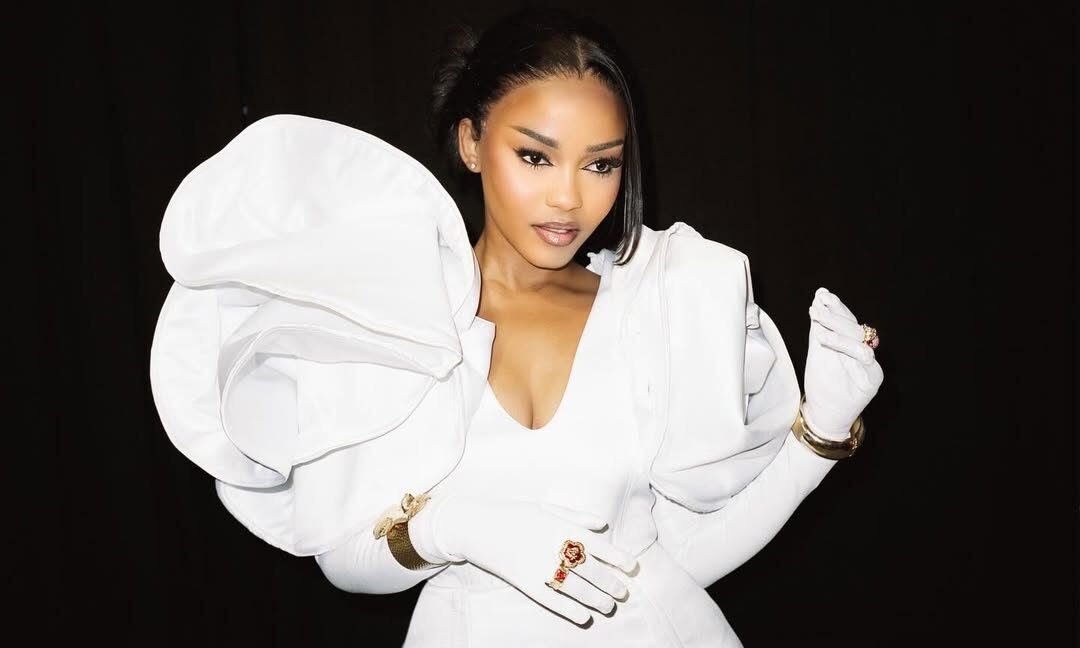
















































Jackie B. Ofori‑Attah, better known by her stage name Pillz, is emerging as one of Liberia’s most socially conscious urban artists. Born on 8 September 1996 on Bushrod Island in Monrovia, Pillz carries a cross‑cultural heritage, with a Liberian mother and Ghanaian father, which has shaped both her identity and her music.
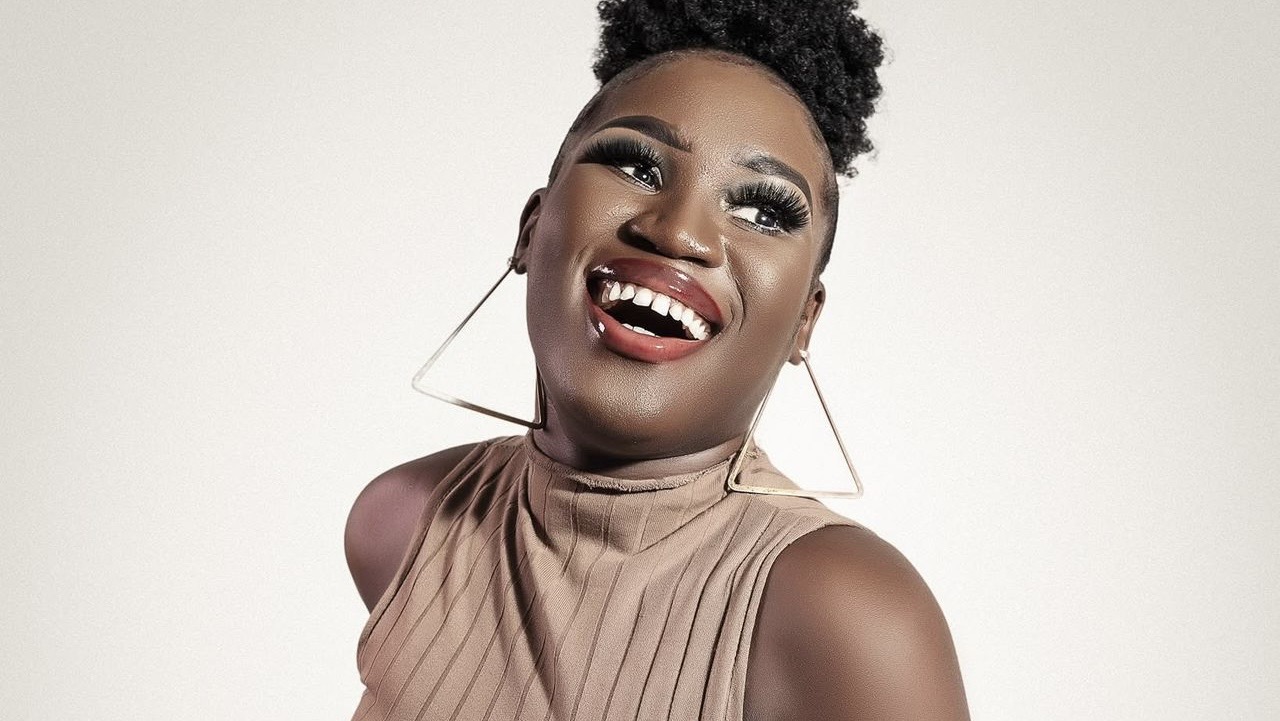
Pillz blends hip‑hop, afropop, reggae, and dancehall, creating a sound that is both rhythmically vibrant and thematically rich. She entered Liberia’s urban music scene in the mid‑2010s, amid a new generation of artists seeking to redefine contemporary sounds. Early releases such as ‘HBD Mama LIB’, ‘Pillz Pon The Replay’, ‘Pillz Diva’ and ‘Zogo’ established her as a rising figure in the Liberian music industry.
What distinguishes Pillz from many of her contemporaries is her focus on social commentary. Rather than producing solely club-ready tracks, her music frequently addresses issues of marginalisation and inequality, particularly among Liberia’s urban underclass. Her song ‘Zogo’ references zogos, a term used locally for disadvantaged street youth, and calls for more humane approaches to their rehabilitation rather than punishment. This socially conscious approach brought her work to international attention, including coverage on the BBC World Service, where her music contributed to broader discussions on Liberia’s marginalised youth.
Throughout her career, Pillz has collaborated with several local artists, including Royal Debusta Pain, PCK, Tamba Hali, Faithvonic and Micboi. Her contributions have been recognised in local award circuits: she has been nominated multiple times for Female Artist of the Year at the TunesLiberia Music Awards and won reggae/dancehall Artist of the Year at the 2019 Liberia Music Awards.
By weaving urban narratives with rhythmic styles rooted in African diasporic music, Pillz has carved a space in Liberian culture where entertainment and social commentary intersect. Her work exemplifies how artists from post‑war contexts can use music not only to entertain but also to question societal norms and highlight the struggles of those often left at the margins.


Most popular

Top Naija songs of 2026
31 Mar 2026

Top Afrobeats songs of 2026
19 Mar 2026

Top amapiano songs of 2026
16 Feb 2026
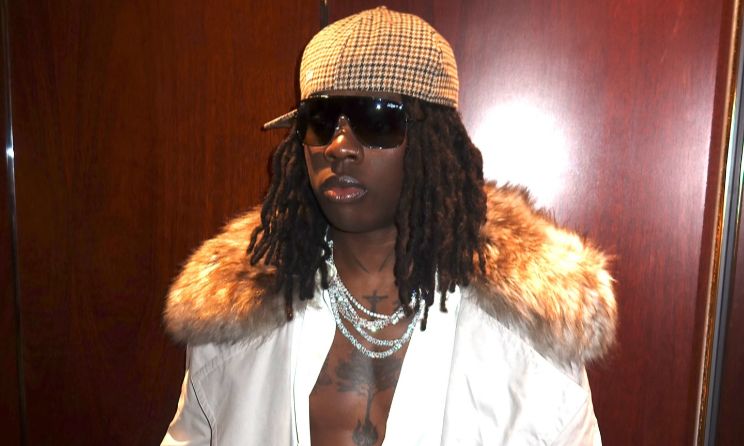
AFRIMA 2026: All the winners
12 Jan 2026
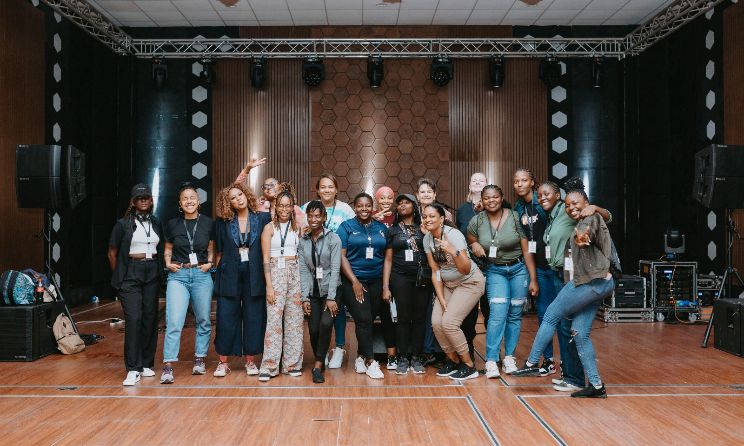
Open call: 2026 Gender@Work music industry training in Johannesburg
03 Oct 2026
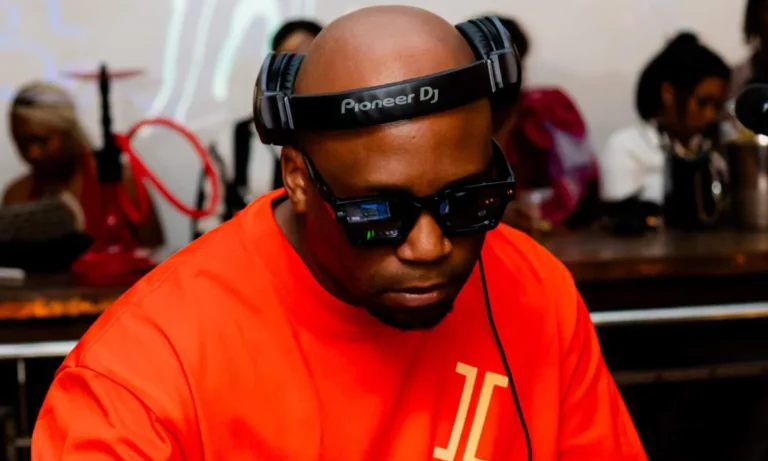
NAAK and Vumaala to take SA electronic sounds to Amsterdam
02 Oct 2026
Disclaimer: Music In Africa provides a platform for musicians and contributors to embed music and videos solely for promotional purposes. If any track or video embedded on this platform violates any copyrights please inform us immediately and we will take it down. Please read our Terms of Use for more.

Subscribe to our monthly Newsletter
Follow us on social media


Please log in to post a comment.