





















12 May 2026

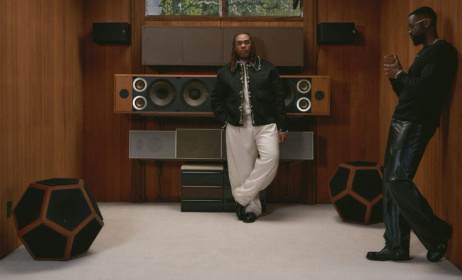
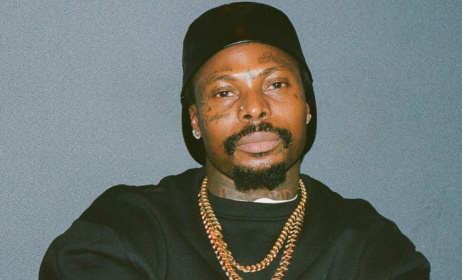
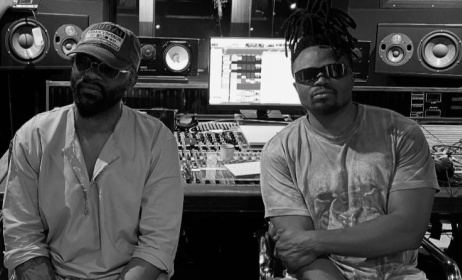
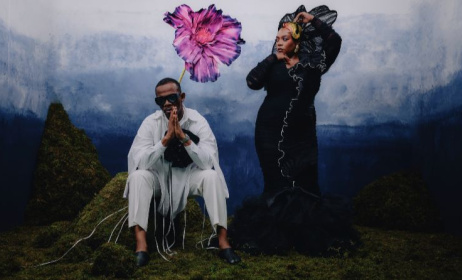
Nigerian artists BNXN and Sarz have released a joint EP titled The Game Needs Us through EMPIRE.

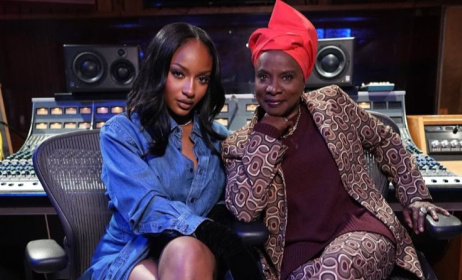
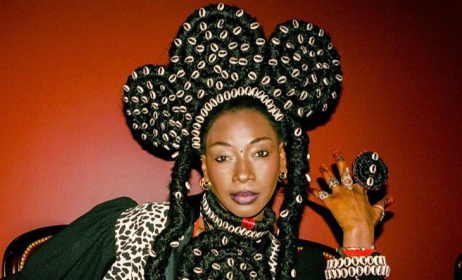
Following the release of her funk-driven single ‘Djanne’, Malian artist Fatoumata Diawara returns with Massa, a 12-track album that balances rhythmic energy with themes of loss, displacement and collective healing. Released on 5 June 2026, the project stands as one of her most thematically focused works to date.
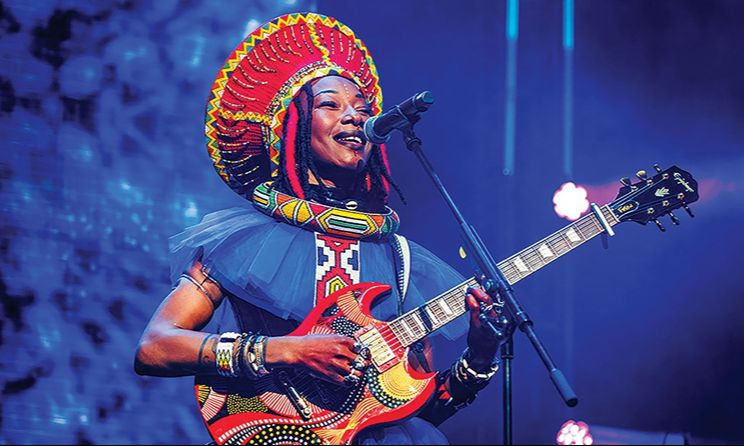
At its core, ‘Massa’ reflects on the displacement of communities in northern Mali during the 1970s and 1980s, using this historical backdrop as a starting point for broader reflections on endurance and recovery. Rather than dwelling solely on trauma, Diawara shifts towards emotional restoration and shared resilience. This is captured in Denko, where the refrain “Don’t cry brother… don’t cry sister” carries a quiet insistence on perseverance.
The album moves between genres with ease, blending funk, folk, reggae and traditional West African influences. Lahidou (translated as “The Promise”) is one of the more restrained moments on the record, stepping away from groove-heavy production to adopt a more acoustic, folk-led approach. It leans into themes of spiritual grounding and the search for guidance through difficult circumstances.
Despite its weighty subject matter, Diawara’s vocal delivery remains central to the album’s sense of direction. Her voice functions as an anchoring presence, offering warmth and clarity even when the production turns introspective. The title track, ‘Massa’ – meaning “strength” or “endurance” – embodies this balance, pairing reggae-tinged guitar lines with an uplifting melodic structure that suggests movement through hardship rather than escape from it.
The accompanying music video for ‘Massa’ reinforces these ideas, showing Diawara in white clothing set against natural landscapes. The visual tone leans towards stillness and renewal, aligning with the song’s focus on acceptance, healing and inner strength.
Structurally, the album unfolds in two broad emotional phases. Its opening section is more rhythmically driven, shaped by upbeat arrangements and accessible melodies. As the record progresses, however, it shifts into a more reflective space, with stripped-back instrumentation allowing room for quieter, more contemplative writing.
Across the project, production and songwriting are tightly interwoven, with contributions from Mateu Chedid, Joseph Chedid and Olivier Lude helping to maintain cohesion despite the album’s stylistic range. Rather than feeling fragmented, Massa moves with a deliberate flow, each track feeding into the next.
Ultimately, Massa is less a conventional collection of songs than a sustained meditation on endurance. Its exploration of displacement and survival resonates beyond its immediate cultural context, while reinforcing Diawara’s reputation as an artist capable of merging political awareness with emotional depth and musical fluidity.
Track: Massa
Album: Massa
Artist: Fatoumata Diawara
Year: 2026
Sponsored
Take this space






Comments
Log in or register to post comments