








25 May 2026

By Sipho Ndlovu, Lucky Mqoboli and Mndeni Mahlangu Nigerian artist CKay has released a new single...

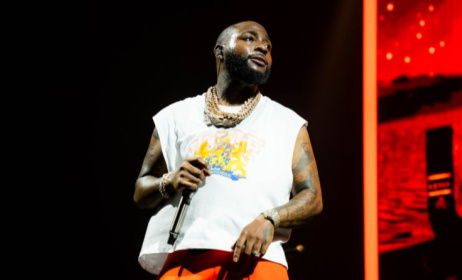
On 12 November 2025, Burna Boy’s debut performance at Red Rocks Amphitheatre in Denver was expected to open his North American No Sign of Weakness tour on a high note. Instead, a brief moment during the set generated a wave of online reaction that would come to define the opening stretch of the run.

Footage that began circulating on 13 November shows the artist pausing mid-performance, pointing towards a couple in the front row and instructing security to remove them after appearing to interpret the woman’s posture as disinterest or sleep. His remarks, delivered in frustration, were captured on video and rapidly shared across TikTok, X and Instagram.
Within hours, the clip had triggered widespread discussion. Some viewers defended an artist’s right to control the atmosphere at their own show, while others criticised the exchange as unnecessarily harsh and humiliating. Further online commentary suggested that the woman involved had been dealing with a personal loss, adding another layer to the backlash. The incident was soon joined by additional clips from Burna Boy’s live streams, including a line frequently reposted as: “Did I ask you all to be my fans? I’m only looking for fans with money these days.”
Although the original context of the remark remains debated, its circulation reinforced a growing narrative of perceived detachment from ordinary fans.
In the days that followed, event listings for scheduled US dates in Minneapolis (28 November) and Chicago (1 December) were updated to indicate cancellation, with ticket holders advised to seek refunds via official platforms. Promoters and venues did not publicly link the changes to the Red Rocks incident, and Burna Boy’s team has not issued a detailed statement on the specific reasons.
Images and video from some subsequent shows suggested reduced attendance in comparison to the large crowds that have characterised Burna Boy’s recent international tours. Independent trackers of ticket availability also indicated softer demand for parts of the US leg. In the live music industry, even a minor dip can alter venue confidence, affect promotion decisions and reshape routing strategies.
Burna Boy later addressed the situation in a series of posts and a live broadcast, describing his comments as a “slip of the tongue” and acknowledging the impact on ticket sales and public perception. He also referred to personal struggles, including pressures related to mental wellbeing. Reaction to the apology was mixed, with some fans welcoming the reflection and others remaining sceptical.
Music journalist Joey Akan, who has previously commented on the matter, observed that an artist’s relationship with fans is integral to touring success. When trust is compromised, even briefly, the effects are felt quickly in consumer behaviour and industry confidence. In this sense, the response to Burna Boy’s moment on stage has become a case study in how quickly reputation and revenue can intersect.
Such situations are not without precedent. Other global performers have experienced tour disruption following controversial public moments, illustrating how the modern touring environment reacts to perceived instability. In an industry increasingly shaped by viral narratives, reputation can shift faster than formal statements can correct.
For African artists performing on global stages, the scrutiny can be even more complex. Beyond commercial expectations, they are often viewed through a cultural and representational lens. As a result, moments of misjudgement risk expanding beyond the individual, feeding broader conversation about visibility, responsibility and image.
As Burna Boy looks ahead, rebuilding momentum will likely require consistent, careful engagement, with venues, promoters and audiences alike. In a touring landscape where connection is currency, authenticity may ultimately be his strongest path forward.
Sponsored
Take this space




Comments
Log in or register to post comments