
















































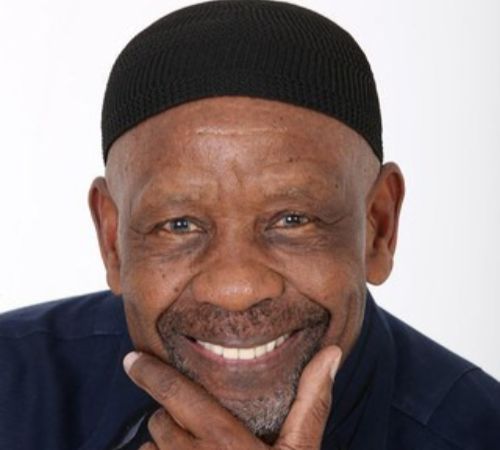
Caiphus Semenya
Solo artists
Profile added by Sisi Nkabinde on 04 Dec 2025

Johannesburg, South Africa
1958
Caiphus Semenya
BIO
Caiphus Semenya’s influence stretches across continents, decades and genres, making him one of South Africa’s most enduring musical exports. Born on 19 August 1939 in Alexandra, Semenya left the country for Los Angeles in the 1960s with his wife, singer Letta Mbulu, and quickly became a key creative force in the global music scene.
In the US, he collaborated with major figures including Hugh Masekela, Jonas Gwangwa, Miriam Makeba, Nina Simone, Cannonball Adderley, Lou Rawls and Hotep Galeta. His ability to fuse African rhythms with soul and jazz made him a sought-after arranger, leading to standout contributions such as the Swahili chant that opens Michael Jackson’s song, “Liberian Girl”, on the Bad album.
Semenya’s work extended into film and television, earning him recognition as part of the composing team nominated for an Academy Award for the score of The Color Purple in 1986. His achievements were later honoured back home with accolades including the ACT Lifetime Achievement Award for Music and a South African Afro Music Award.
Across his own recording career, Semenya released defining works such as Streams Today… Rivers Tomorrow, the soulful Listen to the Wind, and later offerings like Woman Got a Right to Be and the retrospective The Very Best of Caiphus Semenya. His earlier collaboration with Quincy Jones on the 1977 album Roots further showcased his versatility as both composer and arranger.
Today, Semenya’s legacy continues to shape new generations, with contemporary stars like DJ Maphorisa and Kabza De Small openly paying tribute to the musical foundation he helped build for South African artists on the global stage.
Photos
No photos available
Music
Videos

Dial Your Number

Nomalanga

Aida

Play With Fire
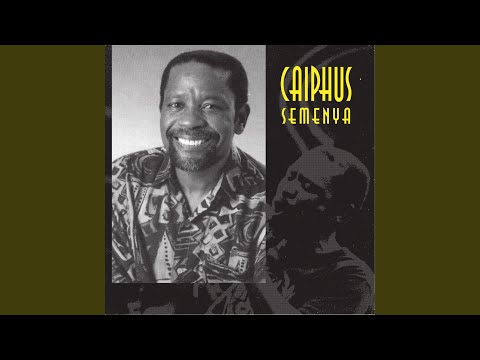
Moshanyana

Ziph'inkomo

Angelina

Ndi-phendule

Matswale
Mamase
Nomalanga (Live at Carnival City)

Angelina (Live at Carnival City)

Angelina (Live at Carnival City)

Matswale (Live at Carnival City)

Ziph' Inkomo (Live at Carnival City)
Social Networks and Websites
Disclaimer: Music In Africa provides a platform for musicians and contributors to embed music and videos solely for promotional purposes. If any track or video embedded on this platform violates any copyrights please inform us immediately and we will take it down. Please read our Terms of Use for more.



