Brothers of Peace (BOP)
Bio
Brothers of Peace: When Kwaito Became the Language of Survival
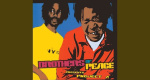
Brothers of Peace, widely known as B.O.P, emerged in the early ’90s as one of South Africa’s most influential kwaito acts. Their music carried the pulse of township youth culture—catchy, confrontational and rooted in real social experience. From the street-slang chant “O kae molao?” (“Where’s the respect?”) to their hip-hop-inspired aesthetic, B.O.P became a voice for young people navigating daily pressures and challenges.
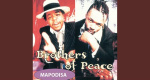
Formed in 1993 as a project by Don Laka, Oscar “Wa Batho” Mdlongwa and Christos, the group evolved into a duo by 1994, led by Oscar Mdlongwa and Bruce “Dope” Sebitlo. Their debut album Traffic Cop sold more than 50,000 copies, cementing their arrival on the kwaito landscape. In 1996 they followed up with King of Kwaito Uyagawula, featuring Dr Mageu—an album that went double platinum and elevated their influence. Two years later, they returned with Mapodisa-SBV, featuring the rap collective Bafitlhile and expanding their sound once again.
B.O.P built their identity on honesty and attitude. Their lyrics tackled community concerns with clarity, pushing messages about respect and resilience without glorifying danger or hardship. Their music became a blueprint for how young people expressed themselves, survived their environments, and shaped culture.
Behind the beats, Oscar and Bruce grew into two of South Africa’s most respected producers, shaping the sound of acts such as Boom Shaka, Bongo Maffin, Trompies, Thebe, Alaska and Chakaroski.
Brothers of Peace weren’t just a group—they helped define an era where kwaito became a language of identity, resistance and survival.
Videos





















 Johannesburg, South Africa

Sponsored
Take this space