Prophets of Da City
Bio
Prophets of Da City: Cape Town’s Hip Hop Pioneers
In 1988, Shaheen Ariefdien and DJ Ready D began experimenting in a small 8-track home studio in Cape Town. The result was Our World (1990), widely regarded as South Africa’s first hip hop album. Tracks like "Dala Flat," the first Cape slang rap song, alongside socially conscious anthems such as "Stop the Violence" and "Roots," immediately positioned Prophets of Da City, or POC, as the voice of township youth navigating life under apartheid.
POC’s work has always combined music and activism. From anti-drug campaigns to voter education tours reaching tens of thousands of students, the group consistently used hip hop as a tool for social engagement. Their follow-up, Boom Style (1991), intensified their political commentary with "Ons Stem," a pointed response to the apartheid anthem, and the censored "Kicking Non Stop," which challenged political authority with bold imagery.
Age of Truth (1993) cemented POC’s reputation as South Africa’s first hip hop classic. Influenced by Public Enemy and Ice Cube, the album tackled poverty, township struggles, and empowerment. "Understand Where I’m Coming From" appeared internationally on the Tommy Boy Planet Rap compilation, while the group’s activism reached its peak with "Excellent, finally black President" at Nelson Mandela’s 1994 inauguration.
POC performed globally, sharing stages with James Brown, Public Enemy, The Fugees, and Quincy Jones. Their sound fuses US hip hop, reggae, and African rhythms, remaining distinctly Cape Town. Decades later, POC’s legacy endures: the 2006 documentary Lost Prophets captured their influence, and in 2015 they celebrated 25 years since Our World. Their music remains a testament to hip hop as a tool for empowerment, education, and cultural identity.
POC’s Essential Tracks:
"Dala Flat"; "Stop the Violence"; "Roots"; "Ons Stem"; "Understand Where I’m Coming From"; "Excellent, finally black President"
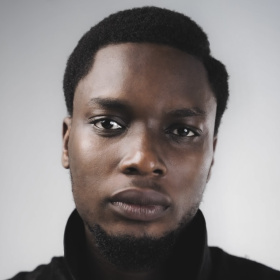
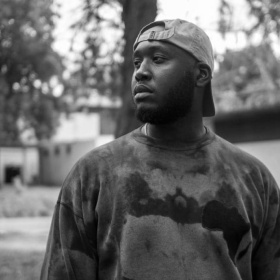
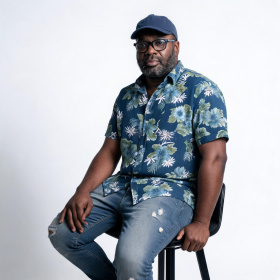
Photo by @prophetsofdacity instagram
Videos










 Johannesburg, South Africa

Sponsored
Take this space