






















21 May 2026

Spotify and Universal Music Group (UMG) have announced new licensing agreements that will allow...

Spotify has expanded its verification system to podcasts as the platform seeks to address growing concerns over authenticity and the increasing volume of AI-generated content appearing on digital streaming platforms (DSPs).
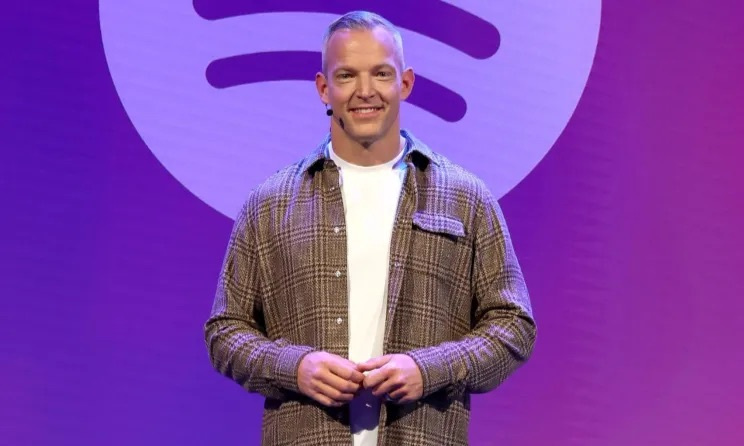
The streaming service announced the launch of “Verified by Spotify” for podcasts, several weeks after introducing a similar verification feature for artist pages. The move comes as music and podcast platforms face criticism over the spread of low-quality AI-generated content and concerns around fraudulent activity.
Under the new system, podcasts that meet Spotify’s review criteria will receive a green verification badge. Initially, the feature will apply to a limited number of programmes before being introduced more widely over the coming months.
Spotify said verification would be granted to shows it can “confidently authenticate”, based on factors including audience engagement, compliance with platform policies, and indicators of authentic listenership.
The company said the review process would assess “sustained listener activity” and “audience authenticity, including safeguards against fraudulent or bot-driven listenership.”
Alongside the verification expansion, Spotify has also updated its podcast rules to prohibit unauthorised AI-generated impersonations.
“Spotify will remove podcast shows and content that impersonate another creator or host’s likeness without permission, whether that’s using AI voice cloning or any other method,” the company said.
The move follows wider debate across the streaming industry over AI-generated material and its effect on creators and platform integrity. Music and podcast services have faced scrutiny over moderation practices as automated tools increasingly make it easier to generate and upload content at scale.
Spotify has previously faced criticism over content moderation issues on its platform. In recent years, users have highlighted the presence of misleading or questionable uploads, including content unrelated to podcasting but categorised as podcasts.
The introduction of verification measures may help users distinguish between established content and potentially misleading uploads. However, questions remain about how Spotify will apply its authenticity standards and whether the measures will substantially reduce AI-generated or fraudulent material.
The development also comes as streaming platforms continue to invest in AI tools while attempting to balance innovation with concerns around misuse and content quality.
Industry concerns over AI-generated content extend beyond Spotify. Music streaming service Deezer has previously said that the majority of streams for machine-generated tracks appear to be fraudulent, highlighting broader concerns about the role of AI in digital music ecosystems.
Spotify has not provided further details on how its verification standards will operate in practice or whether AI-generated content created through authorised tools would be treated differently under the system.
Sponsored
Take this space









Comments
Log in or register to post comments