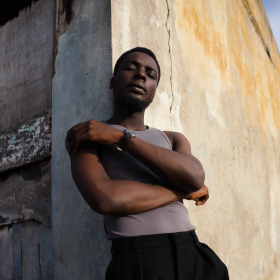
Gnonnas Pedro
Bio
Gnonnas Pedro, born Gnonnan Sossou Pierre Kouassivi on 10 January 1943 in Cotonou, Benin, is regarded as one of the most influential musicians in Benin’s history and a key figure in West African popular music during the latter half of the 20th century. His career spanned four decades, during which he became a pioneer in blending traditional Beninese rhythms, particularly agbadja, with highlife, juju, and Afro-Cuban musical influences. Pedro’s work not only modernized the music of Benin but also helped bring its sounds to international audiences.
Raised in the town of Lokossa, Pedro was exposed from an early age to Benin’s rich musical traditions. He absorbed rhythms from the Fon, Mina, and Yoruba peoples, learning the intricacies of percussion and dance associated with local ceremonies. In his teens, he began performing in local dance halls and clubs, quickly gaining attention for his commanding stage presence, vocal versatility, and skill in uniting multiple musical styles. By the 1960s, Pedro had formed his first significant ensemble, Pedro y Sus Panchos, which fused traditional Beninese music with Latin and Afro-Cuban rhythms that were gaining popularity across West Africa at the time. This early experimentation laid the foundation for what would become his signature modernized agbadja style.
Later, Pedro reorganized his band under the name Gnonnas Pedro and His Dadjes Band, continuing to refine his musical approach. He distinguished himself by singing in multiple languages, including Mina, Adja, Yoruba, French, English, and Spanish, which allowed him to reach diverse audiences throughout West Africa and beyond. His recordings from this period include songs that became enduring classics, with “Feso Jaiye” being widely celebrated after its performance at the 2nd All-Africa Games in 1973. Pedro’s arrangements often incorporated electric guitars, brass instruments, and modern percussion, making traditional Beninese rhythms accessible to contemporary listeners without diluting their cultural essence.
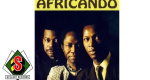
Pedro’s career gained additional prominence through his collaborations with Orchestre Poly-Rythmo de Cotonou, one of Benin’s most important funk and Afrobeat bands. While he led his own ensembles, his work with Poly-Rythmo further popularized his music and introduced his style to broader regional audiences. In the 1990s, Pedro reached an international stage when he became the lead singer of Africando, a pan-African and Afro-Latin ensemble that combined African vocal traditions with salsa rhythms. With Africando, Pedro recorded multiple albums including Gombo Salsa (1996), Baloba (1998), and Mandali (2000), which showcased his ability to navigate complex cross-cultural musical collaborations and introduced West African rhythms to European and American audiences.
Throughout his life, Pedro maintained a strong commitment to performance. His live shows were noted for their energy, precision, and ability to bridge traditional and modern forms. He was equally adept at singing, dancing, and playing percussion instruments, making him a complete performer and cultural ambassador for Benin. Despite being diagnosed with prostate cancer later in life, Pedro continued to record and perform until his passing on 12 August 2004 in Cotonou at the age of 61.
Pedro’s musical legacy remains influential in Benin and across West Africa. His innovative...
Videos































































































































































































































































































































































































 South Africa

Sponsored
Take this space