


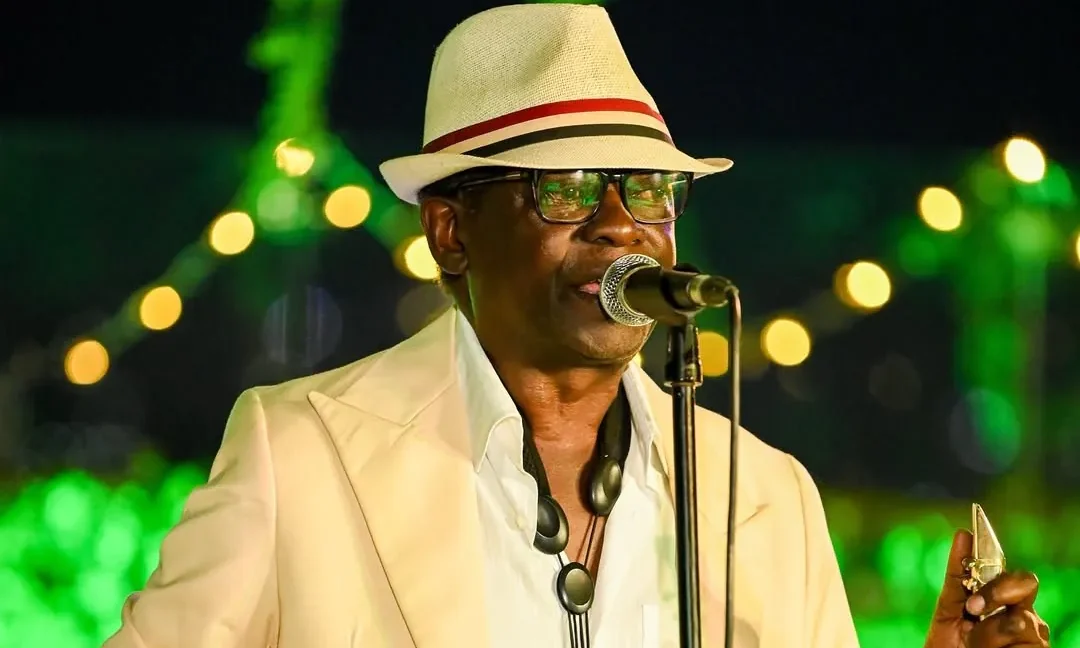


















































Zimbabwean sungura musician Nicholas Zakaria has died aged 69, his family has confirmed.
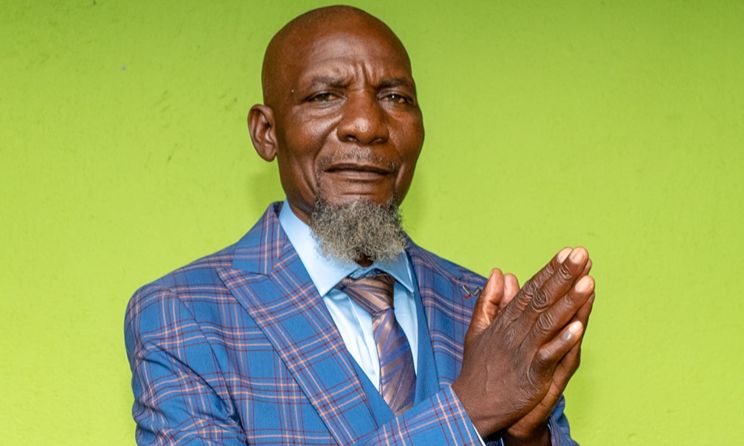
In a statement released on his official Facebook page, the family said: “It is with profound sadness that we announce the passing of Nicholas Zakaria, the talented musician and beloved member of our community. Nicholas left an indelible mark on the music world with his inspiring voice and dedication to his craft. His legacy will live on through his music, and he will be deeply missed by fans and loved ones. Details regarding a memorial service will be shared in due course. Rest in peace, senior lecturer.”
Details about the cause of death were not immediately available, though the artist was admitted to hospital last year after being diagnosed with diabetes.
Zakaria, widely regarded as one of the foundational figures of sungura, leaves behind a career spanning nearly five decades. Born in 1956 at Belgownie Estate in Mazowe, he began playing guitar in secret after leaving school in Grade Seven. “My father…later recognised my passion for music and allowed me to continue playing,” he once recalled in a local media interview.
Born in 1957 at Belgownie Estates in Mazowe, Zakaria, popularly known as Madzibaba, grew up on farms, an environment he later said inspired his early interest in music. His father played a box guitar at social gatherings, and by the age of ten he could already play the instrument, though his parents initially discouraged him.
His professional journey began in the mid-1970s with The Green Mangoes, which he formed at the age of 18 alongside the late Robson Kaitano. Zakaria later left the group to work as a storekeeper before forming another outfit, the Vhuka Boys, in 1980 with the support of Shepherd Chinyani. Although the group recorded several singles, their music struggled to compete with leading acts of the time, including John Chibadura, Thomas Mapfumo and the Bundu Boys.
Zakaria moved to Harare in 1984, where he co-founded the Khiama Boys, the band that would become central to his legacy. The group included Cephas Karushanga, Levison Chakanyuka, Tineyi Chikupo, Alick Macheso , System Tazvida and Zakaria's wife, Margaret Gweshe. The Khiama Boys produced numerous albums and emerged as key competitors to major artists such as Leonard Dembo, James Chimombe and Marshall Munhumumwe. Zakaria went on to release more than 26 albums, with notable songs including 'Kubva Kure', 'Mabvi Nemagokora', 'Shamiso' and 'Mabhauwa'.
Zakaria briefly stepped away from music in the late 1990s to work as a haulage truck driver, returning in 2003 to release a series of albums. His wider catalog includes tracks such as 'Mazano' and 'Ida Anokuda'.
He often emphasised the importance of discipline in sustaining a musical career. “In order to be successful in the music industry, discipline and faith are essential,” he said. Known for his modest lifestyle and calm temperament, he repeatedly stated that he would remain devoted to music “till death do us apart”.
Although his contributions to Zimbabwean music were widely recognised, Zakaria felt underappreciated at times. His influence, however, remained significant, with various industry supporters recognising his legacy, including businesspeople who gifted him vehicles in recent years.
Zakaria's spiritual journey saw him pass through several religious traditions, though the nickname “Madzibaba” remained closely associated with his public image regardless of where he worshipped.
Tributes have begun to pour in from across the country's creative community. Veteran journalist Robert Mukondiwa wrote on Facebook: “ Bob Nyabinde the headmaster left the college. And now the senior lecturer, after holding fort for so long shall not grace the lecture theatre today; nor any other for that matter. The students and pupils are without direction as we lose those who teach us the craft.
“They are delinquent. And forlorn. We may mourn the future. Or we may take the moment to celebrate a life of stewarding some of the greatest sons and daughters in music by this man's graceful hands. Hang your guitar on the studio door and go well Nicholas Zakaria. Stand before your God because as you said yourself in 'Zviri Mudzimba', ultimately 'Ambuye Mulungu'.”
He is remembered as a pioneer, mentor and guardian of sungura, with a lasting impact on generations of Zimbabwean musicians.


Most popular

Top Naija songs of 2026
31 Mar 2026

Visa appoints Fally Ipupa as face of Visa Pay in Democratic Republic of Congo
23 Sep 2026

Top Afrobeats songs of 2026
19 Mar 2026

Top amapiano songs of 2026
16 Feb 2026
AFRIMA 2026: All the winners
12 Jan 2026
JOJ brings generations of African music together in Joburg
29 Sep 2026
Disclaimer: Music In Africa provides a platform for musicians and contributors to embed music and videos solely for promotional purposes. If any track or video embedded on this platform violates any copyrights please inform us immediately and we will take it down. Please read our Terms of Use for more.

Subscribe to our monthly Newsletter
Follow us on social media


Please log in to post a comment.