















22 avr 2026
L’essor de l’intelligence artificielle dans la musique franchit un nouveau cap. La plateforme...

AI music generator Suno has reached two million paid subscribers and $300 million in annual recurring revenue (ARR), according to its chief executive and co-founder Mikey Shulman.
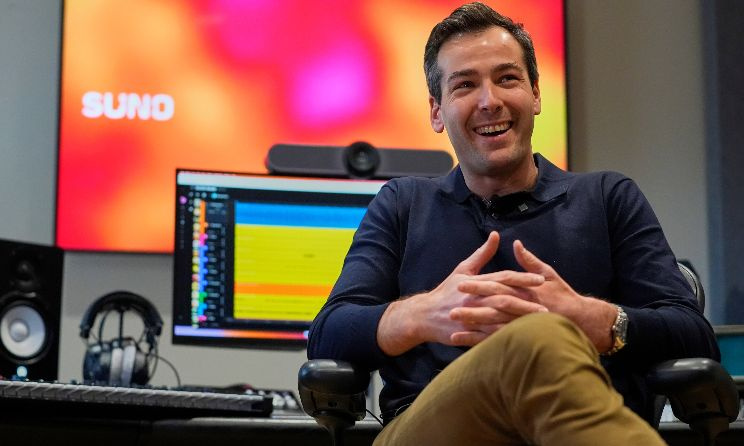
Shulman disclosed the figures in a LinkedIn post on 25 February, two years after the platform’s launch. He added that more than 100 million people have used the service to date.
“We launched Suno two years ago to let the world feel the joy of making music,” Shulman wrote. “Since then, over 100 million people all over the world have used Suno, from music lovers to Grammy winners.”
The reported $300 million ARR marks an increase from the $200 million annual revenue figure cited by The Wall Street Journal in November, when Suno closed a $250 million Series C funding round at a $2.45 billion post-money valuation.
Legal and industry tensions
The announcement comes amid continued legal and reputational challenges for the company.
Earlier this week, a coalition of artist representatives published an open letter titled Say No to Suno, describing the platform as a “brazen smash and grab” and accusing it of using “unauthorised AI platform machinery trained on human artists’ work”.
Signatories included Ron Gubitz of the Music Artist Coalition, Helienne Lindvall of the European Composer and Songwriter Alliance, and Chris Castle of the Artist Rights Institute.
Suno is also facing copyright infringement lawsuits from major record companies and European music rights bodies. In mid-2024, the Recording Industry Association of America (RIAA) filed suit against Suno and rival Udio on behalf of the three major labels, alleging “mass infringement” of copyright.
Udio has since reached settlements with Universal Music Group and Warner Music Group, signing licensing agreements for a new AI music platform expected to launch this year. Warner Music Group settled with Suno in November. However, Suno remains in litigation with Universal Music Group and Sony Music Entertainment, as well as European collecting societies including Koda in Denmark and GEMA in Germany.
Debate has also continued around so-called “walled garden” AI music models. The open letter criticised Suno’s CEO, Paul Sinclair, for opposing closed-platform licensing approaches adopted in some label agreements. When Warner Music Group settled with Suno, users retained the ability to create and download songs, in contrast to restrictions contained in agreements between the major labels and Udio.
Industry hires and positioning
Despite the disputes, Suno has made several senior hires from the music industry. This week it appointed former Merlin chief executive Jeremy Sirota as chief commercial officer. Paul Sinclair, a former Warner Music Group executive, joined as chief music officer in July 2025, while former Spotify executive Sam Berger was recently appointed senior director of Artist Partnerships.
In his LinkedIn post, Shulman positioned Suno as a creative tool rather than a passive listening service.
“Endless scrolling and passive consumption have flattened culture and reduced people’s taste to a homogeneous, lowest common denominator,” he wrote. “People yearn for more, and the future of consumer entertainment is creative.”
He added: “Suno lets everyone actively participate in music culture creation, bringing to life the music that’s inside millions of people. The future is creative entertainment.”
Sponsored
Take this space








Commentaires
s'identifier or register to post comments