














06 nov 2024

Universal Music Group (UMG), avec ses filiales UMG Recordings, Capitol Records, et ABKCO Music...

For many Zimbabweans, intellectual property (IP) is a term that often appears in legal documents, policy discussions or industry workshops. Yet IP is not an abstract concept reserved for lawyers and corporations. It is part of everyday life. Every song played on the radio, streamed online, performed at a concert or used in a social media video is connected to intellectual property rights.

As Zimbabwe’s music industry continues to adapt to digital technologies, streaming platforms and artificial intelligence, understanding intellectual property has become increasingly important for artists, businesses and audiences alike. At its core, intellectual property is about recognising creative work as a form of ownership. Just as people can own a house, a vehicle or a piece of land, creators can own the products of their minds, including songs, lyrics, recordings and artistic performances.
What IP in music?
In simple terms, intellectual property refers to legal rights that protect creations of the mind. Within the music industry, the most common form of IP is copyright.
Copyright gives creators certain exclusive rights over their work. These rights allow musicians, composers, producers and publishers to control how their music is used and to earn income when others use it.
A Zimbabwean musician who writes a song automatically owns the copyright to that composition once it is created and fixed in a tangible form. If the song is recorded, another copyright may exist in the sound recording itself. This means a single song can contain multiple rights belonging to different people.
For example, a songwriter may own the lyrics and melody while a record label owns the master recording. A producer may also have rights relating to the production of the track.
This is why music ownership is often more complex than many people realise.
IP exists in everyday Zimbabwean life
Many Zimbabweans encounter intellectual property daily without recognising it. When a commuter omnibus plays popular songs during a journey from Mbare to the city centre, IP is involved. When a restaurant uses background music to create an atmosphere for customers, copyright is involved. When a radio station broadcasts a local hit or a wedding DJ plays chart-topping songs, intellectual property rights are being exercised.
Even social media activity can involve IP. A content creator who uses a song on TikTok, Instagram or Facebook is engaging with copyrighted material. While platforms often secure licences for certain uses, creators and users still operate within a broader intellectual property framework.
In many cases, audiences simply consume music without thinking about the systems that allow artists to receive recognition and payment. Yet without intellectual property protections, musicians would have fewer opportunities to generate income from their work.
Copyright and the Zimbabwean music industry
Zimbabwe’s music industry relies heavily on copyright as the foundation of its economic activity. Artists such as Alick Macheso, Jah Prayzah, Winky D and Nutty O invest considerable time, creativity and financial resources into producing music. Copyright provides a mechanism through which they can benefit from that investment.
When broadcasters, event organisers or digital platforms use their music, royalties may be generated. These royalties are intended to compensate creators for the use of their intellectual property.
In Zimbabwe, organisations such as Zimbabwe Music Rights Association (ZIMURA) play an important role in administering certain rights on behalf of musicians and composers. Through licensing and royalty collection, collective management organisations help creators receive payment when their works are publicly performed or broadcast. Although royalty systems continue to face challenges, they remain an important pillar of the music economy.
The difference between owning a song and owning a recording
One of the most misunderstood aspects of music IP is the distinction between musical works and sound recordings. Imagine a Zimbabwean songwriter creates a song and another artist records it. The songwriter may own the composition, while the recording artist or record label owns the master recording.
This distinction becomes important when music generates revenue.
For example, if a song is played on radio, different rights holders may receive compensation depending on the licensing arrangements. If the song is later synchronised in a film, advertisement or television programme, additional permissions may be required.
Understanding these ownership structures is increasingly important as Zimbabwean artists pursue international opportunities and digital distribution.
Digital streaming has changed the conversation
The rise of streaming platforms has transformed how intellectual property functions within the music business.
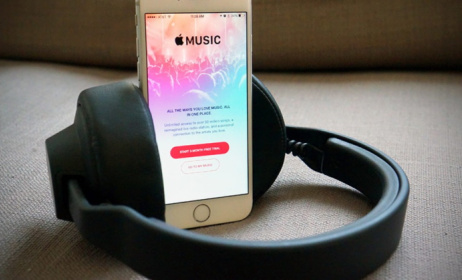
A decade ago, many Zimbabwean musicians relied heavily on physical sales, live performances and radio exposure. Today, platforms such as Spotify, Apple Music, YouTube Music and Boomplay have become central to music consumption.
Streaming has expanded global access to Zimbabwean music. An artist in Harare can now reach listeners in London, Johannesburg, Lagos and New York almost instantly.
However, this opportunity also places greater emphasis on rights management. Artists need accurate metadata, publishing information and ownership records to ensure that royalties are correctly distributed. Missing or incorrect information can result in lost income.
Many independent Zimbabwean musicians are increasingly learning that success in the digital age requires not only artistic talent but also a solid understanding of intellectual property administration.
Social media and music ownership
Social media has created both opportunities and challenges for intellectual property.
Platforms such as TikTok, Instagram and Facebook have become powerful tools for music promotion. Songs can gain national or even international attention through viral trends.
Yet viral success often raises questions about ownership and compensation. If a song becomes the soundtrack to thousands of videos, how is the creator compensated? If another user uploads copyrighted music without permission, who bears responsibility?
These questions illustrate how IP has become deeply intertwined with modern digital culture. For Zimbabwean artists, social media visibility can create valuable opportunities, but protecting ownership rights remains essential.
Artificial Intelligence is creating new IP debates
One of the most significant global music industry trends involves Artificial Intelligence (AI).
AI systems can now generate music, imitate voices and create songs that resemble the styles of existing artists. These developments have sparked major debates about copyright ownership, consent and compensation.
Globally, record companies, publishers and collecting societies are increasingly demanding greater transparency regarding how AI systems are trained.
The concerns are particularly relevant for African musicians because their recordings may potentially be included in datasets used to train AI models.
If an AI-generated song imitates a Zimbabwean artist’s vocal style or creative identity, questions arise about ownership, attribution and remuneration.
These discussions are no longer distant international issues. They are becoming increasingly relevant to Zimbabwe’s music sector as digital technologies continue to evolve.
Why IP education matters
One of the biggest challenges facing the Zimbabwean music industry is a lack of widespread intellectual property awareness.
Many artists still enter agreements without fully understanding ownership rights. Others fail to register works properly or overlook publishing opportunities that could generate long-term income.
Meanwhile, audiences often assume that music should be freely accessible without recognising the labour involved in its creation.
Improved IP education can help bridge these gaps. Artists who understand copyright are better positioned to negotiate contracts, protect their work and build sustainable careers. Audiences who understand intellectual property are more likely to support legitimate music consumption and recognise the value of creative labour.
The future of music and IP in Zimbabwe
As Zimbabwe’s music industry becomes increasingly digital, intellectual property will play an even greater role in shaping its future.
Streaming, social media, international collaborations, digital distribution and artificial intelligence all depend on clear systems of ownership and rights management. Musicians who understand these systems will be better equipped to navigate an increasingly complex marketplace.
Ultimately, IP is about more than legal protection. It is about recognising creativity as an economic and cultural asset. Every song begins with an idea, but without effective IP protections, that idea may struggle to generate lasting value for its creator.
For Zimbabwe’s musicians, producers and songwriters, understanding IP is no longer optional. It has become an essential part of participating in the modern music business.
Sponsored
Take this space






Commentaires
s'identifier or register to post comments