


MTN Bushfire 2025 boosts eSwatini economy by $7m, university study finds


A newly released Economic Impact Assessment by South Africa’s North-West University (NWU) has found that the MTN Bushfire 2025 festival generated E121.2 million (about $7 500 700) for eSwatini’s economy, highlighting the event’s significance beyond arts and culture.
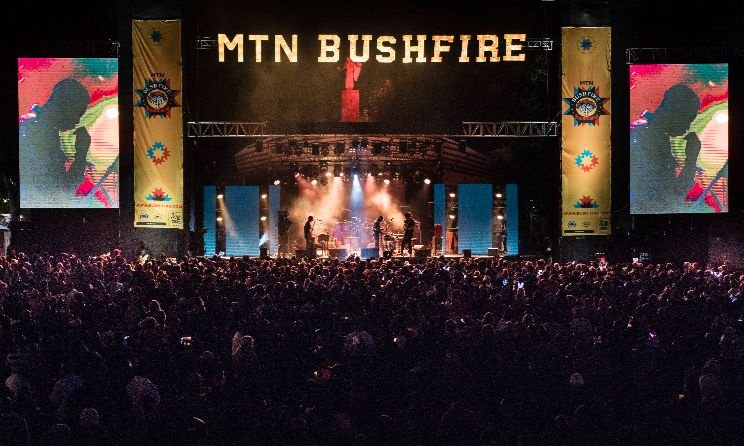 MTN Bushfire 2025 attracted over 23 000 attendees from more than 55 countries to the House On Fire venue in Malkerns Valley.
The independent study, described as one of the most comprehensive analyses of the festival’s economic footprint to date, measured impact through four key factors: visitor numbers, length of stay, spending, and the multiplier effect as money circulated through the economy.
MTN Bushfire 2025 attracted over 23 000 attendees from more than 55 countries to the House On Fire venue in Malkerns Valley. According to NWU data, over 25% of visitors stayed four nights or more, while approximately 36% travelled to other parts of the country during the festival period, benefiting accommodation providers, restaurants, transport operators, retailers, and informal traders.
Tourism emerged as the main driver of economic impact. The Ministry of Tourism & Environmental Affairs welcomed the findings, emphasising the festival’s role in positioning eSwatini as a high-value, culturally rich destination.
“The E121.2 million contribution underscores our focus on increasing international arrivals, extending length of stay, dispersing visitors across the country and ensuring that tourism growth translates into inclusive economic benefits for local communities, businesses and jobs,” said Minister Jane Mkhonta-Simelane. “MTN Bushfire strengthens eSwatini’s brand as a competitive, sustainable and culturally rich destination.”
The NWU findings align with a 2025 UNESCO report examining arts and cultural festivals across Southern Africa. The UNESCO study highlighted six areas of impact: artistic expression, community engagement, economic growth, cultural preservation, international exchange, and long-term resilience, all reflected in MTN Bushfire’s operations.
“For every US$1 invested in festival production, an additional $2.51 is generated through visitor spending, while one additional job is created in the local economy for every four direct festival jobs,” the report noted.
MTN Bushfire co-founding director Jiggs Thorne said the findings provide crucial evidence of the festival’s transformative effect.
“This dual validation from NWU and UNESCO is instrumental in quantifying the tangible impact that creative platforms have in supporting sustainable economic growth, advancing environmental stewardship, and encouraging social inclusivity,” he said. “It reinforces our #BRINGYOURFIRE call to action for positive social and environmental change.”
The report also highlighted the festival’s support for local businesses, with over 70% of the budget spent on suppliers across trade, accommodation, transport, communication, and manufacturing sectors. More than 2 300 jobs were estimated to depend directly or indirectly on the festival.
MTN eSwatini acting CEO Jerry Soko said: “MTN Bushfire’s E121.2 million contribution to Eswatini’s economy demonstrates the power of intentional partnerships in advancing meaningful socio-economic change. When connectivity, culture and purpose converge, the impact can be transformational.”
The findings underscore MTN Bushfire’s role as a strategic driver of economic growth, tourism, and cultural exchange, offering a model for how arts festivals can deliver measurable, sustainable benefits for local economies.
Articles populaires






Sponsored
Take this space





Commentaires
s'identifier or register to post comments