















07 avr 2025

Les artistes sud-africains vivent une ascension sans précédent, portée par des millions d’écoutes,...

A governance dispute at the Zimbabwe Music Rights Association (ZIMURA) has intensified, with rival board factions issuing conflicting statements and musicians demanding answers amid allegations of misconduct and financial mismanagement.
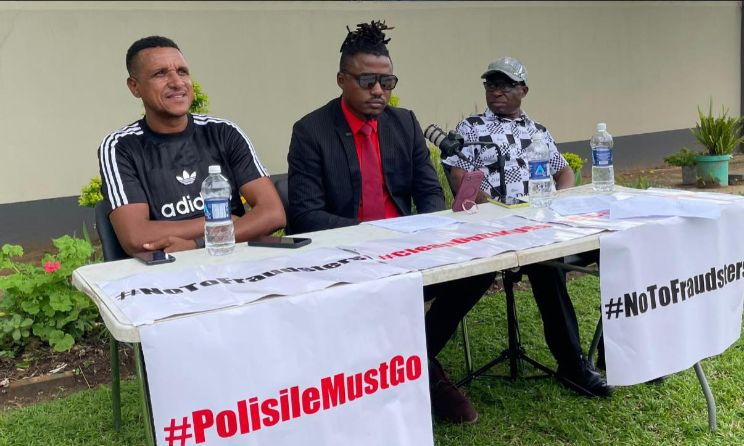
The latest developments follow controversy surrounding the disposal of ZIMURA property, which has triggered internal divisions and public exchanges between board members.
On 21 January, ZIMURA’s board announced the dismissal of three board members Dereck Mpofu, Joseph Garakara and Gift Amuli, citing what it described as “a series of grave breaches of fiduciary duties and conduct prejudicial to the interests of the Association”.
In a press statement, the board accused the trio of convening an unauthorised press conference on 19 January without board approval, in violation of ZIMURA’s corporate communication protocols.
A day earlier, on 20 January, the board had announced the appointment of Alexio Gwenzi as chairperson, with Farai Batani named vice-chairperson. The board said the appointments followed “a rigorous selection process conducted in strict accordance with the Memorandum and Articles of Association”.
“This appointment reflects the Board’s confidence in his capacity to spearhead a transformation,” the statement said, adding that the organisation remained committed to transparency and the protection of intellectual property rights.
A “phantom election”
However, the dismissed board members rejected both their removal and the new appointments. In a statement issued on 20 January, they dismissed the board meeting that led to the changes as illegitimate and accused those involved of staging what they termed a “phantom election”.
They claimed that Gift Amuli remained the duly elected chairperson, having been installed on 10 November 2025, and alleged that the appointments were intended to shield certain individuals from investigations related to the sale of ZIMURA property.
In a further statement on 22 January, the trio alleged collusion between the newly appointed chairperson and ZIMURA’s secretariat, accusing management of abusing organisational resources and attempting to intimidate the media through legal threats. They also alleged financial impropriety and called on members to unite against what they described as the “capture” of the organisation.
Musicians enter the fray
The dispute has drawn growing public support from musicians. Sungura artist Romeo Gasa issued a statement disputing the dismissal of the board members and challenging ZIMURA management’s authority.
“If artists registered with ZIMURA are not ZIMURA, then who are they?” Gasa said, rejecting management’s characterisation of dissenting members as external to the organisation. “We elected the current board, including Dereck Mpofu, Gift Amuli and Joseph Garakara. You cannot claim to have fired board members that we elected.”
Gasa also raised concerns over royalty payments, saying he was dissatisfied with compensation for an album that won $700 through the ZBC Top 50 competition sponsored by Glow Petroleum.
“I was paid only US$41 for the same album by ZIMURA,” he said, adding that artists had the right to demand accountability and transparency.
“The current board is still the one we elected, and we request an immediate Annual General Meeting to get clarity on the issues,” Gasa said. “This is our lives and our music, and we will not be intimidated.”
On 24 January, the group called for a meeting of musicians and stakeholders at the Zimbabwe College of Music on 26 January. Several artists attended the meeting, including Trevor Dongo, Baba Shupi, Chief Hwenje, Ndunge Yuti, Guspy Warrior and Seh Calaz, alongside producers and DJs.
Artists clash with ZIMURA
Following the meeting, artists proceeded to ZIMURA’s offices but were denied entry. ZIMURA executive director Polisile Ncube-Chimhini was not present. Deputy director Henry Makombe met the group outside the premises.
During the visit, Chief Hwenje accused the organisation of underpaying royalties, claiming he had received only US$80 despite extensive airplay of his music.
Speaking to Music In Africa, Dereck Mpofu said the property transaction at the centre of the dispute had not been finalised.
“The transaction has not yet been completed because we, as the board of directors, refused to sign over or do the conveyancing for the property sale to be complete,” Mpofu said. He added that the meeting had resolved to pursue an extraordinary general meeting to remove board members deemed complicit in alleged misconduct.
Mpofu also claimed ZIMURA staff avoided engagement with artists during the visit to the offices.
In response, ZIMURA management distanced itself from the gathering, describing it as an unauthorised “ZIMURA Caucus” meeting convened by a splinter group. In a statement, the organisation said the allegations circulating were not official communications and related to internal administrative matters being handled through proper governance channels.
“The individuals involved are acting in a personal capacity,” the statement said, urging members and the public to disregard what it termed “confusing and unauthorised messages”.
Despite all the pressure from artists, ZIMURA said it remained fully operational and committed to its mandate of collecting and distributing royalties and protecting the rights of music creators, adding that official communication would only be issued through formal letters, verified platforms and recognised contact channels.
Sponsored
Take this space



Commentaires
s'identifier or register to post comments