


A tribute to the music industry figures we lost in 2025

Each year, the African music industry bids farewell to influential voices, executives and creatives whose contributions resonate long after their final works. In 2025, the sector mourned the loss of figures who shaped genres, sparked movements and defined periods in music history, from celebrated performers and studio pioneers to the visionaries behind entire soundscapes.
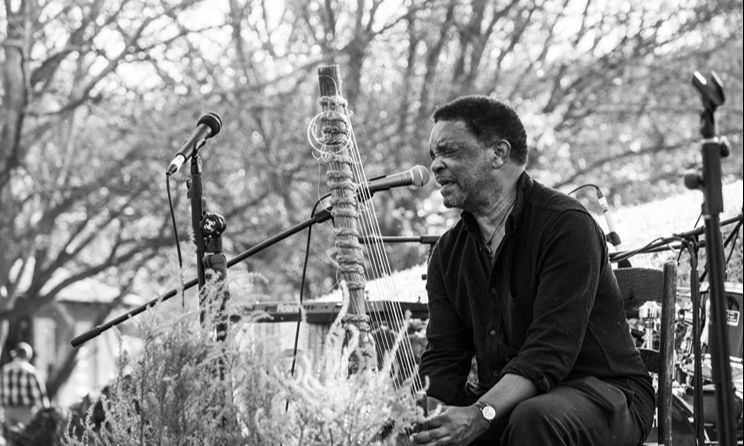 Pops Mohamed.
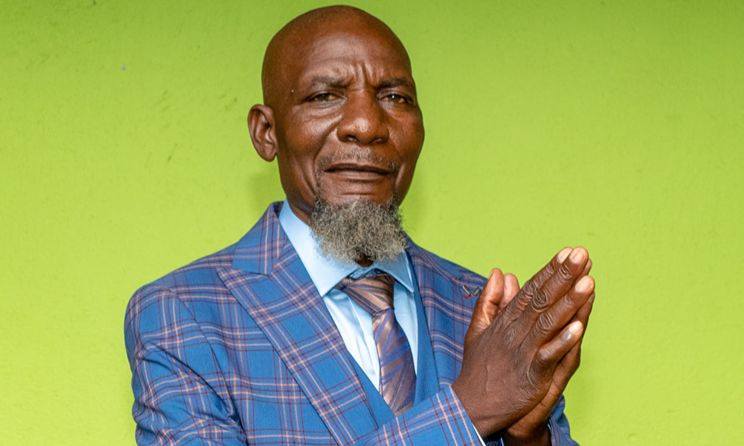 Nicholas Zacharia.
Beyond the most widely reported losses, the year also marked the departure of several figures whose work often unfolded behind the scenes. Many of these individuals worked outside the spotlight, yet their fingerprints can be traced across decades of recordings, live performances and cultural exchanges.
This tribute recognises both the celebrated names and the quieter contributors whose dedication sustained the industry’s growth.
Dandy Krazy (Zambia)
Dandy Krazy was a respected musician whose work consistently employed music as a vehicle for social awareness and political reflection, earning him a reputation as a principled and outspoken voice within Zambia’s music landscape.
Doc Shebeleza (South Africa)
Doc Shebeleza died at his home in Johannesburg after a prolonged illness. He enjoyed a distinguished career spanning several decades and rose to prominence in the 1990s as the founder of the influential kwaito group Amaskhumfete.
Jimi Mbaye (Senegal)
Mbaye left behind a remarkable legacy in Senegalese music. His career began with Étoile de Dakar before joining N’Dour’s Super Étoile band in 1979. He was often compared to Jimi Hendrix and Robert Johnson. His signature guitar style became a defining feature of mbalax music, enriching Senegal’s musical heritage with a sound that was both deeply rooted and forward-thinking.
Rosemary Mangope (South Africa)
Over the course of her career, Rosemary Mangope occupied a number of senior leadership roles within South Africa’s cultural and development sectors. These included serving as Chief Director at the Department of Sport, Arts and Culture, Divisional Executive at the Development Bank of Southern Africa, and Chief Executive Officer of the National Arts Council until her retirement in April 2021.
Amadou Bagayoko (Mali)
For decades, Amadou and his wife Mariam Doumbia formed an internationally celebrated musical partnership, known for blending traditional Malian music with rock guitar, harmonica, and rich vocal harmonies. Their breakthrough on the international stage came in 2004 with the release of Dimanche à Bamako, produced by French musician Manu Chao. The album, a critical and commercial success, earned them a Victoire de la Musique award in France in 2005 in the World Music category.
Teddy Osei (Ghana)
Teddy Osei died at the Apple Tree Care Home in London, where he had lived for five years following a period of illness. As a founding member of Osibisa, he helped establish one of the most successful and enduring African-heritage bands in the United Kingdom. The group pioneered a hybrid sound that fused European, American and African influences, laying the groundwork for what later became known as world music.
Rashid Lombard (South Africa)
With more than two decades of experience in managing music concerts and events, and as the founder of esp Afrika in 1998 as well as festival director of the Cape Town International Jazz Festival from 2000 to 2014, Rashid Lombard played a pivotal role in conceptualising, strategising, programming and delivering the international and domestic marketing strategies for the iconic event, now branded ‘Africa’s Grandest Gathering’.
Thabang Tabane (South Africa)
Thabang Tabane, son of the late jazz icon Philip Tabane, was immersed in music from an early age. He began performing with his father’s band as a child and later toured internationally, collaborating and sharing stages with artists such as Thandiswa Mazwai.
Ilko Case (Somalia)
Ilko Case, born Fu’ad Ahmed, left a cultural silence that fans from Djibouti to Mogadishu said will not be easily filled. For decades, his songs resonated through family homes, city buses, weddings and community gatherings. Rooted in tradition yet receptive to modern influences, his sound helped shape the evolution of Somali music over the past three decades.
Daddy Lumba (Ghana)
Daddy Lumba’s career was marked by remarkable versatility, as he worked across a wide range of genres, including highlife, hiplife and gospel. He was also regarded as one of Ghana’s most self-sufficient artistes, having built his own music and media production operation.
DJ Awana (Ghana)
DJ Awana was widely respected for his influence in radio broadcasting and live performance culture, where his skill and versatility helped shape the sound of numerous events and programmes.
Mike Ejeagha (Nigeria)
Mike Ejeagha was celebrated for his contribution to Nigerian folk music, particularly for the memorable refrain ‘Gwo Gwo Gwo Ngwo’ from his classic song ‘Ka Esi Le Onye Isi Oche’, which remains deeply ingrained in popular culture.
Ahuja Bello (Nigeria)
Ahuja Bello emerged as one of the most recognisable figures in juju music during the 1970s and 1980s. A guitarist, vocalist and bandleader, he was known for his dynamic stage presence and a sound that resonated with audiences across generations.
Eli Njuchi’s Band Members (Malawi)
Raphael Chitsonga (drummer and sound engineer), MacFarlane Banda (guitarist), Vincent Mkwinda (road manager), Wilfred Kapengule Jnr (pianist) and Elivacy Myaba (vocalist) were regarded among Malawi’s finest live music professionals. They were admired for their technical proficiency, creativity and consistency, and played a vital role in shaping the country’s contemporary performance standards.
Paa Kow (Ghana)
Paa Kow earned international acclaim through performances across Africa, Europe and the United States. He collaborated with a wide range of African and American musicians, including acclaimed bassist Victor Wooten, and was recognised for his innovative approach to rhythm and composition.
DJ Warras (South Africa)
DJ Warras came to prominence in 2008 after joining YFM, before moving to 5FM. In 2012, he became a presenter on SABC1’s music programme Live AMP, a role he held for approximately six years, contributing significantly to South Africa’s youth and popular music culture.
Nicholas Zakaria (Zimbabwe)
Nicholas Zakaria was a pioneering figure in sungura music, widely regarded as a mentor and custodian of the genre. His influence extended across generations of Zimbabwean musicians, securing his legacy as one of the style’s most important architects.
Pops Mohamed (South Africa)
Pops Mohamed was widely regarded as South Africa’s ‘unofficial minister of music’, a pioneering multi-instrumentalist, producer and cultural archivist whose career spanned more than four decades.
Articles populaires





Sponsored
Take this space



Commentaires
s'identifier or register to post comments