


Open call: 2026 UNESCO funding

UNESCO is inviting national authorities and civil society organisations to submit proposals aimed at strengthening the status of artists and promoting artistic freedom, in line with the 2005 Convention on the Protection and Promotion of the Diversity of Cultural Expressions.
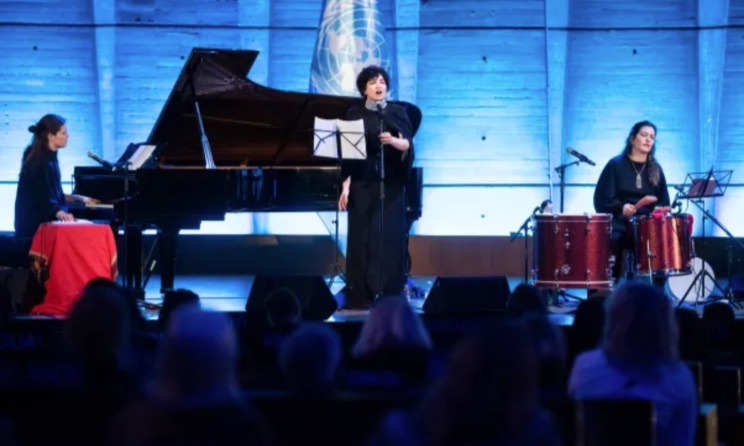 Applications close on 23 February 2026. Photo: UNESCO/Cyril Bailleu
The call supports initiatives that advance artists’ rights, including freedom of expression, social and economic protections, and professional mobility. It offers technical assistance for public institutions and grants of up to $50 000 for eligible civil society projects. Applications close on 23 February 2026.
Objective of the call
The call supports initiatives that advance the rights of artists and cultural professionals, including the right to create without censorship, access social and economic protections, participate fully in cultural life, and move freely for professional purposes. It forms part of UNESCO’s broader efforts to assist governments and stakeholders in aligning national frameworks with international standards on artistic freedom and the rights of cultural workers.
Two types of support
1. Technical assistance for public institutions
Public institutions can apply for UNESCO technical support to design or revise legal and policy frameworks that improve artists’ working conditions. This includes fair taxation and remuneration, professional mobility, gender equality, responses to digital transitions, and preferential measures for artists from the Global South. While primarily technical, the support may include up to $30 000 for logistical costs. Eligible applicants include ministries (e.g. culture, labour, finance), national arts councils, and other public cultural policy bodies.
2. Financial support for civil society projects
Non-profit civil society organisations may apply for up to $50 000 to implement projects that strengthen the status of artists and protect their rights. Funded activities may include capacity-building, legal or emergency support, advocacy, research, or monitoring initiatives. Applicants must be legally registered for at least two years and show relevant experience in cultural or creative sectors.
Priorities and eligibility
Priority will be given to applications from developing countries, particularly projects addressing youth, gender equality, Africa and Small Island Developing States. UNESCO also encourages inter-sectoral proposals that link culture with areas such as education, climate action or human rights.
Applicants who have not previously received support through the Aschberg Programme are especially encouraged to apply.
Timeline
The call opened on 18 December 2025. Information sessions and applicant support activities will take place throughout January and mid-February 2026. The application deadline is 23 February 2026. Successful applicants will be announced by 15 April 2026, with projects to be implemented between September 2026 and December 2027.
How to apply
Applicants must complete the official application form and submit it, together with all required supporting documents, by email to aschberg@unesco.org. Applications may be submitted in English or French.
View the original call here.
Disclaimer: Opportunities published on this platform are provided by external organisers. While we aim to share accurate and current calls, Music In Africa is not responsible for the organisation, management or delivery of any related events or programmes.
Articles populaires






Sponsored
Take this space





Commentaires
s'identifier or register to post comments