













01 aoû 2023

Par Mouaad El Yaakabi C’est certainement l'une des révélations de la 37e édition du festival...

Nash Holdings on 9 December announced the immediate closure of its entertainment operations under the NashTv brand, bringing an abrupt end to a platform that played a prominent role in Zimbabwe's music and creative sectors over the past five years. The company said the decision was part of a strategic shift away from entertainment towards enterprise development.
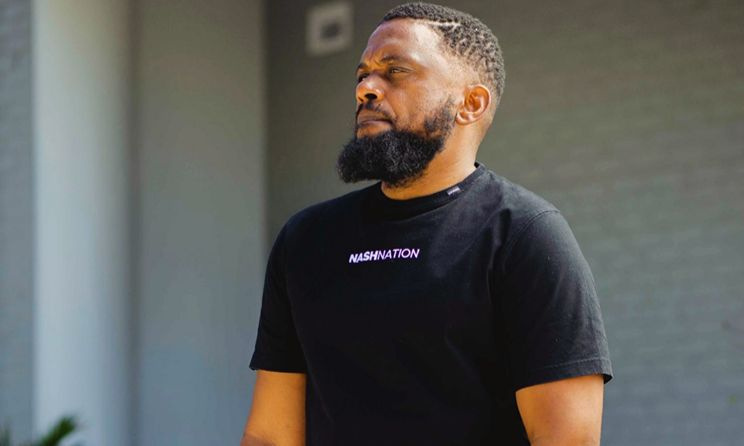
In its statement, Nash Holdings said music “was never part of our long-term strategy”, although it emphasized that it had valued its relationship with local artists. What began as Nash Lockdown during the COVID-19 era later grew into NashTv, expanding into artist support, management and marketing.
The organization said it had contributed to the rise of emerging talents including Saint Floew , Nisha Ts , Raymer and Ninety6. It confirmed that all affected artists had been informed of the transition and noted that, while it would no longer offer direct management, it would continue providing guidance. This support includes helping artists establish their own recording studios and secure new professional managers.
Nash Holdings said its focus would now shift to mentoring entrepreneurs and strengthening Zimbabwean enterprises.
Following the announcement, Nash Holdings founder and CEO Tinashe Mutarisi addressed the decision on social media. He said he believed he had “done [his] part in the entertainment space”, citing the work undertaken during lockdown and efforts to elevate several local acts. He described the shutdown as the start of a new chapter, with his focus turning entirely to entrepreneurship and mentoring the next generation of Zimbabwean business leaders. Mutarisi also indicated that he would provide further details in an upcoming Facebook Live session.
Reactions from industry figures
Music In Africa spoke to journalists and music critics to assess the implications of the shutdown for artists previously supported by NashTv and the wider entertainment landscape.
Music critic and earGround founder Plot Mhako described the closure as significant, calling NashTv “a critical incubator for emerging Zimbabwean talent”. He said artists now face both risks and opportunities as they navigate their careers without NashTv's structured support system. Mhako added that the situation highlights a broader gap in sustainable infrastructure for artist development in Zimbabwe, underscoring the need for robust platforms capable of consistently nurturing and monetizing creative talent.
Renowned critic Marshall Shonhai said the decision appeared “rushed” and possibly reactionary. While he disagreed with some of Mutarisi's approaches, he acknowledged his “genuine love for local music” and the pivotal role NashTv played in the industry. Shonhai suggested that the announcement seemed to catch some artists off guard and predicted that while they may struggle initially, their talent would eventually carry them forward. He said the Zimbabwean music industry was “poorer for losing NashTv”.
Freelance journalist Tamika Manyoni said the closure may offer freedom for artists who felt constrained by contractual obligations, but would be a major setback for those who relied entirely on the stable for visibility. She noted that the affected artists will now require new management and sponsors and may encounter stigma or opportunity linked to their NashTV association. Manyoni emphasized that despite past controversies, NashTv had been a “game changer” during the COVID-19 period by providing a platform that helped several careers take off.
Journalist Michael Gwarisa said Mutarisi's departure from the music scene came as a surprise and leaves many emerging artists in vulnerable positions. He noted that NashTV introduced audiences to previously unknown names, particularly during the pandemic, and said artists such as Saint Floew, who benefited from Mutarisi's guidance, would feel the impact. Gwarisa argued that the wider industry would feel the absence of someone who had achieved “something that had never been done in a very long time in Zimbabwe”.
The shutdown of NashTv removes one of Zimbabwe's most visible digital platforms for showcasing local talent, creating uncertainty for the artists who depend on its support.
Singer Nisha Ts, one of the artists who rose to prominence under NashTv, shared an emotional reflection on the shutdown. She said it was “difficult to put into words what this moment feels like”, describing the announcement as a mix of “sadness, gratitude, and deep reflection”. She said NashTv was more than a workplace, calling it “the place that introduced me to the world, believed in my voice before anyone else did, and guided me through some of the most defining chapters of my journey as an artist”.
Sponsored
Take this space

Commentaires
s'identifier or register to post comments