


Morocco: Neta Elkayam, Amit Hai Cohen share diaspora-inspired album


Musicians Neta Elkayam and Amit Hai Cohen have released Arénas, a seven-track album that reinterprets North African Jewish musical traditions through contemporary production.
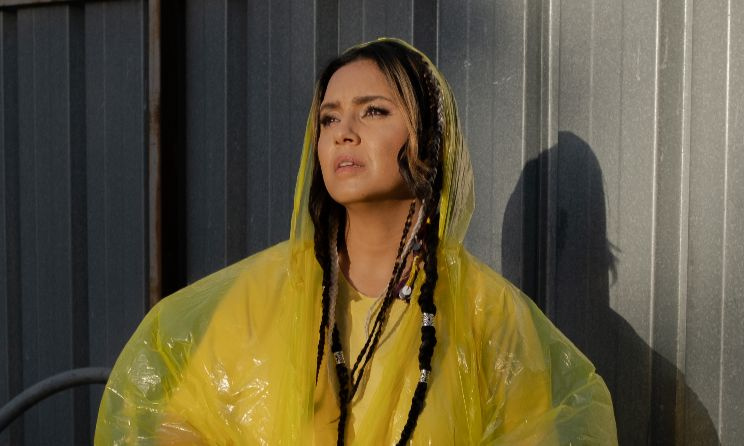 Neta Elkayam. Photo: Amit Elkayam
The project combines Moroccan musical influences with electronic elements, sampling and horn arrangements influenced by New Orleans jazz traditions. The album draws on themes of migration, memory and diaspora, reflecting the artists’ shared Moroccan Jewish heritage.
The album takes its name from the Arénas transit camp in Marseille, France, which housed thousands of North African Jewish families during periods of migration in the mid-20th century. According to the artists, the project was partly inspired by archival reel-to-reel recordings discovered by Elkayam in Jerusalem. The recordings, collected by folklorist Professor Yissakhar Ben-Ami, documented songs, conversations and ambient sounds recorded within the camp.
Elkayam, whose family roots trace back to Tinghir in Morocco, wrote lyrics for the project in Moroccan Arabic. The album incorporates cyclical lyrical structures and repetition while blending acoustic and electronic instrumentation.
“Not here, not there, a temporary pause between past and future, a kind of vacuum,” Elkayam said. “I found refuge in the transit camp Arénas in Marseille... a trembling sentence, a voice continued to echo in my head, creating an avalanche of new words. This is how the Arénas music project was born.”
The album was co-written and composed with Cohen, who produced the project using a combination of synthesisers, sampling, percussion and brass arrangements. Both artists share family origins in Amazigh villages in Morocco, an influence that informs the album’s musical direction.
Elkayam is known for work exploring North African Jewish identity and diasporic culture through music and visual art. Arénas marks her first project centred specifically on Amazigh musical traditions from Morocco’s Atlas Mountains.
The release reflects a broader trend of artists revisiting archival and traditional music forms through contemporary production approaches, particularly within African and Middle Eastern diaspora music scenes.
Contributors: Sisi Nkabinde, Hlomisa Nqayana and Satiate Chauke
Articles populaires






Sponsored
Take this space




Commentaires
s'identifier or register to post comments