










































Ghana’s Kyekyeku puts a fresh spin on Africa’s musical heritage
11 Apr 2016 - 15:59


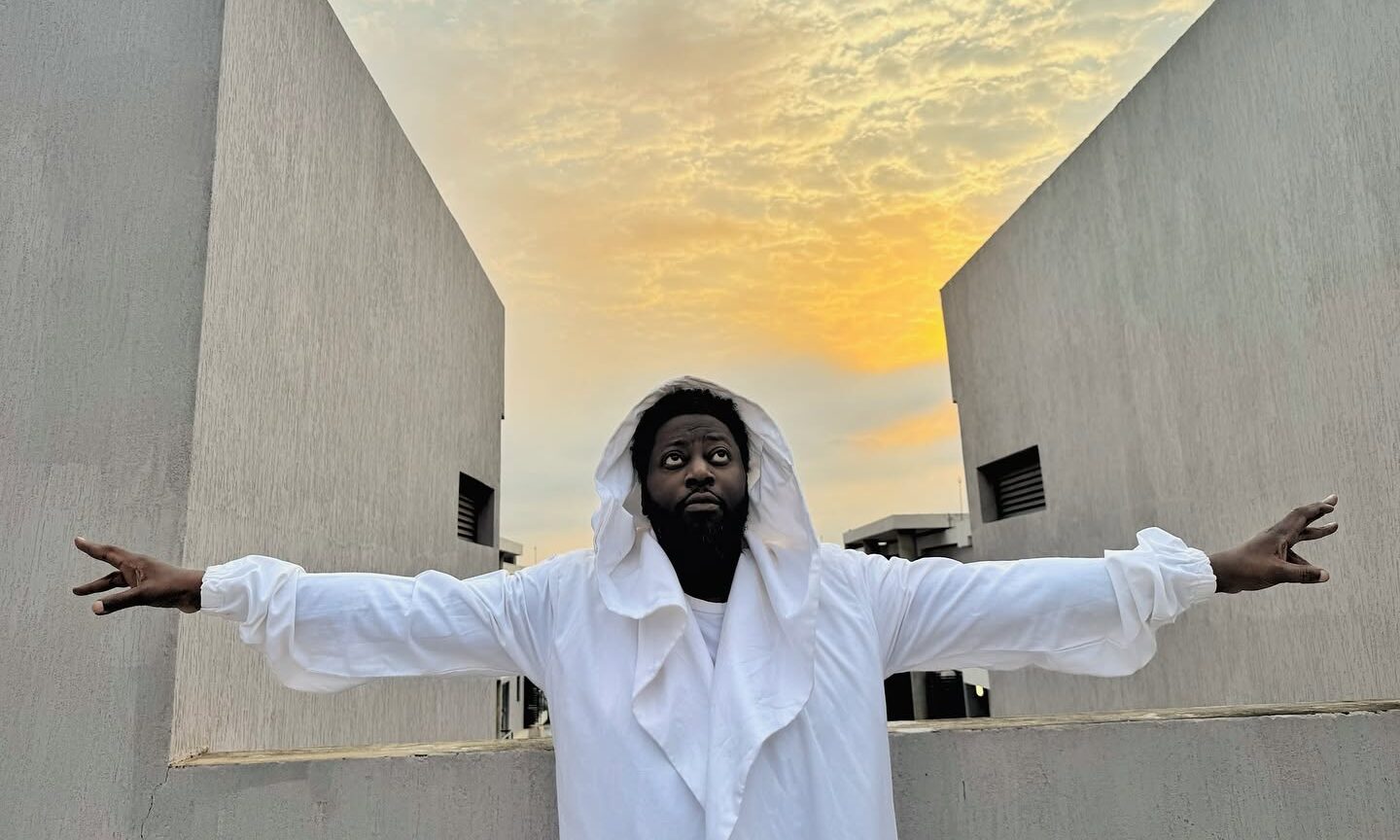
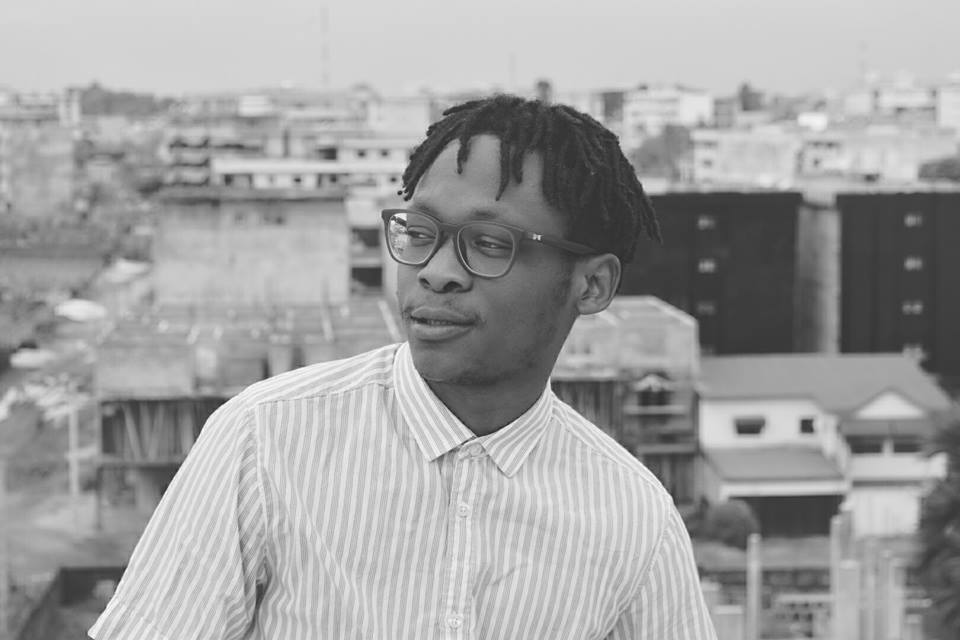
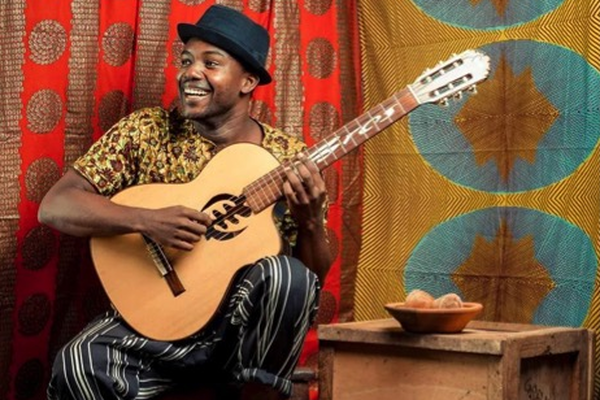
Multifaceted Ghanaian artist Kyekyeku is part of a new generation of musicians combining traditional music, palmwine, Afrobeat and highlife into a melting pot inspired by legends like Fela Kuti and Gilberto Gil. I met him in Abidjan, Ivory Coast during his participation in MASA 2016 to learn more about this very promising musician, described by CNN as a "sorcerer of the guitar".
First of all, what is the meaning of Kyekyeku and what influenced you in choosing this artist name?
Kyekyeku: Kyekyeku is a very old traditional name in Ghana among the Akan people. It’s the appellation to the name Oppong (which is my extended family name) but nobody really knows what it means! It gives the idea of mystery and that’s what I liked about it as a performance name. For me, it signifies the fact that we are losing a lot of our heritage and a meaning to life. As a musician, I have always gone back to investigate the lost old styles and so the name is in line with my musical ideas. One day I hope I meet an old woman in the village who can tell me exactly what it means!
Tell us a bit about palm wine and your influences from this genre?
Palmwine is a kind of drink tapped from the palm tree, enjoyed throughout the forest regions of West Africa. But it is also the name given to music that was made and evolved around the environment where the villagers sat and drunk palmwine and chatted. So it is purely acoustic, simple yet deep, and exhibits the musicality of old village farmers and hunters - or drunks! It’s the first attempt of using the guitar to play melodies, rhythms and modes that are typical of African folk music - because of this, it gives a sense of originality as well as innovation. Typically it allows one to sing in a natural way, converse, tell jokes and stories over simple acoustic guitar lines.
[audio:https://soundcloud.com/kyekyeku/akwaaba-to-ghana autoplay:0]
What are the main ideas you try to express through your music?
My music highlights the need to be aware of societal issues that are problematic - issues such as bad politics, religious propaganda and sexual discrimination. It reflects a lot of the things in society that need to be said, not silenced, for the benefit of finding solutions and giving a better life experience.
In terms of the the traditional Akan understanding of life and how it can apply in modern society, ideas that can help us have fun are also very dear to me - like feeling happy, dancing, smiling and getting a bit crazy! Recently I have been inspired to write music about village lifestyle that I experienced growing up with my grandmother, where we always had to shower in the open bathhouse, without a roof. The floor was just stones and plants grew in the bathroom. Looking back now, I see that the lifestyles we have lost were very organic and therapeutic to release stress, compared to today's closed, tiled baths that are expensive to build. So the need to go back to a more organic lifestyle is very important to me.
Talking about your music, can you sum up briefly your creative process? How do you compose songs?
There is not a single process and pattern, but I find taking walks through the busy streets of Accra and sitting in the old rickety tro-tro public transport brings lots of tunes and ideas into my head. Sonically I create from a guitar and percussion angle, since they are the two main sides to my musicality, and then there is the ideological: how to express a certain feel and discourse. Finally, I leave the rest to time, chance and feeling to shape the music.
How many albums or songs have you produced?
I self-produced my first album, Higher Life on Palmwine, which is my only album at the moment and very dear to me. My personal catalogue contains several works that are yet to make it onto albums. Then I have also produced a number of works for some incredible performers back in Ghana, including Poetra Asantewaa, Wanlov the Kubolor, Villy and the Xtreme Volumes.
What do you think should be the role of the artist in contemporary African society?
The role hasn’t changed much from the early days. Artists are the voice of the community and society. They say what everyone is afraid to say and they think in directions where people are afraid to venture. This role should still be kept integral today. They should be free to express themselves in whatever medium and discipline. Now in modern times they have added the role of selling attention through mega-endorsements (which is not a bad thing), but then that should be used to further the more integral roles!
Talking about the African continent, which countries have you visited so far and what memories do you have from each?
West Africa is great. Africa packed in one! Ivory Coast is the first country (other than Ghana) that I love because they share close cultural ties to Ghana through the Akan culture. However, I found it weird that everybody spoke French and very little African languages could be heard on the streets of Abidjan - not like Ghana, where African languages come first. Futu is my favourite, though!
Nigeria is a bit of me and 'Ghana 2.0' because in truth I was born there and I visited to play at Felabrations for the last two years. It always reminds me of how good or bad Ghana can get, but also of my first scenes of life. Jos is where I breathed my first air of life. Even now, I still don’t understand why they didn’t put another colour in their flag instead of simply repeating the green!
Egypt: I love this magical place. I performed at an Africa Union (AU) event in Cairo. Everything seemed like a fairytale book to me. Going into one of the pyramids at Giza was like stepping back in time. The heat is intense but the music is so good and the squeezed orange juice is the best anywhere. They are the big problem for Ghana in football!
South Africa is lovely. Cape Town is the most beautiful place geographically that I have been so far in Africa - I did a project there with Kabawil e.V and the scenes are amazing. The sea is incredibly beautiful from Cape Agulhas and the penguins are cute. I must say Cape Town is really like Europe in Africa - I think it misses a bit of the regular African street feel, but this might be how the future of most African cities looks.
Togo and Benin are neighbours. I was surprised to cross these two little countries in about an hour. I like Benin: you can see the presence of voodoo everywhere and it's beautiful to see people are still in tune with old African religions.
If you had to describe your perception of Africa in three words, what would they be?
Misunderstood. Beautiful. Future.
How was your experience of MASA 2016?
MASA 2016 was very good for me. I made lots of contacts and friends. It was definitely full of both successes and challenges. For my second time at MASA after 10 years, I saw lots of improvements. But because it’s a market, performers can get confused as to whether they are performing for professionals like promoters or to regular audiences. Overall it was a good experience and I would like to congratulate the MASA team for a good job done!
Do you think the francophone audience reacted well to your music?
The sense of appreciation of the francophone audience is amazing. At Bao Café and Parker Place, where I also played, we got great reception. I was really impressed and happy about that. At MASA, most of the line-up on my day played late and the audience looked a bit tired, but they still responded well. Parker Place is known by reggae lovers, who were so receptive to my highlife and Afrobeat sounds that everyone moved to our rhythm.
Which African artists do you listen to currently?
Gangbe Brass Band (Benin), Blick Bassy (Cameroon), Villy and the Xtreme Volumes (Nigeria), Pat Thomas, Koo Nimo, Adofo and Alex Konadu (Ghana), Cesaria Evora (Cape Verde), Habib Koite and Fatoumata Diawara (Mali).
What are your upcoming projects?
I'm looking forward to the upcoming Framewalk project in Germany and meeting artists from Haduwa, Ghana. I'm currently working on my next album and planning for touring possibilities in Africa and elsewhere. I am also planning on using short movies to tell certain stories from my background. I am beginning to incorporate certain other instruments into my solo performances, so I am rehearsing a lot and finding a connection to those instruments.


Most popular

Top amapiano songs of 2026
16 Feb 2026

Top Afrobeats songs of 2026
19 Mar 2026

Top Naija songs of 2026
31 Mar 2026
Open call: Goethe-Institut grants for Southern African creatives
08 Sep 2026
AFRIMA 2026: All the winners
12 Jan 2026
Sun-El Musician confirmed for ACCES 2026 in Joburg
15 Sep 2026
Open Call: Voices For Roxette invites artists worldwide to submit cover versions
15 Sep 2026
Disclaimer: Music In Africa provides a platform for musicians and contributors to embed music and videos solely for promotional purposes. If any track or video embedded on this platform violates any copyrights please inform us immediately and we will take it down. Please read our Terms of Use for more.

Subscribe to our monthly Newsletter
Follow us on social media


Please log in to post a comment.