




































NEFCISA
NEFCISA

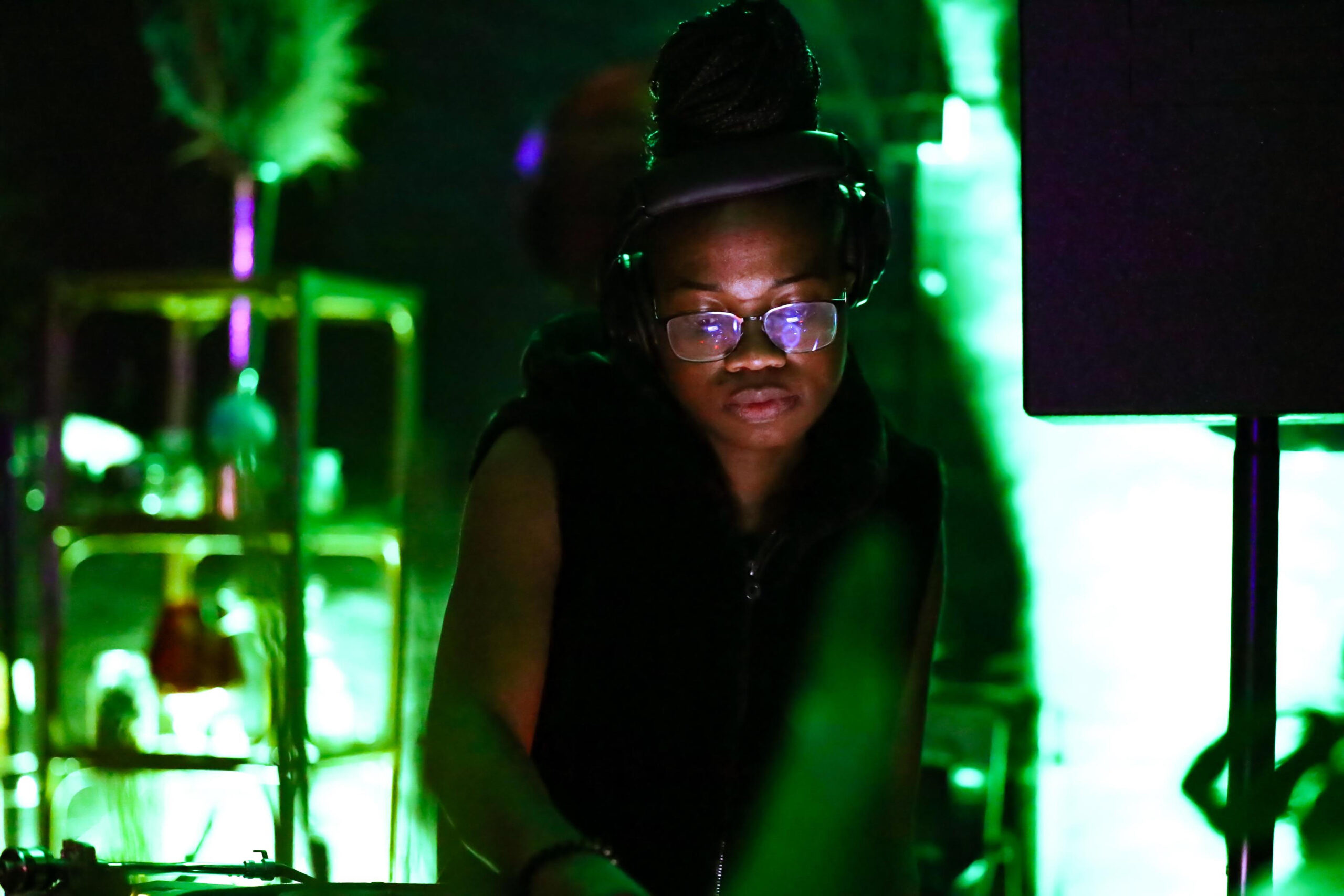
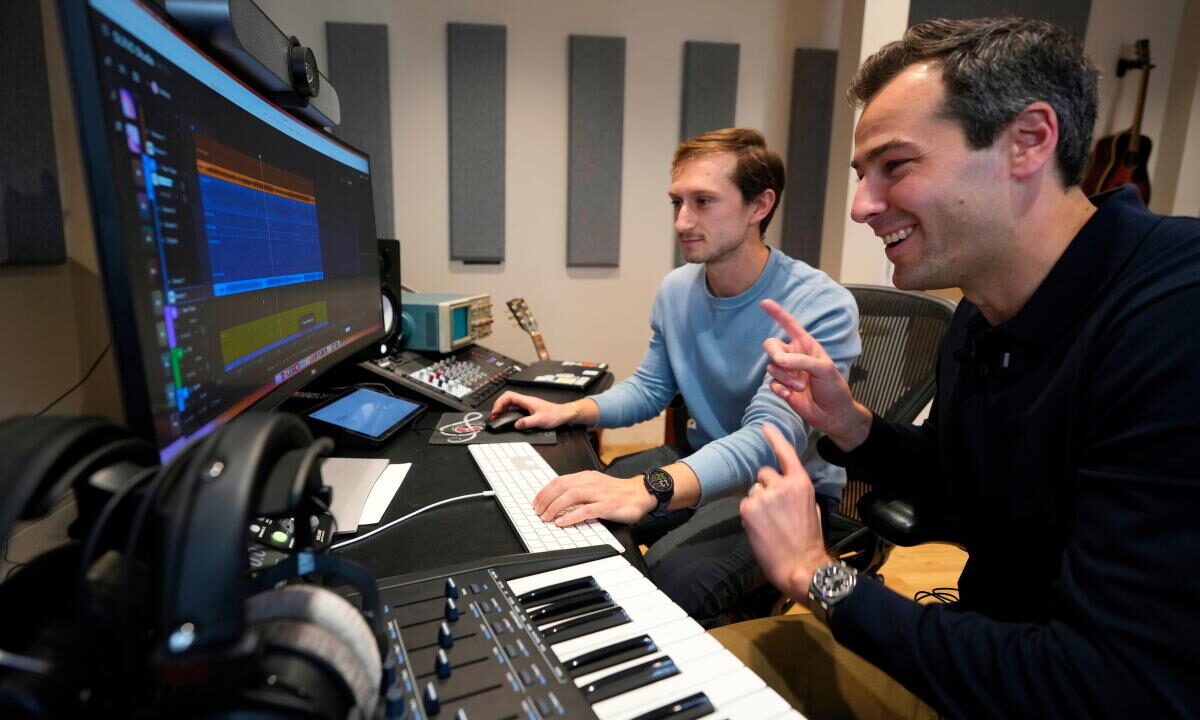
The Music In Africa Foundation (MIAF) is proud of its partnership with the Industrial Development Corporation (IDC) as a Strategic Implementing Partner (SIP) for its Social Employment Fund (SEF). Through this collaboration, MIAF is running a national programme that is creating jobs, addressing skills gaps, and strengthening South Africa's creative industries — in line with the SEF's overarching goal to generate work for the common good and build community value through employment, social contribution, and inclusive economic participation. Operating under the banner NEFCISA (National Employment Facility for Creative Industries in South Africa), the initiative is recruiting and training participants, matching them with host organisations, and has already placed 1 500 workers across the country — surpassing its original target of 1 000. NEFCISA is delivered through a network of 20 host organisations spanning five provinces, who are actively hosting participants and contributing to work for the common good across South Africa's creative and cultural industries. Key Objectives: Support employment and entrepreneurship in the creative industries. Offer skills development and training programmes. Foster partnerships between public and private creative sectors. Promote South African creativity at both provincial and national levels Foster community development through social contribution.

ACCES
ACCES

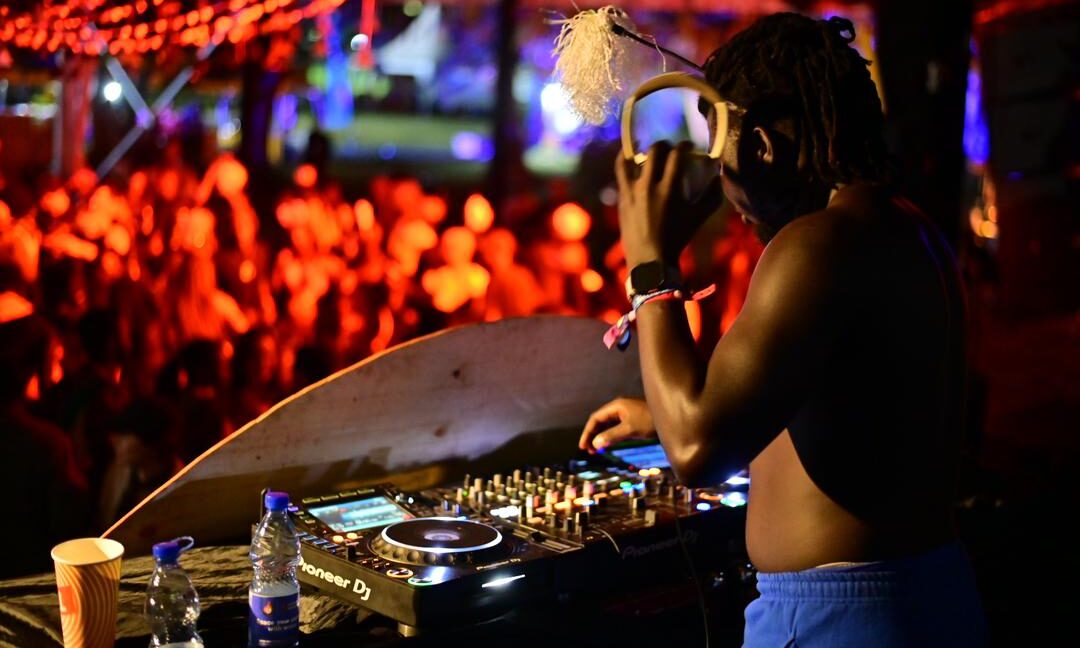
ACCES Conference and Showcase Festival is Africa's leading music industry gathering, bringing together the people shaping the future of the continent's music business. Artists, entrepreneurs, executives, investors, policymakers and cultural leaders from across Africa and around the world come to ACCES to build partnerships, exchange ideas, discover talent and create new business opportunities. Since its launch in 2017, ACCES has become the continent's premier platform for professional exchange and music market development. Combining a high-level conference with a curated showcase festival, networking, exhibitions and industry programmes, ACCES offers a unique space where creativity meets business and where African music connects with the global industry.

Gender@Work
Gender@Work

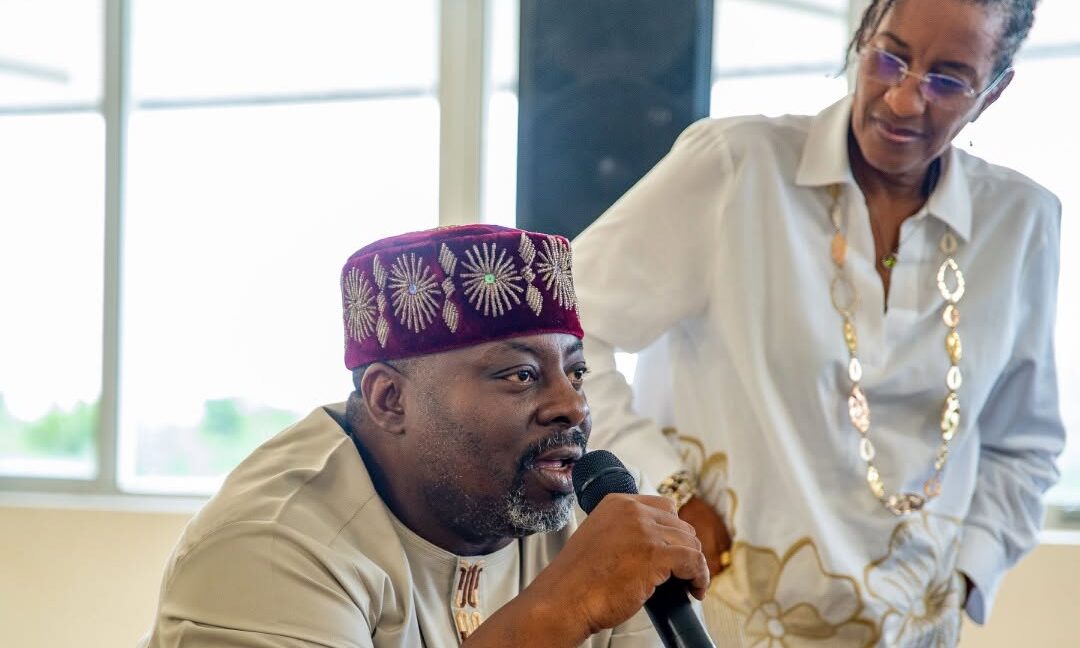
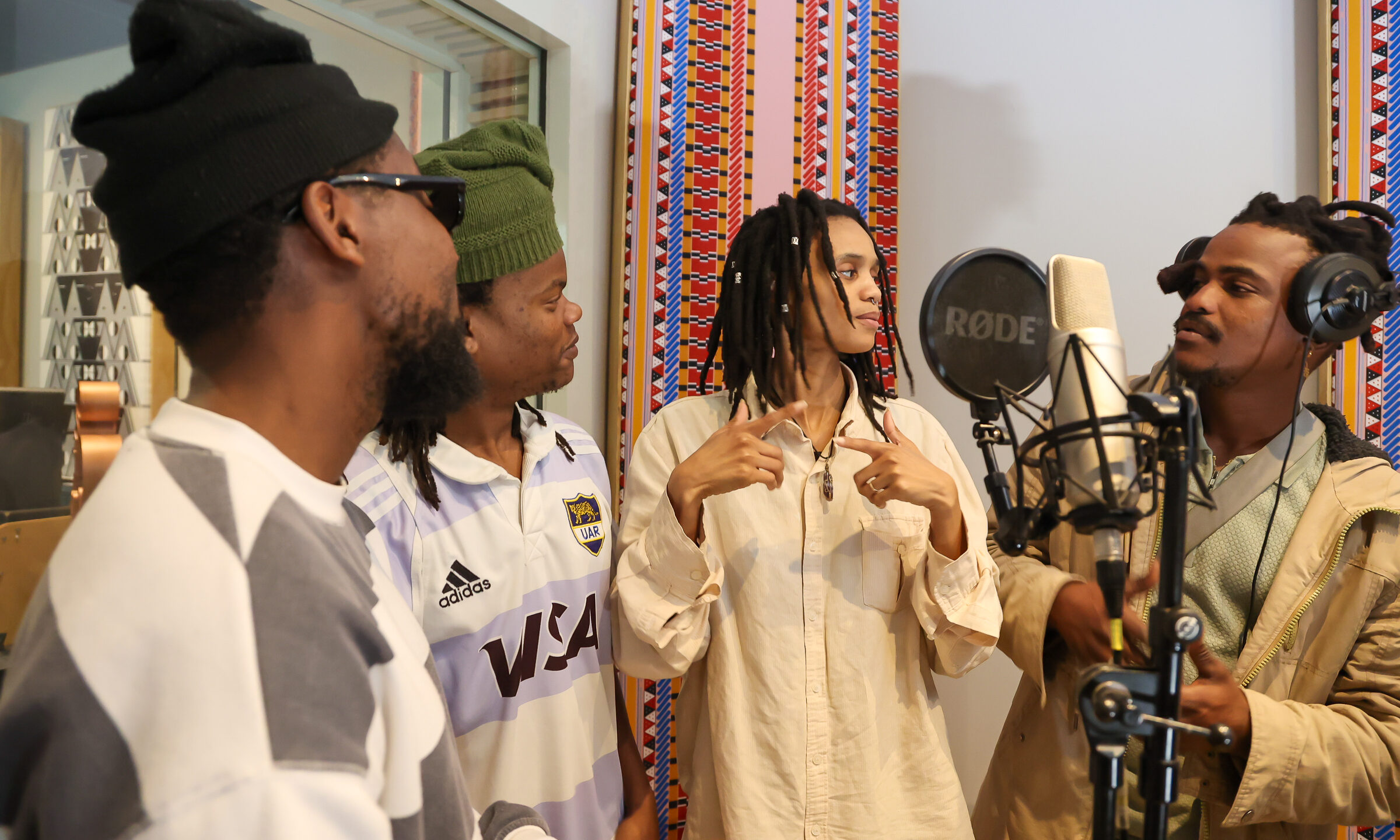
Music In Africa Gender @ Work is a three-year training programme aimed at upskilling and increasing the participation of female professionals in the African music sector. Launched by the Music In Africa Foundation (MIAF) in April 2019, the programme is connected to the MIAF’s ACCES music conference – a pan-African event held in a different African country every year. This connection enables the programme to reach new participants in a different African country every year. The programme marks the beginning of a more concerted effort by the Foundation to support the participation and inclusion of women in all facets of its programmes and the music sector in Africa as a whole. Over the three years, the programme will aim to address gender imbalances in the sector through training, lobbying, facilitating knowledge exchange and dialogues that foster the interest of women. The broader objectives of the programme are to: Provide industry training for women on critical music industry skills, focusing on: Stage management Electronic music production and recording Music business management Technical knowledge Provide an opportunity for both professional and aspiring women to benefit from the Music In Africa network and its broad range of activities in 2019, 2020 and 2021. Provide a solution-based platform in the form of a round table at ACCES with a view to identify challenges, discuss opportunities and lobby for the interests of female practitioners. Offer participants the opportunity to benefit from programmes offered by MIAF’s partners. Increase access to educational materials. Integrate participants in the broader ACCES programme to maximise experience and exposure to the industry. Record and present training materials on the www.musicinafrica.net, including but not limited to tutorials, templates and other best-practice materials. Communicate women-based themes that support the initiatives and messages of the programme. MAIN TRAINING ACTIVITIES Training in first country (Ghana): In the first year, participants will be trained on all aspects of stage management by a team of experienced stage managers from 10 to 17 November 2019. The programme will offer robust classroom training as well as practical, hands-on training in which participants will also be given the opportunity to manage various aspects of the ACCES performance programme. Training in second country: The second training iteration will take place at ACCES 2020 when the programme will diversify its course to include music production lessons and training on other music business topics. A round-table platform will also be introduced to coincide with the ACCES programme. Training in third country: The third training iteration will take place at ACCES 2021 in a different country, offering an advanced course. HOW DO YOU GET INVOLVED?  As a participant, facilitator or trainer: The programme enrolls up to 12 trainees every year. All opportunities are advertised publicly on this website, and will be added to this page. Please keep checking this page for new calls (below under UPDATES & CURRENT OPPORTUNITIES). As a partner Please contact Claire Metais at [email protected]. APPLY The call for applications for 2020 will be announced soon. The Music In Africa Gender @ Work programme is made possible with the support of the Prince Claus Fund, Siemens Stiftung and Goethe-Institut.

Sound Connects Fund
Sound Connects Fund

For cultural and creative practitioners and organisations operating in southern Africa, access to funding remains a major challenge. The COVID-19 pandemic has also had a massive impact on government policy, spending and the economy in general, and has seen spending on culture being moved further down the list of priorities. Further, the cultural and creative industries repeatedly cite four main areas where investment is needed for growth, which are increased visibility, mobility including access to new markets, finance and support structures.

Instrument Building And Repair Project

Experience the Vibrations African Instruments Exhibition online in 3D

banner image

Rapport 2019 de la CISAC : les revenus issus du numérique progressent au Sénégal

Home/Non classé/Rapport 2019 de la CISAC : les revenus issus du numérique progressent au Sénégal

Les collectes issues du digital ont été multipliées par 5 au pays de la Teranga, avec une hausse estimée à 465 % entre 2014 et 2018. Une statistique encourageante, à mettre au crédit de la Société sénégalaise de gestion collective des droits d’auteur et droits voisins (Sodav), qui a su adapter son processus de collectes aux nouvelles technologies.

La consommation physique des oeuvres créatives a clairement laissé la place à une consommation numérique ; la Sodav se devait de prendre en compte cette mutation pour définir une stratégie efficiente, qui permette aux artistes de mieux vivre de leurs créations.

La société sénégalaise a reccueilli un montant total de 794 millions de francs CFA (environ 1 210 000 €) cette année, reparti comme suit, selon les types d’utilisation des oeuvres  : CD et vidéos (4,3 millions/0.5%), TV et radio (104 millions/12,9%), live et ambiance (260 millions/32,7%) et digital (426 millions/53,6%).

Les téléchargements de sonneries occupent 98% des revenus générés par l’exploitation numérique (426 millions de francs CFA /environ 650 00 euros). Il faut dire que le Sénégal a réussi le pari de monétiser ce format numérique assez spécifique. 

Les collectes générales (CD, vidéos, TV, radio, live et digital confondus) ont augmenté de 27,1 % entre 2017 et 2018, et de 94% depuis 2014 au Sénégal, qui figure au 7e rang des meilleures nations africaines.

La Sodav qui est sur une bonne dynamique, a défini quelques chantiers pour améliorer ses collectes.

Recouvrer les impayés des radiodiffuseurs et télédiffuseurs

La société sénégalaise compte récupérer d’importantes sommes que doivent depuis de nombreuses années, des compagnies de télé et radiodiffusion.

La Sodav mène actuellement des négociations avec la Radiodiffusion Télévision Sénégalaise (RTS), en vue de cesser d’appliquer un paiement forfaitaire mais de privilégier plutôt un paiement basé sur un pourcentage des revenus, en augmentant ainsi les sommes collectées. 

Avec 259 stations de radio et 27 chaînes de télévision sur le territoire sénégalais, il est très difficile de délivrer des licences et de collecter des droits, mais la Sodav compte relever le défi.

La délivrance des licences pour le live

Une vaste campagne a été lancée par la Sodav, dans le but de délivrer des licences aux entreprises concernées par la catégorie live et ambiance. En 2018, elle a permis d’atteindre 600 structures établies à Dakar, la capitale sénégalaise, en l’espace de deux mois.

Cette campagne devrait s’étendre dans toutes les régions du territoire national.

Rappelons que le live représente la seconde portion la plus importante des collectes annuelles, avec un montant de 260 millions, soit 32,7% des parts.

La collecte sur la copie privée

Si la copie privée représente une source de revenus potentiellement importante pour les créateurs locaux, sa collecte n’est pas encore autorisée au Sénégal.

Mais la SODAV, avec le soutien de la CISAC, entend faire du lobbying auprès des autorités compétentes pour faire changer les choses. 

La société sénégalaise devrait pouvoir atteindre son objectif, car elle bénéificie d’un soutien de taille, celui du ministre de la culture, qui a vivement soutenu cette initiative à l’occasion d’un séminaire organisé par la CISAC en 2018 en collaboration avec l’Organisation Internationale de la Francophonie (OIF).

L’Afrique au ralenti

Si les indicateurs du Sénégal sont encourageants dans l’ensemble, l’Afrique, elle, traîne un peu les pas.

En 2018, les sociétés du continent ont collecté 78 millions d’euros, enregistrant une faible hausse (+0,7 %). Il est indiqué dans le rapport du CISAC que cette situation « est principalement due aux fluctuations monétaires ». « À taux de change constants, la région afficherait une croissance de 5,8 % », peut-on lire dans le document.

Avec sa belle recette de 72 millions d’euros enregistrée dans le rapport, la musique est de loin, la forme artistique la plus lucrative sur le continent.

Le rapport de la CISAC sur les collectes mondiales en 2019, est à télécharger au bas de cet article.

newsletter banner

Subscribe to our monthly Newsletter

Follow us on social media