







































3 artistes qui font briller le Bénin à l’international
Joe Kingston et son positionnement qui accroît
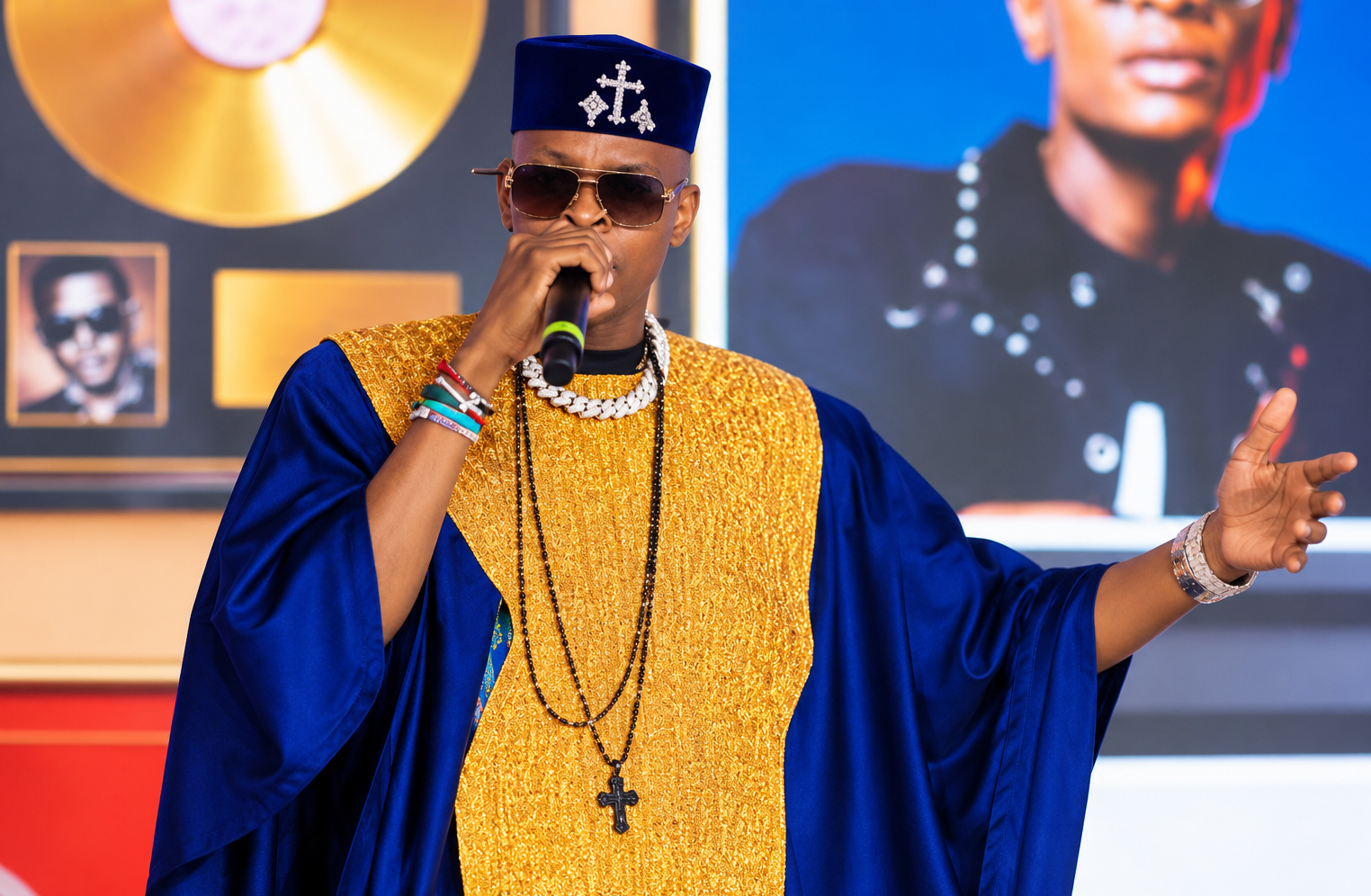
Il se distingue dans l’industrie musicale béninoise par son ton décalé et son imagerie atypique qu’il présente comme celle d’un être venu d’ailleurs. Il l’accentue justement à travers son écriture répétitive construite par des jeux de mots et des jeux de sens truffés de subtilités aux sous-entendus pleins d’hilarité. A cela s’ajoutent, son attachement aux sonorités alliant assonance, paronomase et homophonie.
Ce qui le distingue davantage, c’est sa capacité à maintenir avec pertinence une fidélité stylistique à lui-même, quel que soit le style musical qu’il aborde. De fait, même s’il passe de la drill à l’afrobeats, son feeling commence à devenir une sorte de marque déposée au fil du temps.
Le tout, porté par l’évolution constante de son imagerie et la diversification créative visuelle qu’il densifie clip après clip. De plus, sa force réside également dans la construction durable qu’il a menée d’un réseau solide hors du Bénin. Ce qu’il démontre par ses collaborations stratégiques avec des médias renommés (Trace Group par exemple), et des artistes influents (Davido par exemple).
En cela, Joe Kingston, par son parcours démontre que la renommée locale n’est pas préalable au succès international. Il s’évertue ainsi à son échelle à hisser le Bénin sur la scène mondiale de la musique urbaine. En proposant son esprit cosmopolite et à sa vibe multiculturelle. Ce qui lui permet de créer un son distinctif qui transcende les frontières, pour captiver un public mondial.
Justement, il va prendre un tournant décisif et marquer l’histoire des musiques urbaines du Bénin en étant le premier rappeur à se produire dans la prestigieuse salle de l’Olympia. En effet, le 29 Octobre 2023, Joe Kingston s’illustre en faisant la première partie de la star nigériane Omah Lay. A travers cette expérience, il contribue non seulement à sa réussite personnelle (il a presté devant environ 2000 personnes), mais aussi à l’avancement de la musique urbaine béninoise à l’international. Un placement qui permet de positionner le Bénin dans des strates musicales mondiales insoupçonnées.
De quoi lui garantir une visibilité ascendante et à la hauteur de ses prises de risques.
[video:https://youtu.be/xDzePzsUiMc autoplay:0]
Koody et son endurance qui paye
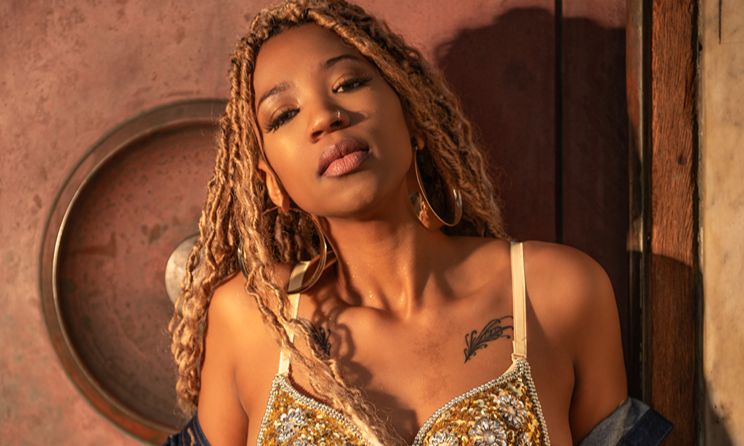
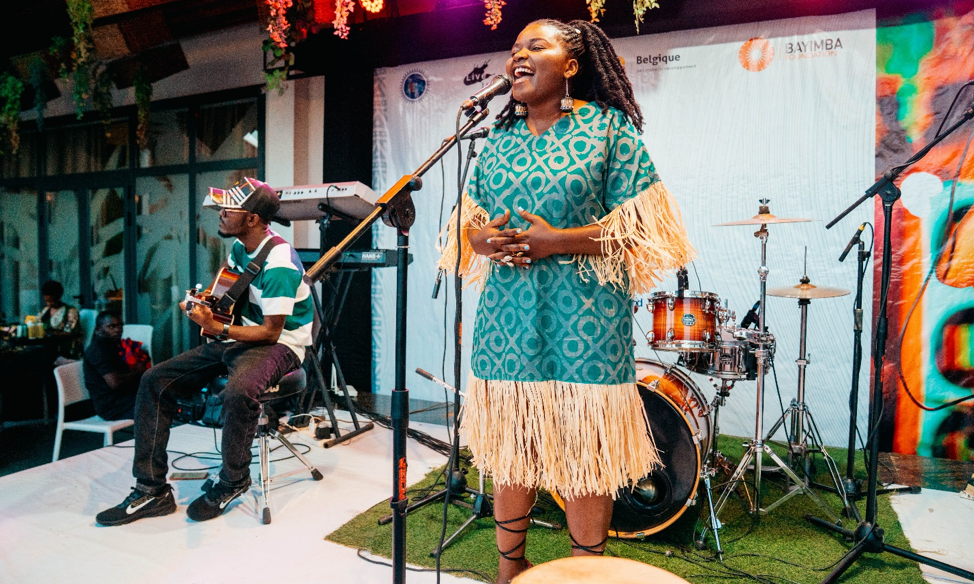
Quand elle chante, elle dévoile un lamento sincère où ses larmes se muent en murailles d’espérance optimiste. Koody est une chanteuse polymorphe, qui surprend par sa pluralité d’approche vocale et linguistique. En yoruba comme en anglais, elle chante, elle psalmodie, elle récite. Dans des styles qui mobilisent l’attention de l’écoute, la sensibilité soul, la technicité jazz, et les influences rythmiques africaines. Une subtile fusion des sonorités et des sensibilités.
Si dans son pays natal, elle n’est pas plébiscitée à la hauteur de sa densité, Koody Fagbémi a compris qu’il faut s’exporter pour se vivre pleinement. Depuis, sa croissance est fulgurante. En effet, en 2023 elle a enchaîné près de 50 dates entre l’Afrique et l’Europe. Elle devient ainsi la chanteuse béninoise émergente la plus en tournée sur les scènes internationales.
Ce qui fait que malgré sa relative discrétion dans son pays d’origine, Koody ne cesse d’accroître sa crédibilité à l’étranger, propulsant son travail sur des scènes, festivals et résidences clés.
Du Bénin au Togo, en passant par la France, la Suisse, l’Allemagne, elle incarne la preuve que son talent, en se bonifiant à son rythme, trouve son chemin d’éclosion, même en dehors des frontières nationales. C’est d’autant plus vrai, qu’au-delà de prester, son potentiel est de plus en plus certifié par des projets de coopération internationale en tant que formatrice en techniques vocales et improvisations.
L’avenir semble donc prometteur pour cette ambassadrice musicale béninoise qui, avec détermination et authenticité, défie les limites structurelles qui s’imposent à elle.
Et pour tout ce qu’elle transmet de justesse d’émotions, Koody mérite d’éclore à échelle de ce qu’elle vaut. Ne reste plus qu’à continuer de se trouver dans le bon environnement pour recevoir le bon répondant à ce qu’elle propose.
[video:https://youtu.be/gMFp-_UjC7Q autoplay:0]
Fafa Ruffino et sa polyvalence qui s’étend
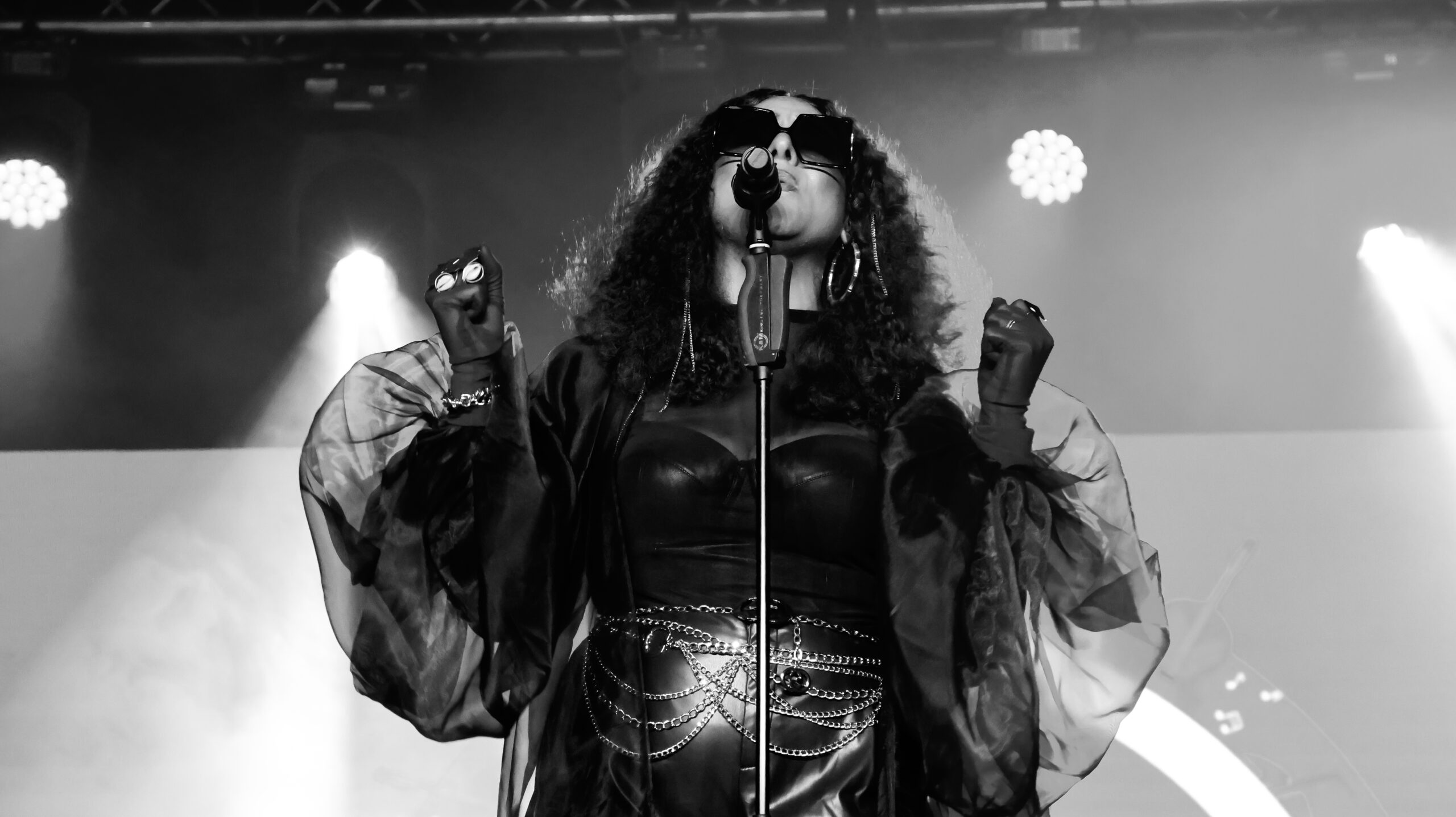
Elle possède un subtil grain sahélien dont les nuances proviennent de ses interférences métissées tant par les cultures fon que yoruba qui sont ses héritages de vie et de rencontres. Et quand elle chante, elle sait s’approprier la vérité engageante à laquelle sa voix s’emploie. De fait, elle nous confronte par ses vibes, à la vision de société en nous, qui mérite d’être repensée. En effet, elle se caractérise par une virtuosité qui subjugue. Tellement qu’elle est capable d’engendrer chez ses mélomanes, des ressentis de bravoure et d’élan de foi ou de joie. Pour y parvenir, elle alterne douceur harmonique et puissance mélodique. De sorte à s’emparer de sujets qui bousculent et qui concernent la femme africaine.
Il faut dire qu’en cela, elle est la continuité de ce qu’Angélique Kidjo représente dans le contexte béninois. Autant à travers la teneur de son potentiel vocal que par le prisme de son pouvoir d’expansion en dehors du Bénin. Pour mieux percevoir ce qu’elle incarne dans notre sphère actuelle, il faut considérer qu’elle est ce que Dobet Gnahoré évoque en Côte d’ivoire, ce que Kandy Guira évoque au Burkina-Faso et ce que Fatoumata Diawara évoque au Mali. Justement, son parcours est d’une telle densité qu’elle a déjà collaboré avec des références comme Manu Dibango, Amadou et Mariam, les Touré Kounda, Mory Kanté, Papa Wemba, Rido Bayonne, Cheick Tidiane Seck, Rockin’ Squat du groupe Assassin, Archie Shepp et plus encore.
C’est clairement la chanteuse béninoise contemporaine dont le backgroud est le plus significatif possible. Il est donc cohérent que son existence musicale soit prolongée avec Les Amazones d’Afrique. Considéré comme le premier super-groupe féminin d’Afrique de l’Ouest, il est composé de références et de stars féminines internationales. Groupe avec lequel, Fafa Ruffino écume les plus grandes scènes et les plus réputés festivals du monde. De Jazz à Vienne à Wintertur, de Jazz à Montreux à Ollin’Kan Festival, en passant par des salles mythiques parisiennes telles que le Zénith, le New Morning, le Cabaret Sauvage, les 3 baudets ou le Casino de Paris. Ainsi, en chanteuse de poigne, en musicienne expérimentée, en danseuse de fougue ; Fafa Ruffino enchaîne les pays et les continents avec son énergie contagieuse et sa présence scénique pleine d’enthousiasme. De la France aux Etats-Unis, en passant par le Mexique, la Belgique, le Canada, le Royaume-Uni, et plus encore.
Comme quoi, même si elle n’est pas mainstream au Bénin, elle est absolument incontournable en tant que référence internationale actuelle et future du pays.
[video:https://youtu.be/BHQgoFU0WKc autoplay:0]



