



































NEFCISA
NEFCISA

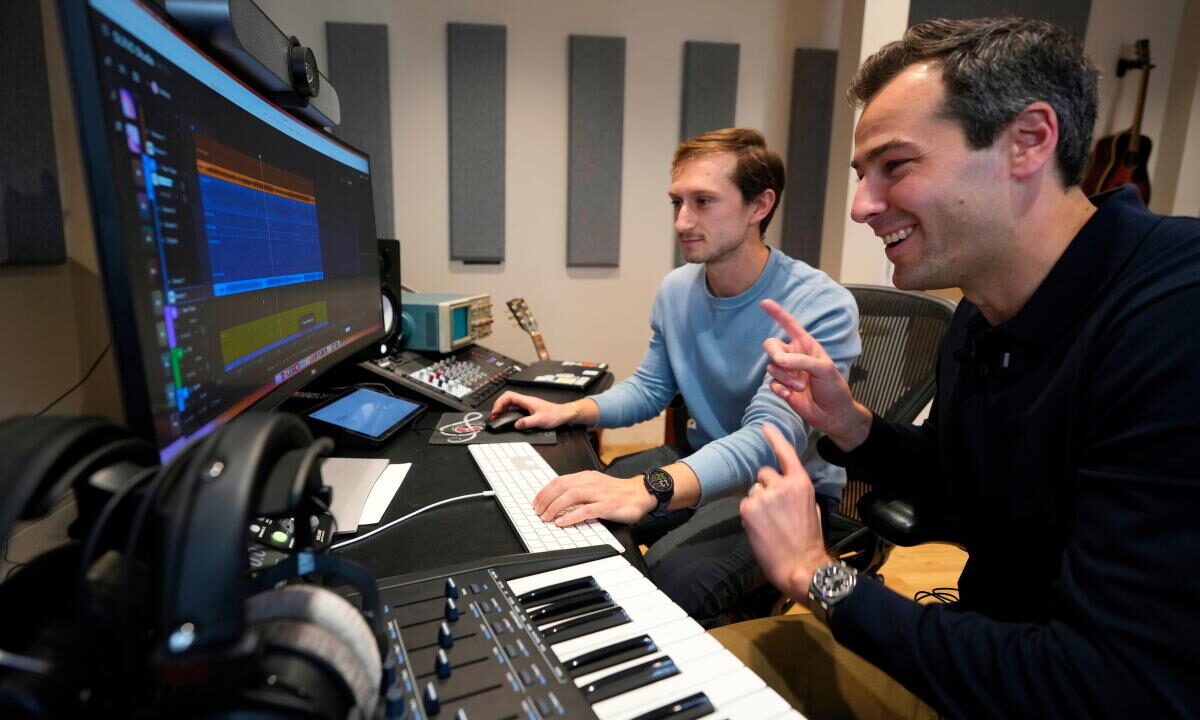
The Music In Africa Foundation (MIAF) is proud of its partnership with the Industrial Development Corporation (IDC) as a Strategic Implementing Partner (SIP) for its Social Employment Fund (SEF). Through this collaboration, MIAF is running a national programme that is creating jobs, addressing skills gaps, and strengthening South Africa's creative industries — in line with the SEF's overarching goal to generate work for the common good and build community value through employment, social contribution, and inclusive economic participation. Operating under the banner NEFCISA (National Employment Facility for Creative Industries in South Africa), the initiative is recruiting and training participants, matching them with host organisations, and has already placed 1 500 workers across the country — surpassing its original target of 1 000. NEFCISA is delivered through a network of 20 host organisations spanning five provinces, who are actively hosting participants and contributing to work for the common good across South Africa's creative and cultural industries. Key Objectives: Support employment and entrepreneurship in the creative industries. Offer skills development and training programmes. Foster partnerships between public and private creative sectors. Promote South African creativity at both provincial and national levels Foster community development through social contribution.

ACCES
ACCES

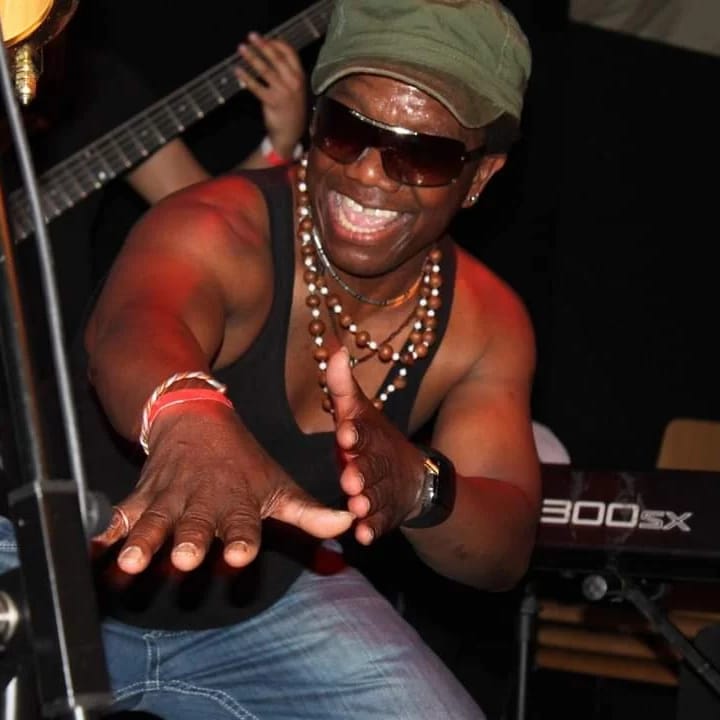
ACCES Conference and Showcase Festival is Africa's leading music industry gathering, bringing together the people shaping the future of the continent's music business. Artists, entrepreneurs, executives, investors, policymakers and cultural leaders from across Africa and around the world come to ACCES to build partnerships, exchange ideas, discover talent and create new business opportunities. Since its launch in 2017, ACCES has become the continent's premier platform for professional exchange and music market development. Combining a high-level conference with a curated showcase festival, networking, exhibitions and industry programmes, ACCES offers a unique space where creativity meets business and where African music connects with the global industry.

Gender@Work
Gender@Work

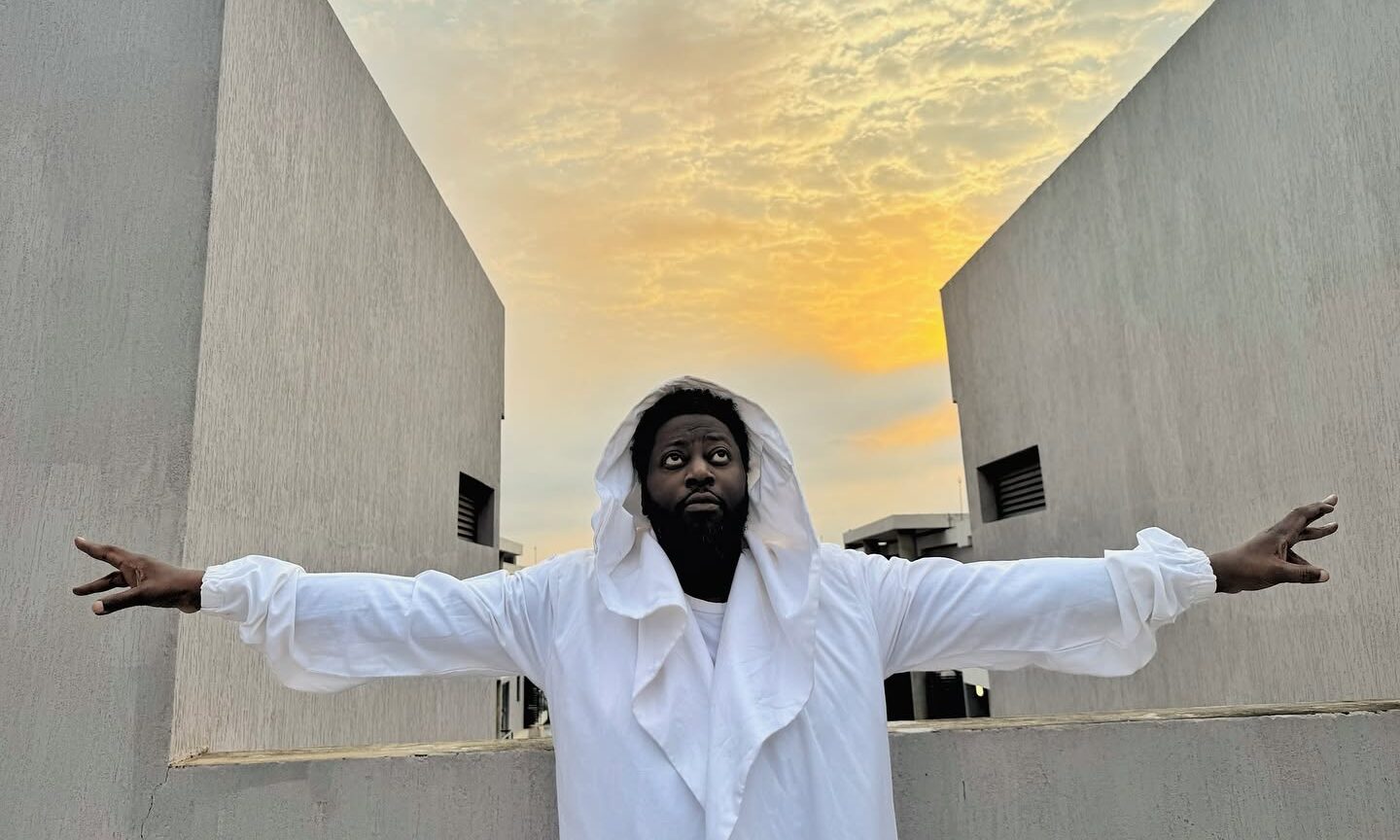
Music In Africa Gender @ Work is a three-year training programme aimed at upskilling and increasing the participation of female professionals in the African music sector. Launched by the Music In Africa Foundation (MIAF) in April 2019, the programme is connected to the MIAF’s ACCES music conference – a pan-African event held in a different African country every year. This connection enables the programme to reach new participants in a different African country every year. The programme marks the beginning of a more concerted effort by the Foundation to support the participation and inclusion of women in all facets of its programmes and the music sector in Africa as a whole. Over the three years, the programme will aim to address gender imbalances in the sector through training, lobbying, facilitating knowledge exchange and dialogues that foster the interest of women. The broader objectives of the programme are to: Provide industry training for women on critical music industry skills, focusing on: Stage management Electronic music production and recording Music business management Technical knowledge Provide an opportunity for both professional and aspiring women to benefit from the Music In Africa network and its broad range of activities in 2019, 2020 and 2021. Provide a solution-based platform in the form of a round table at ACCES with a view to identify challenges, discuss opportunities and lobby for the interests of female practitioners. Offer participants the opportunity to benefit from programmes offered by MIAF’s partners. Increase access to educational materials. Integrate participants in the broader ACCES programme to maximise experience and exposure to the industry. Record and present training materials on the www.musicinafrica.net, including but not limited to tutorials, templates and other best-practice materials. Communicate women-based themes that support the initiatives and messages of the programme. MAIN TRAINING ACTIVITIES Training in first country (Ghana): In the first year, participants will be trained on all aspects of stage management by a team of experienced stage managers from 10 to 17 November 2019. The programme will offer robust classroom training as well as practical, hands-on training in which participants will also be given the opportunity to manage various aspects of the ACCES performance programme. Training in second country: The second training iteration will take place at ACCES 2020 when the programme will diversify its course to include music production lessons and training on other music business topics. A round-table platform will also be introduced to coincide with the ACCES programme. Training in third country: The third training iteration will take place at ACCES 2021 in a different country, offering an advanced course. HOW DO YOU GET INVOLVED?  As a participant, facilitator or trainer: The programme enrolls up to 12 trainees every year. All opportunities are advertised publicly on this website, and will be added to this page. Please keep checking this page for new calls (below under UPDATES & CURRENT OPPORTUNITIES). As a partner Please contact Claire Metais at [email protected]. APPLY The call for applications for 2020 will be announced soon. The Music In Africa Gender @ Work programme is made possible with the support of the Prince Claus Fund, Siemens Stiftung and Goethe-Institut.

Sound Connects Fund
Sound Connects Fund

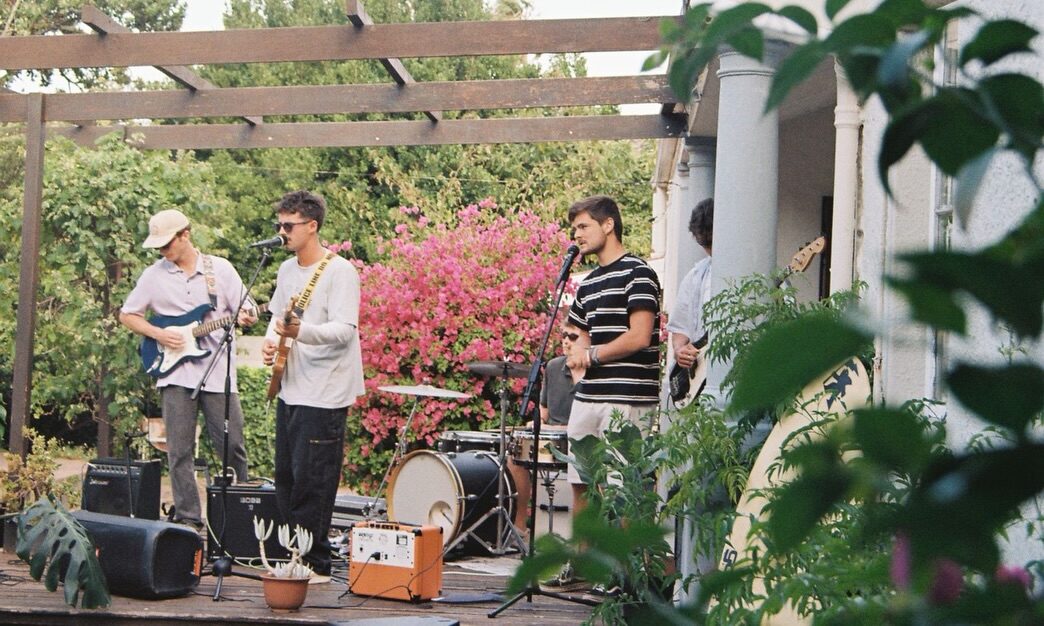
For cultural and creative practitioners and organisations operating in southern Africa, access to funding remains a major challenge. The COVID-19 pandemic has also had a massive impact on government policy, spending and the economy in general, and has seen spending on culture being moved further down the list of priorities. Further, the cultural and creative industries repeatedly cite four main areas where investment is needed for growth, which are increased visibility, mobility including access to new markets, finance and support structures.

Instrument Building And Repair Project

Experience the Vibrations African Instruments Exhibition online in 3D

banner image

Montassar Jbali réhabilite le mezoued tunisien

Home/Non classé/Montassar Jbali réhabilite le mezoued tunisien

Néanmoins, des artistes visionnaires, à l’instar de Montassar Jbali, défient ces préjugés, ouvrant de nouvelles voies musicales qui illustrent la diversité et la pertinence continues des traditions musicales africaines, appelant ainsi à une reconnaissance éclairée et à une appréciation plus profonde de ces trésors culturels. Au sein des rythmes effrénés du jazz et des battements vibrants du hip-hop, une transformation musicale remarquable s’opère, propulsant le mezoued tunisien vers de nouveaux horizons sous la direction visionnaire du flûtiste talentueux, Montassar Jbali.

Jadis, empreint de préjugés exacerbés pour son caractère sulfureux, cette musique au rythmes dansant centrée autour de l’instrument du même nom (cornemuse) est jugée artisanale, organique et surtout exempt de puritanisme. L’intelligentsia tunisienne des années 70 et 80 fustige le mezoued, les mouvements religieux rigoristes s’en indigne. c’est ce que met en exergue le documentaire L’Art du mezoued, de  Chamkhi Sonia, (Slim Amamou, Moustaches productions). C’est la musique des « enfants de l’exode rural » en mal d’amour. Il exprime « la rage des exclus, le désespoir des taulards, l’amour inconditionnel pour la mère et les blessures de l’abandon ou de la traitrise de la femme aimée. »

D’abord diaboliser puis affublé d’une imagerie folkloriste et désuète, il trouve aujourd’hui une renaissance inattendue, grâce  Montassar Jbali. Avec sa maîtrise exceptionnelle de la flûte et sa passion contagieuse pour l’expérimentation musicale, il  transcende les frontières conventionnelles. En fusionnant les sonorités envoûtantes du mezoued avec les nuances improvisées du jazz et l’énergie pulsante du hip-hop, il insuffle une nouvelle vie à un genre longtemps méconnu.

À travers cette symbiose musicale audacieuse, le mezoued se libère des stéréotypes et s’érige comme un ambassadeur intrépide de la richesse culturelle tunisienne. Présent dans diverses formations de jazz et de hip-hop, comme Erkez Hip hop, Montassar Jbali défie les attentes, démontrant que la fusion culturelle peut être à la fois puissante et subtile. Son art transcende les frontières géographiques et temporelles, créant un pont harmonieux entre les traditions ancestrales et les expressions artistiques contemporaines.

Dans ce paysage sonore en constante évolution, le mezoued, porté par les mélodies exploratoires de Jbali, s’épanouit dans une symphonie éclectique. Cette histoire musicale captivante révèle comment une réhabilitation réussie peut émaner de la créativité audacieuse et de l’ouverture d’esprit, célébrant ainsi la diversité culturelle tout en propulsant ce genre sur la scène internationale. Dans cet univers où les genres se mêlent et se réinventent, Montassar Jbali trace la voie d’une renaissance musicale, transformant le mezoued en une force vibrante et résolument moderne.

Cependant, malgré son influence grandissante, le genre n’est pas enseigné au sein de l’Institut supérieur de musique de Tunisie, où Montassar Jbali a obtenu son diplôme en musique arabe, soulignant le besoin pressant de reconnaître et d’incorporer la diversité musicale tunisienne. Cette lacune reflète la nécessité de réévaluer les canons éducatifs pour englober des genres autrefois négligés.

Au-delà des controverses, le mezoued tunisien, cette réhabilitation se distingue par sa capacité à transcender les préjugés et à conquérir des auditoires mondiaux redéfinissant son identité musicale. Il émerge, ainsi, comme un ambassadeur intrépide de la richesse culturelle tunisienne, dépassant les frontières géographiques et en déjouant les attentes, le mezoued témoigne de la puissance transformative de la musique, célébrant ainsi une renaissance rythmique qui transcende les limitations passées pour éclairer l’avenir de la scène musicale.

[video:https://www.youtube.com/watch?v=7J90CL-vRt8 autoplay:0]

newsletter banner

Subscribe to our monthly Newsletter

Follow us on social media