










































La musique populaire en Namibie
La musique engagée
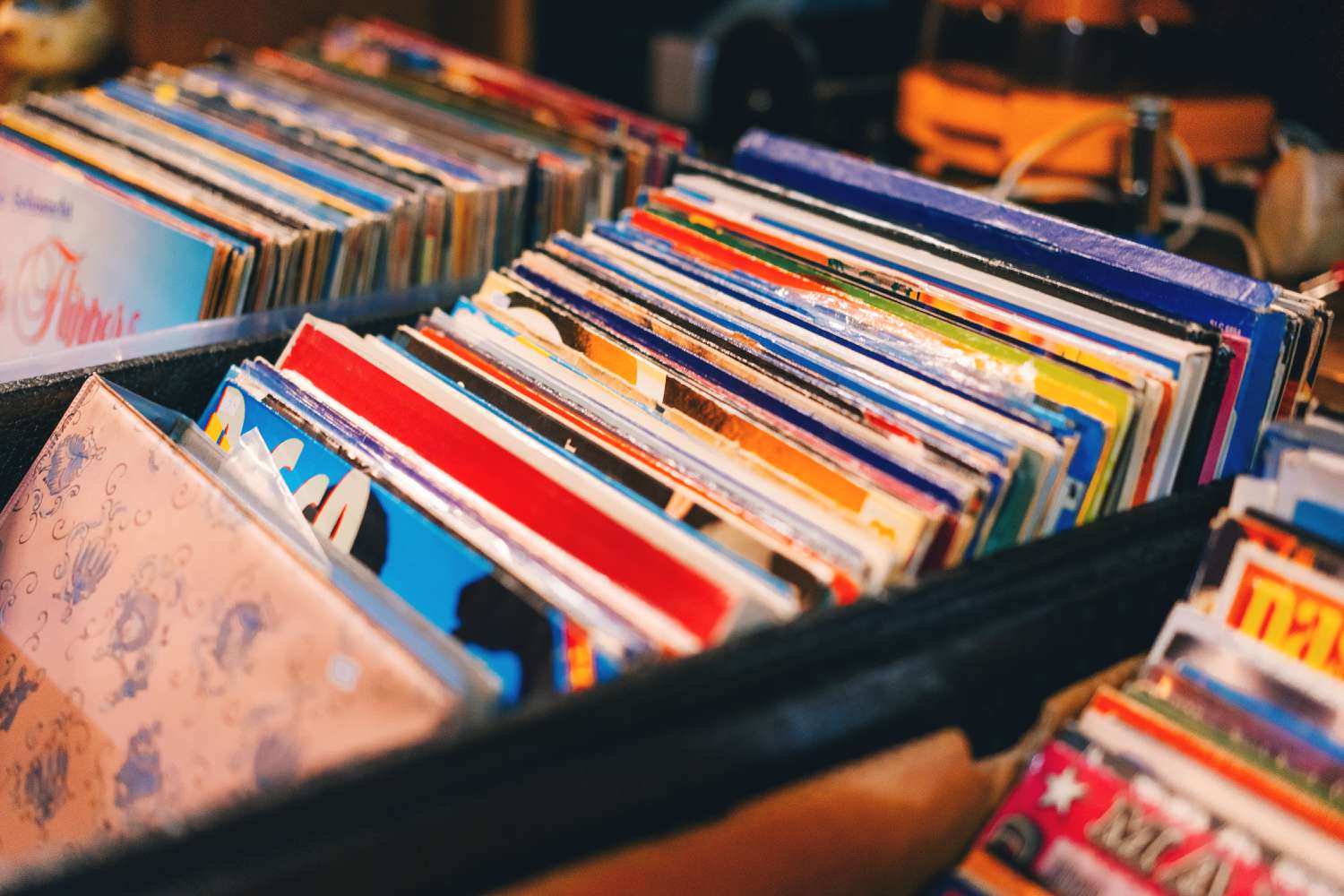
Les chansons engagées sont populaires du début des années 60 à 90, avant l’indépendance. Ce genre est populaire parmi les communautés noires opprimées ; qui chantent les difficultés qu’ils rencontrent pendant l’apartheid. Leurs chansons portent souvent des messages de paix, d’amour, de guerre, de valeurs familiales et d’amitié. La plupart des chansons sont enregistrées sur vinyle ou cassette. Ces chansons sont d’une grande importance pour la Namibie car elles racontent l’histoire du pays. Jackson Kaujeua, Ras Sheehama et Willie Mbuende sont quelques-uns des interprètes.
Le kwaito
Le kwaito est le genre le plus populaire en Namibie ; genre qui compte le plus d’interprètes et de fans. Le kwaito vient du pays voisin, l’Afrique du sud. Matongo Family, un trio considéré comme les pionniers du kwaito en Namibie, introduit le kwaito sur la scène namibienne en 1998. Guti fruits et feu Pablo interprètent également le genre suivi de The Dogg et Gazza. Le kwaito se popularise avec l’introduction d’autres artistes tels que Legg-Ghetto, EES, Sunny Boy, Qonja, Exit, Tre Van Die Kasie, OmPuff, Chipolopolo, OmZoo et PDK.
La plupart des artistes chantent dans leurs langues maternelles – l’oshiwambo, le nama, le kwangali et l’otjiherero – car ils estiment que le public peut facilement comprendre et s’identifier au message de la chanson. Une chanson peut contenir jusqu’à trois langues différentes et de l’argot. Ce genre de musique a valu au pays des prix de la plupart des concours de musique en dehors du pays ; grâce aux artistes tels que The Dogg, Gazza et EES. Les meilleurs albums de tous temps sont « Zula II Survive » interprété par Gazza (2004), « Take Out Yo Gun » de The Dogg (2004), « Koek n Jam » de Qonja (2006), « Y.B.G» de Sunny Boy (2005) et plus récemment « Go Hard or Go Home » d’ Exit (2013) et «Exodus» de Blacksheep (2014).
Le reggae et le dancehall
Le reggae émerge dans les années 70 avec Ras Sheehama, qui suit les traces des légendes Bob Marley et Lucky Dube. Les années 80 voient la formation du groupe We Culture, originaire d’un quartier informel situé à Katutura à Windhoek, la capitale de la Namibie. D’autres artistes tels que Petu, Ngatu, The Mighty Dreeds, Los Amadeus, Omidi d’Afrique, Shem Yetu et Organised rejoignent également le genre.
Aujourd’hui, le reggae namibien se caractérise par un tempo rapide, inspiré par les tendances du dancehall international particulièrement populaire parmi les jeunes. Des artistes tels que Mr. Simple, EES, PDK, Fishman, Gazza, Killa-B, Boet, Faizel MC ainsi que Star Dust sont associés à ce genre.
Le shambo
Le shambo est très populaire en Namibie, plus particulièrement dans les zones rurales. Le genre tire son nom de l’oshiwambo, « Shambo Shakambode ». Les artistes chantent la paix, la guerre, l’unité, l’amour, le respect et l’histoire. Le shambo est rendu populaire en Namibie en 2007 par Tate Buti, sa sœur Janice et Faizel MC avec leur chanson intitulée «Kwiku». La chanson est populaire dans les zones rurales aussi bien parmi d’autres communautés telles que les basters, les métisses et les blancs.
[video:https://www.youtube.com/watch?v=OrKDsubr99w autoplay:0]
En 2005 la société des compositeurs et auteurs de la Namibie (NASCAM) reconnait le shambo comme l’une des musiques folkloriques de la Namibie. Cette même année, le Sanlam-NBC Music Awards annuel inclut le shambo dans leurs catégories de prix, aujourdhui présente au prix annuel d’excellence en musique en Namibie (NAMA).
Le trio PDK, Olavi, Killa B, Castro, Faizel MC, Tunakie, Tate Kwela, D-Naff, Castro, Lonette Uupindi, Jackson Wahengo, Neslow, Nono et Om’Nenenhu Dazzle sont autant de noms à retenir.
Le gospel
Le gospel, également populaire en Namibie, débute dans les églises avec des reprises de chansons des artistes du gospel américain. L’artiste namibien primé, D-Naff est actuellement la voix la plus reconnue sur la scène locale du gospel en Namibie. D’autres artistes solos comprennent Mzedek, Edcens Ndjavera, Moritz Haraseb, Nashy Makoma, Dylan, Blessed Son, Ponti Dikuua, Sanet Lambrecht et Phillip.
Au cours des dernières années, le nombre de chorales d’églises accroit. Les plus connues sont Clive & The NOW Generation et Koi international Worship Choir. Pour aider à renforcer le genre, la Namibia Gospel Music Trust (NGMT) formée l’an dernier ; soutient et promet de propulser le genre vers de nouveaux sommets.
La musique afrikaans
La pop afrikaans est à l’origine influencée par la musique folklorique européenne. En Namibie, le genre est populaire parmi les communautés blanches. Les interprètes namibiens les plus populaires sont les sœurs namibiennes Nianell et Riana Nel, établies en Afrique du Sud où elles font carrière sur la scène de la pop afrikaans ; ainsi qu’un ancien concurrent du premier Big Brother Africa, Stefan Ludik et son frère Hugo Ludik. Araffath, MC-Ray, Michael, Phillip et Tabakanz sont quelques nouveaux talents de la pop afrikaans.
La musique afrikaans est également appréciée par quelques communautés noires, en particulier lorsque Tate Buti sort sa chanson primée « Ek wari 4kol » en 2012. On note également S-Man et Wambüseun, des rappeurs afrikaans noirs qui tentent de gagner un public noir.
Le R&B, la pop et l’afro-pop
Le damara punch est introduit par des artistes namibiens à savoir Stanley, Phura, Michael! Owos-OAB, Raphel et Pele. Ce genre est également connu sous le nom de Ma / Gaisa. Le genre est dérivé de la musique traditionnelle damara et est principalement chanté en khoekhoegowab. Les artistes Ma/Gaisa surprennent les amateurs de musique avec leur remarquable capacité à composer des chansons hors du temps. Leurs chants parlent souvent des gens qui veulent briser leur mariage, des mauvaises langues et des profiteurs. On note dans le même registre Dixon, Tate Buti, Female Donkey, Brumelda et Damara DikDing.
Le R&B, la pop et l’afro-pop
Le R&B est populaire en Namibie depuis les années 90. Peu après la naissance du genre en Namibie, plusieurs artistes se lancent dans la pop et l’afro-pop qui ressemblent au R&B. L’industrie de la musique namibienne compte des artistes de la pop notamment l’ancien duo primé Gal Level, Tequila, African Boy, Christi Nomath Warner, Lady May, Big Ben, Jewelz, Lil D, Rodger, Jossy Joss, Floritha et Chikune.
La house
La house est ‘le petit nouveau’ sur la scène de la musique namibienne. Cette musique acquiert une certaine réputation dans les discothèques où les DJs commencent à mixer de la house internationale, y compris la house sud-africaine contribuant à l’évolution du genre en Namibie. DJ Kboz est l’un des premiers DJs namibien de la house à rencontrer le succès. Il sort un album intitulé Strictly Street House, Volume 1 en 2007. L’industrie a depuis grandi, comme le témoignent les titres de Gazza, Mr. Makoya, Sally, Lady May, Leggetho, Mushe, Exit, Mr Simple, 4 × 4, Linda et Omsaane Niihana. Le genre est particulièrement populaire auprès des jeunes.
Le hip-hop
Le hip-hop est un autre genre qui est particulièrement populaire parmi les jeunes en Namibie. Le hip-hop namibien s’inspire des rappeurs américains populaires tels Tupac Shakur, Nas, Jay – Z, Snoop Dogg et Eminem. Contrairement aux américains qui rappent ou chantent en anglais, certains artistes namibiens préfèrent chanter dans leurs langues autochtones, y compris l’oshiwambo et le nama. Jericho, Kanibal, Dice #1 Stunner, Snazzy, Shikololo, Fidel O’del, Pablo, Dore, Kanibal, Catty Catt, S-Man, OmPuff, D-Jay, KK, Laukey, Krespo, Lil’ D, Black Vulcanite et Naughty Crew sont quelques-uns des rappeurs namibiens connus.
Malgré la diversité des genres musicaux populaires en Namibie, il n’existe aucune maison de disques ou infrastructure de distribution. En conséquence, les artistes namibiens signent souvent avec des labels sud-africains ou d’autres labels étrangers pour la distribution de leur musique en dehors du pays.



