















NEFCISA
NEFCISA

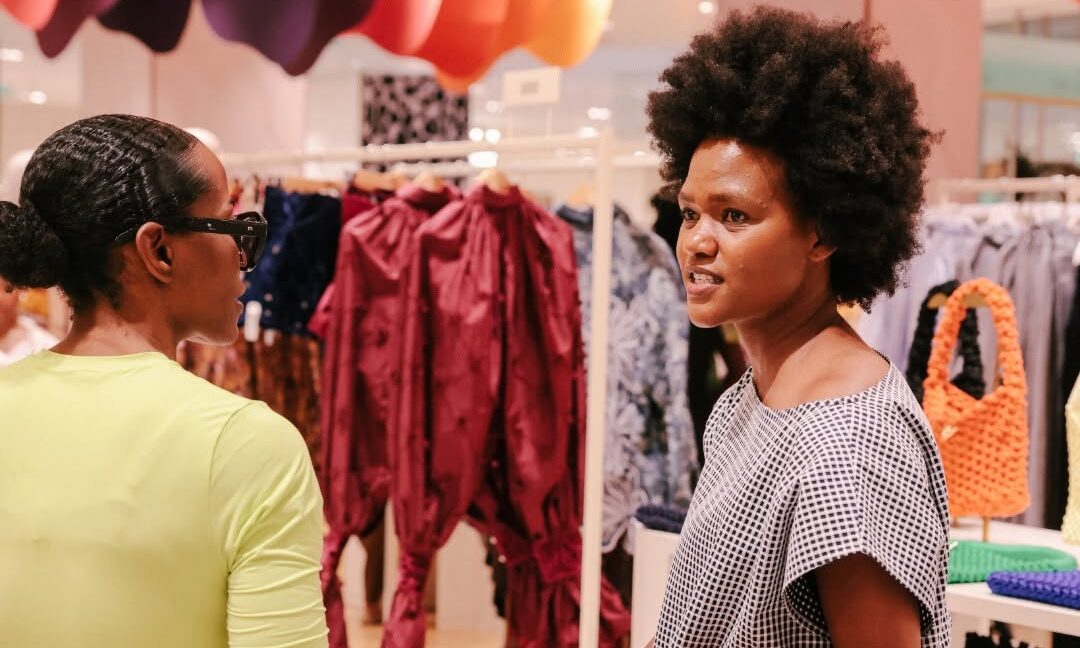
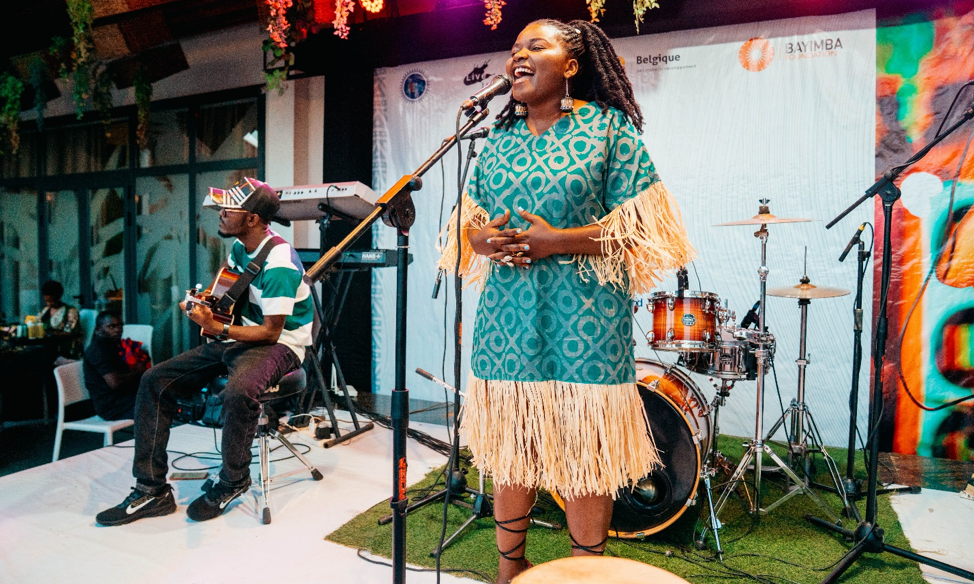
The Music In Africa Foundation (MIAF) is proud of its partnership with the Industrial Development Corporation (IDC) as a Strategic Implementing Partner (SIP) for its Social Employment Fund (SEF). Through this collaboration, MIAF is running a national programme that is creating jobs, addressing skills gaps, and strengthening South Africa's creative industries — in line with the SEF's overarching goal to generate work for the common good and build community value through employment, social contribution, and inclusive economic participation. Operating under the banner NEFCISA (National Employment Facility for Creative Industries in South Africa), the initiative is recruiting and training participants, matching them with host organisations, and has already placed 1 500 workers across the country — surpassing its original target of 1 000. NEFCISA is delivered through a network of 20 host organisations spanning five provinces, who are actively hosting participants and contributing to work for the common good across South Africa's creative and cultural industries. Key Objectives: Support employment and entrepreneurship in the creative industries. Offer skills development and training programmes. Foster partnerships between public and private creative sectors. Promote South African creativity at both provincial and national levels Foster community development through social contribution.

ACCES
ACCES

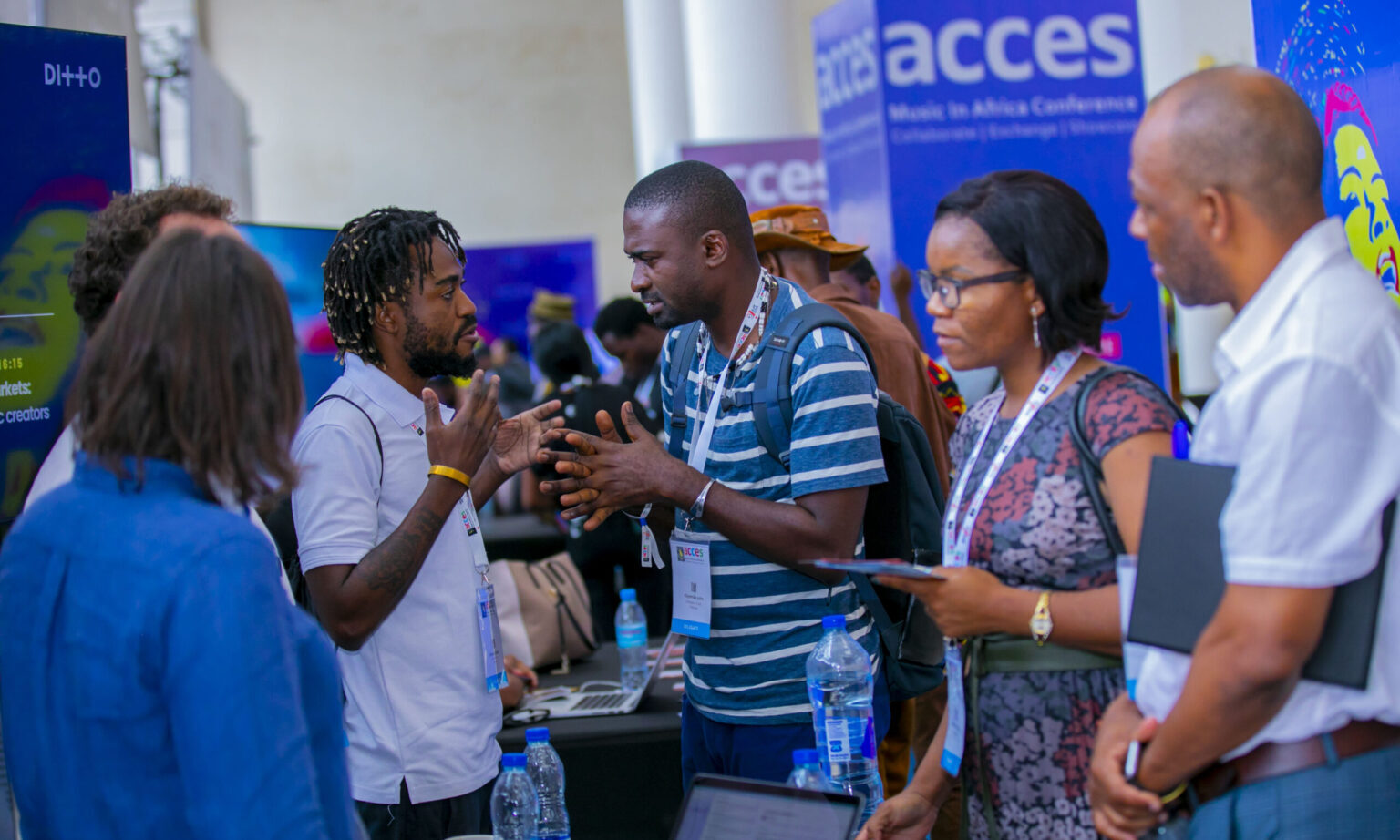
ACCES Conference and Showcase Festival is Africa's leading music industry gathering, bringing together the people shaping the future of the continent's music business. Artists, entrepreneurs, executives, investors, policymakers and cultural leaders from across Africa and around the world come to ACCES to build partnerships, exchange ideas, discover talent and create new business opportunities. Since its launch in 2017, ACCES has become the continent's premier platform for professional exchange and music market development. Combining a high-level conference with a curated showcase festival, networking, exhibitions and industry programmes, ACCES offers a unique space where creativity meets business and where African music connects with the global industry.

Gender@Work
Gender@Work

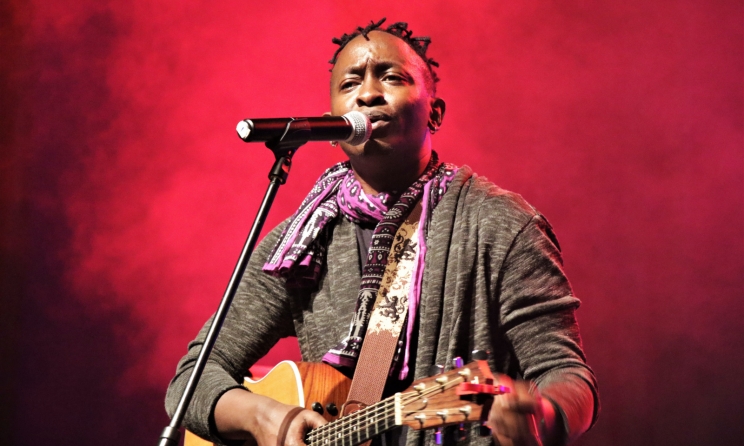
Music In Africa Gender @ Work is a three-year training programme aimed at upskilling and increasing the participation of female professionals in the African music sector. Launched by the Music In Africa Foundation (MIAF) in April 2019, the programme is connected to the MIAF’s ACCES music conference – a pan-African event held in a different African country every year. This connection enables the programme to reach new participants in a different African country every year. The programme marks the beginning of a more concerted effort by the Foundation to support the participation and inclusion of women in all facets of its programmes and the music sector in Africa as a whole. Over the three years, the programme will aim to address gender imbalances in the sector through training, lobbying, facilitating knowledge exchange and dialogues that foster the interest of women. The broader objectives of the programme are to: Provide industry training for women on critical music industry skills, focusing on: Stage management Electronic music production and recording Music business management Technical knowledge Provide an opportunity for both professional and aspiring women to benefit from the Music In Africa network and its broad range of activities in 2019, 2020 and 2021. Provide a solution-based platform in the form of a round table at ACCES with a view to identify challenges, discuss opportunities and lobby for the interests of female practitioners. Offer participants the opportunity to benefit from programmes offered by MIAF’s partners. Increase access to educational materials. Integrate participants in the broader ACCES programme to maximise experience and exposure to the industry. Record and present training materials on the www.musicinafrica.net, including but not limited to tutorials, templates and other best-practice materials. Communicate women-based themes that support the initiatives and messages of the programme. MAIN TRAINING ACTIVITIES Training in first country (Ghana): In the first year, participants will be trained on all aspects of stage management by a team of experienced stage managers from 10 to 17 November 2019. The programme will offer robust classroom training as well as practical, hands-on training in which participants will also be given the opportunity to manage various aspects of the ACCES performance programme. Training in second country: The second training iteration will take place at ACCES 2020 when the programme will diversify its course to include music production lessons and training on other music business topics. A round-table platform will also be introduced to coincide with the ACCES programme. Training in third country: The third training iteration will take place at ACCES 2021 in a different country, offering an advanced course. HOW DO YOU GET INVOLVED?  As a participant, facilitator or trainer: The programme enrolls up to 12 trainees every year. All opportunities are advertised publicly on this website, and will be added to this page. Please keep checking this page for new calls (below under UPDATES & CURRENT OPPORTUNITIES). As a partner Please contact Claire Metais at [email protected]. APPLY The call for applications for 2020 will be announced soon. The Music In Africa Gender @ Work programme is made possible with the support of the Prince Claus Fund, Siemens Stiftung and Goethe-Institut.

Sound Connects Fund
Sound Connects Fund

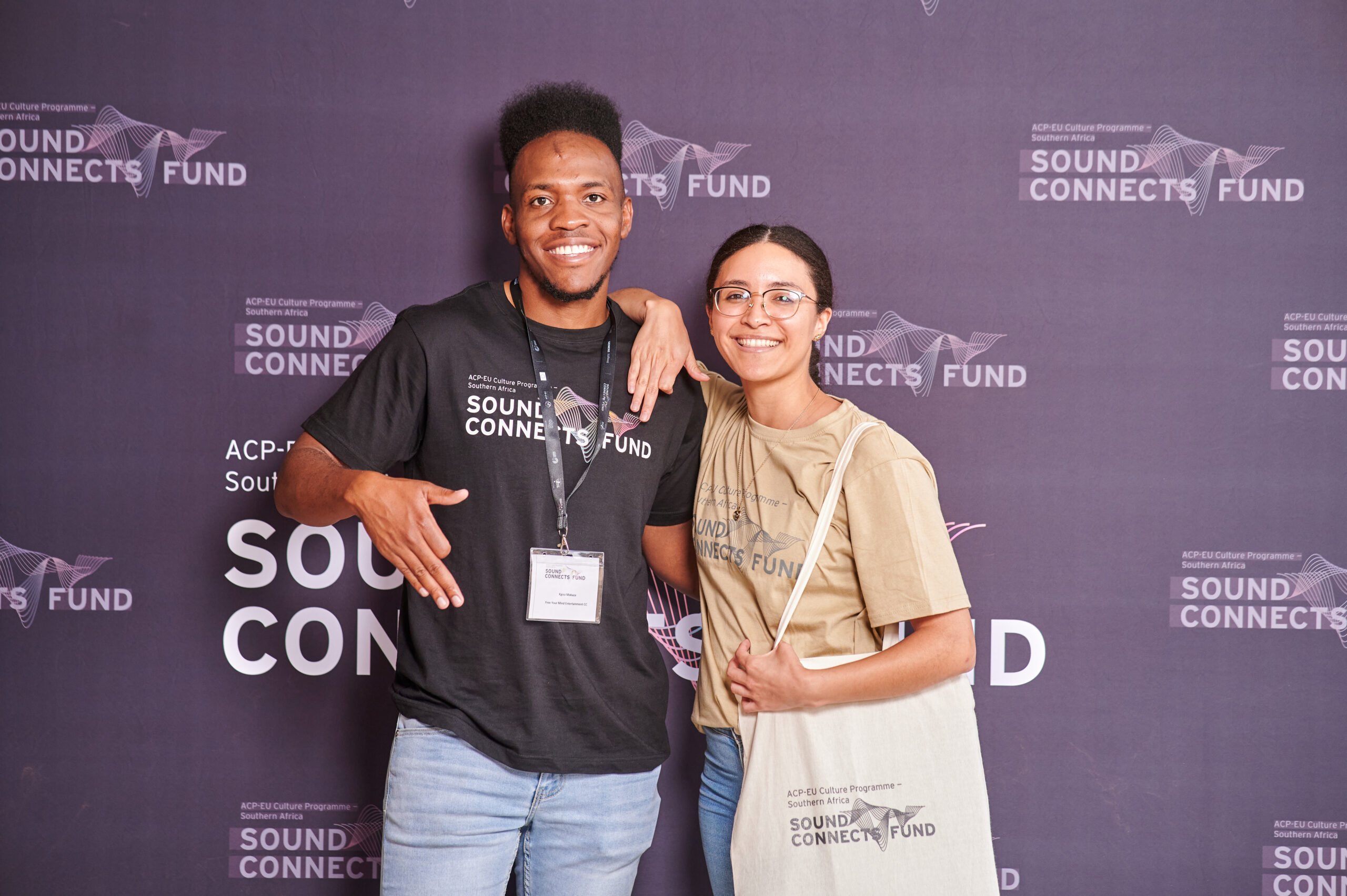
For cultural and creative practitioners and organisations operating in southern Africa, access to funding remains a major challenge. The COVID-19 pandemic has also had a massive impact on government policy, spending and the economy in general, and has seen spending on culture being moved further down the list of priorities. Further, the cultural and creative industries repeatedly cite four main areas where investment is needed for growth, which are increased visibility, mobility including access to new markets, finance and support structures.

Instrument Building And Repair Project

Experience the Vibrations African Instruments Exhibition online in 3D

banner image

Pourquoi l'afrobeats a conquis le monde - partie 2

Home/Non classé/Pourquoi l’afrobeats a conquis le monde – partie 2

Je disais tantôt que les Nigérians sont bien installés à travers le monde ; cela commence ici même en Afrique. Dans tous les pays anglo-saxons du continent, il y a une forte communauté nigériane. À Kumba (Cameroun) par exemple, où Naira Marley était attendu, il y a beaucoup de Nigérians – ils sont là depuis des décennies. Ils se sont mariés à nos soeurs et ont épousé nos cultures par la même occasion. 

Aux États-Unis et au Royaume Uni, ils brillent ! Les leaders afros du son urbain anglais, des gars comme Kojo Funds, Yxng Bane, J Hus, Not3s, des légendes comme Skepta (le mari de la chanteuse Adèle) pionnier du Grime au Royaume-Uni, ou encore Stormzy, sont tous d’origine nigériane. 

Cette diaspora stratégiquement installée à travers le monde sert de relais au phénomène pop urbain naija. Aussi, les voyages aident les nigérians à s’enrichir culturellement. Burna Boy par exemple, a su développer une fusion des rythmes d’Afrique à la musique urbaine du Royaume-Uni (où il a grandi). Ce travail lui a permis de toucher à la fois le public mainstream anglais, les afro-européens et les Nigérians. Cette démarche artistique est presque la même pour Wizkid et Davido. 

[video:https://www.youtube.com/watch?v=4YvzTizFakk width:850 height:480 autoplay:0]

Nous revenons donc à ce que j’avais déjà dit plus haut dans cette analyse, le succès de la pop naija n’est pas le fruit d’un heureux hasard, mais bien le résultat d’une stratégie mûrie et développée avec d’importantes ressources.

Le Nigeria a si bien réussi son coup que même une puissance comme l’Afrique du Sud ne peut que saluer son hégémonie sur le continent africain et son influence dans le monde.

Pour certains des détracteurs de la pop naija chez nous au Cameroun, rester insensible à cette musique pourrait réduire son impact.

Mais je me demande seulement comment notre public pourrait rester insensible à cette force de la nature, quand il y a une absence notoire de catalogue musical urbain local ? Où sont les albums ? Où sont les projets ? Comment ça se fait que depuis presque 5 ans, ce sont les mêmes que l’on ne cesse d’entendre alors qu’au Nigeria voisin, dans la même période, les prodiges se sont multipliés pour poursuivre l’oeuvre des pionniers – je parle là de créateurs comme Burna Boy, Joeboy, Naira Marley, Temi et tout le reste du cortège, qui empilent des millions par dizaines. Où est la rèlève chez nous ?

Ceci devrait être un cas d’école. Plutôt que de nous passer d’un son mainstream qui fait les tendances en ce 21e siècle où tout le monde est connecté, nous devons plutôt essayer de nous approprier le business-model naija qui fonctionne bien et tenter de l’appliquer comme nous pouvons. C’est ce que d’autres entreprennent, à l’instar du Congo.

[video:https://www.youtube.com/watch?v=C_XkTKoDI18 width:850 height:480 autoplay:0]

Comment Fally a-t-il réussi à se hisser à un tel niveau ? Innoss’B qui s’est lancé récemment, a atteint un tel sommet qu’il ne supporte même plus les comparaisons avec des artistes de sa promotion sur la scène afro-francophone. Pour la petite histoire, il était tout irrité récemment parce que quelqu’un a osé le mettre à égalité avec Kerozen de la Côte d’Ivoire (rires).

Le Congo a développé sa sonorité authentique et ses créateurs sont désormais en odeur de sainteté avec la diaspora, tout cela, sachant que 90% de la scène actuelle française et belge est d’origine congolaise. Je vous laisse imaginer le tremplin que ça représente pour les artistes de ce pays… 

En gros, si la musique urbaine camerounaise veut avoir de meilleurs jours, elle doit impérativement : 

  • Définir et solidifier davantage son identité musicale afro-urbaine, en se basant sur ses rythmes folkloriques et en axant les créations sur une hybridation à coloration afro-urbaine. Cela s’impose pour être mainstream sur le continent et ailleurs. 
  • Construire un catalogue musical urbain. Il faut revenir à la culture du label, car ce sont les labels indépendants qui boostent la transformation structurelle d’une industrie musicale. 

Où est passée la période où Big Dreams proposait du bon à gauche, tandis que New Bell Music et Alpha Betta le faisaient à droite ?

Comment expliquer que les labels indépendants soient autant à l’agonie alors qu’il y a plus que jamais de talents à produire ? Qu’est-ce qui manque ? Les moyens ? 

Et quand des comédiens/youtubeurs se lancent dans les parodies musicales, tout le monde leur tombe dessus et leur reproche de saboter la musique camerounaise. Mais ont-ils tort ?

[video:https://www.youtube.com/watch?v=CQP-etYU1ps width:850 height:480 autoplay:0]

La situation de la scène musicale camerounaise est semblable à celle d’un parent fortuné, qui est à la tête d’un vaste patrimoine immobilier, et dont les enfants sont indigents. Cela n’a aucun sens ! 

Une autre donnée importante selon mon analyse, et non des moindres pour le développement de notre musique, est celle de la réconciliation. La diaspora camerounaise doit s’impliquer dans ce processus de construction et se solidariser à la scène locale. Il faut le dire, les Camerounais sont presque partout à travers le monde eux-aussi, et cette présence est à exploiter pour propulser les créateurs locaux.

Aussi, la population camerounaise est essentiellement jeune et le taux de pénétration d’Internet, quoique plus faible qu’au Nigeria, ne cesse de grimper ces dernières années – autant d’atouts que l’on devrait capitaliser avec des stratégies optimales. 

Multiplier les collaborations pertinentes est une autre exigence pour faire avancer les choses. Avoir Salatiel, Stanley Enow ou encore Daphné chez nous et ne jamais les voir s’associer, c’est d’une abérration consternante à mon sens. Nous sommes peu nombreux et nous voulons tout de même évoluer en rang dispersé… 

En résumé, ce mouvement anti-pop naija n’est que simple distraction. Bannir la musique nigériane au Cameroun n’est certainement pas une solution si l’on refuse de toucher du doigt le vrai problème.

Si on adopte les bonnes stratégies dès maintenant, avec toutes les nouvelles ressources que cette génération a et dont le Nigeria ne disposait pas à l’époque, on pourrait avoir de belles retombées dès demain ; on n’aura vraiment pas besoin d’attendre une toute une décennie pour ça.

[video:https://www.youtube.com/watch?v=tUvF7yj531A width:850 height:480 autoplay:0]

newsletter banner

Subscribe to our monthly Newsletter

Follow us on social media