





















NEFCISA
NEFCISA

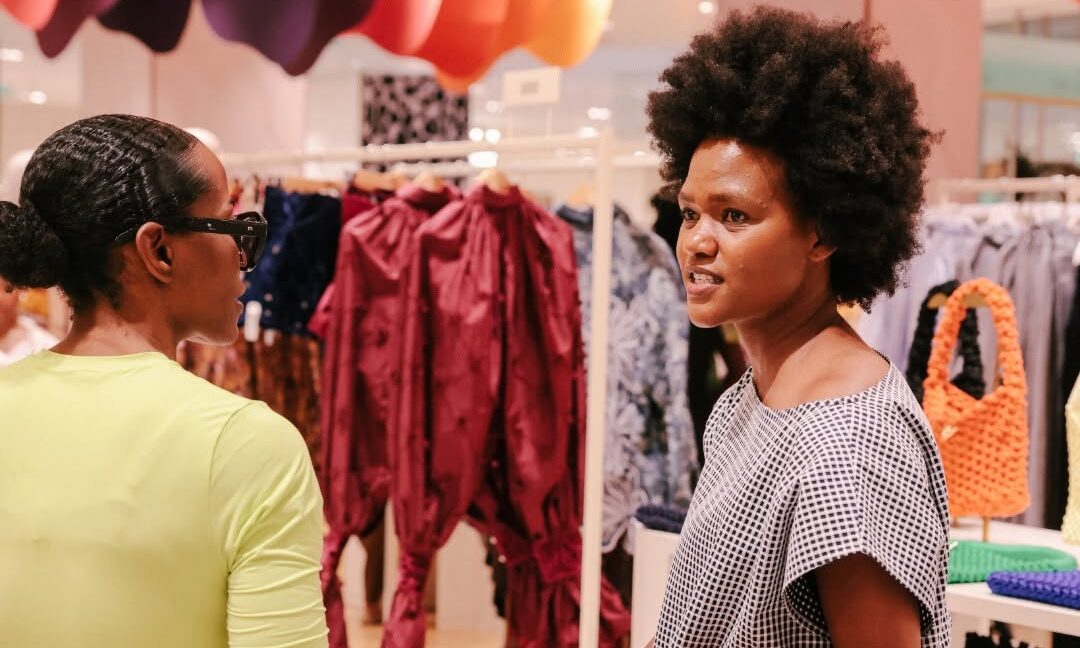
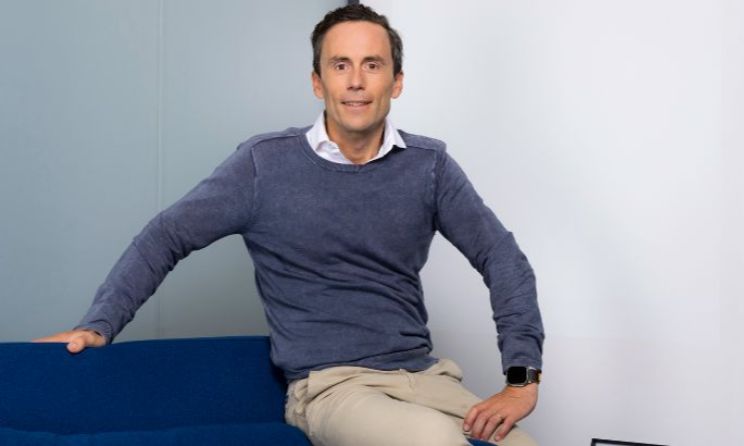
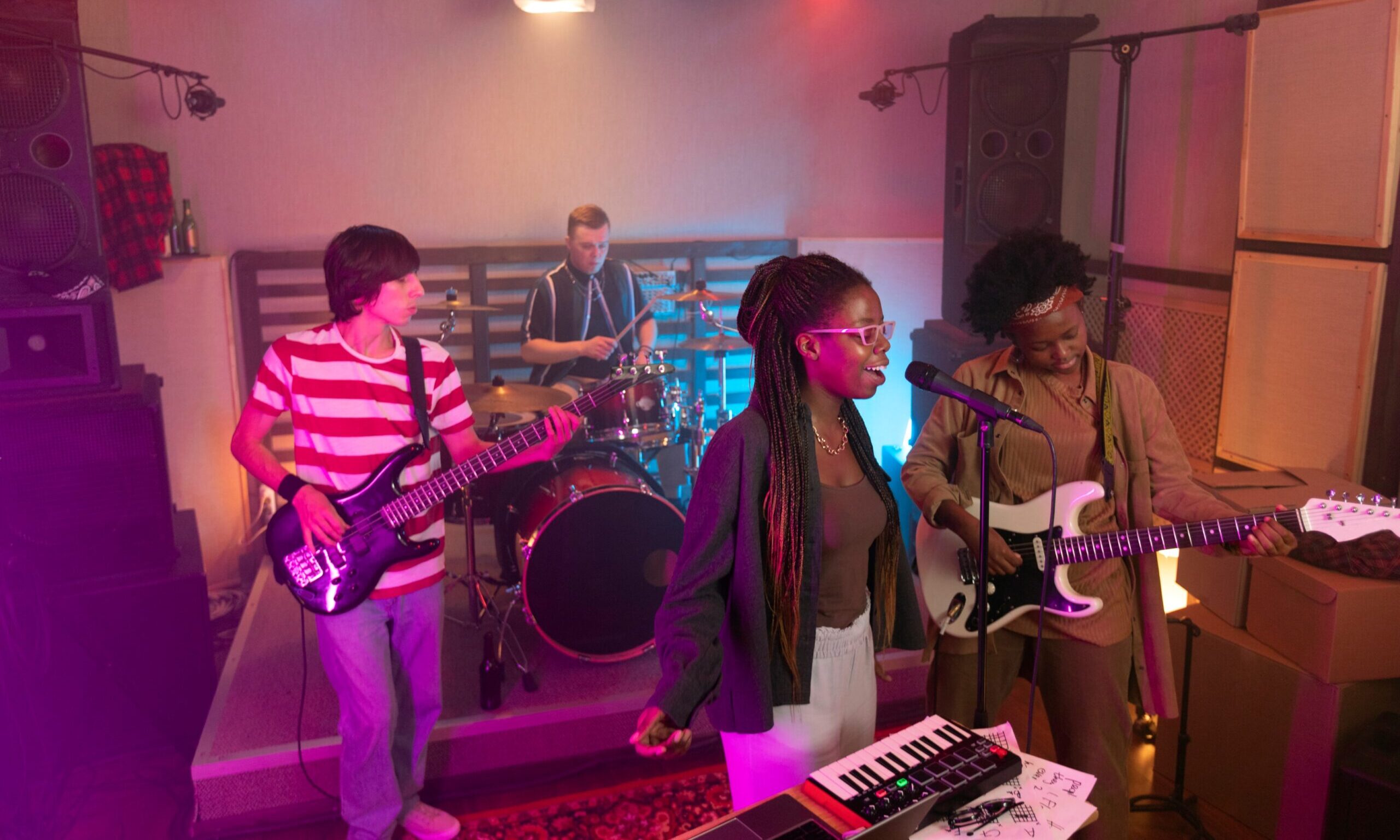
The Music In Africa Foundation (MIAF) is proud of its partnership with the Industrial Development Corporation (IDC) as a Strategic Implementing Partner (SIP) for its Social Employment Fund (SEF). Through this collaboration, MIAF is running a national programme that is creating jobs, addressing skills gaps, and strengthening South Africa's creative industries — in line with the SEF's overarching goal to generate work for the common good and build community value through employment, social contribution, and inclusive economic participation. Operating under the banner NEFCISA (National Employment Facility for Creative Industries in South Africa), the initiative is recruiting and training participants, matching them with host organisations, and has already placed 1 500 workers across the country — surpassing its original target of 1 000. NEFCISA is delivered through a network of 20 host organisations spanning five provinces, who are actively hosting participants and contributing to work for the common good across South Africa's creative and cultural industries. Key Objectives: Support employment and entrepreneurship in the creative industries. Offer skills development and training programmes. Foster partnerships between public and private creative sectors. Promote South African creativity at both provincial and national levels Foster community development through social contribution.

ACCES
ACCES

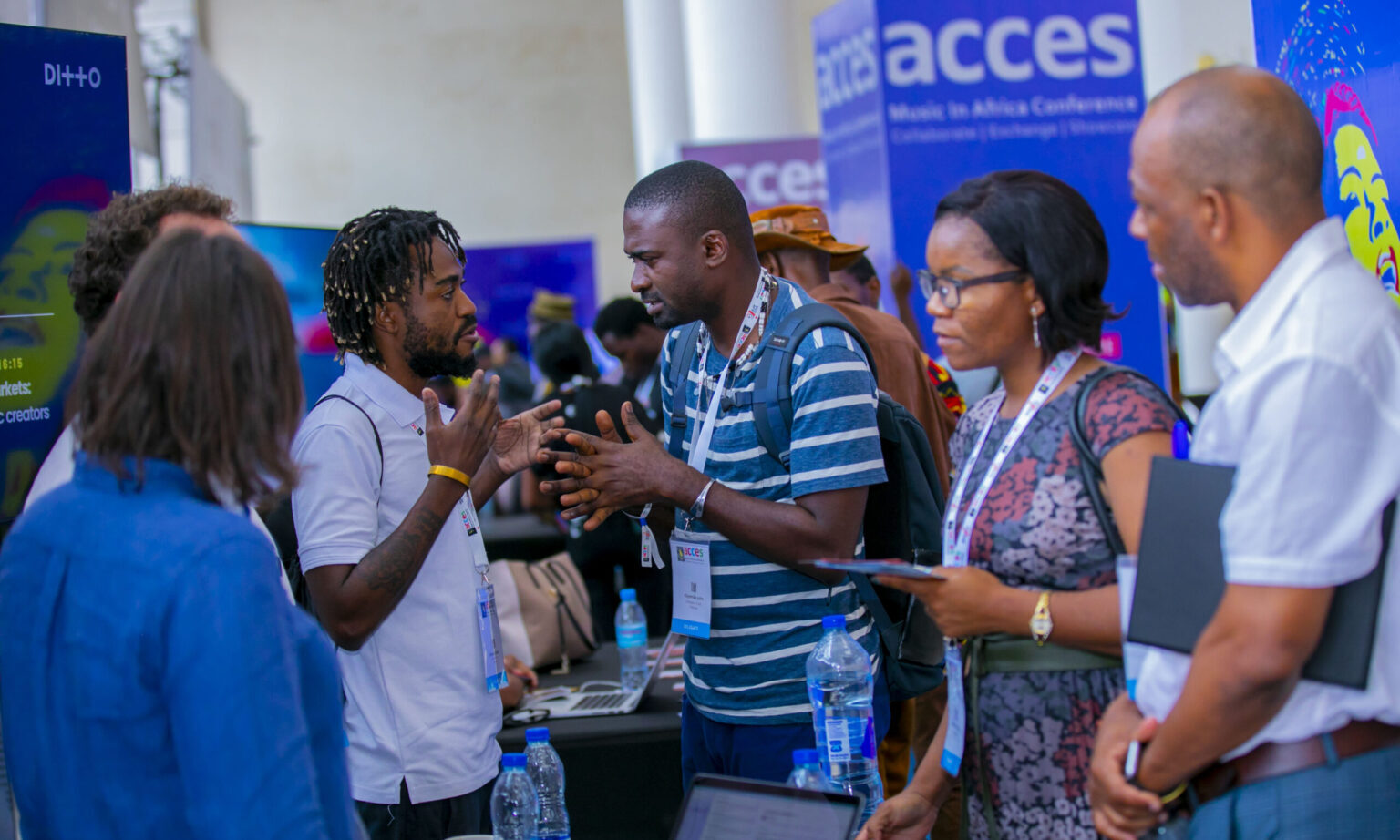
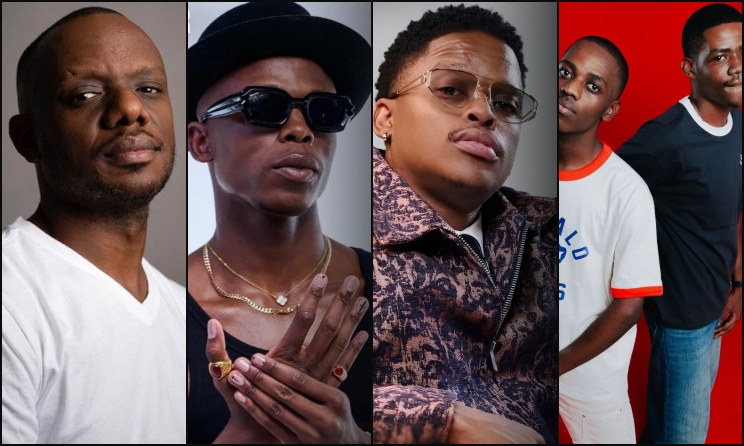
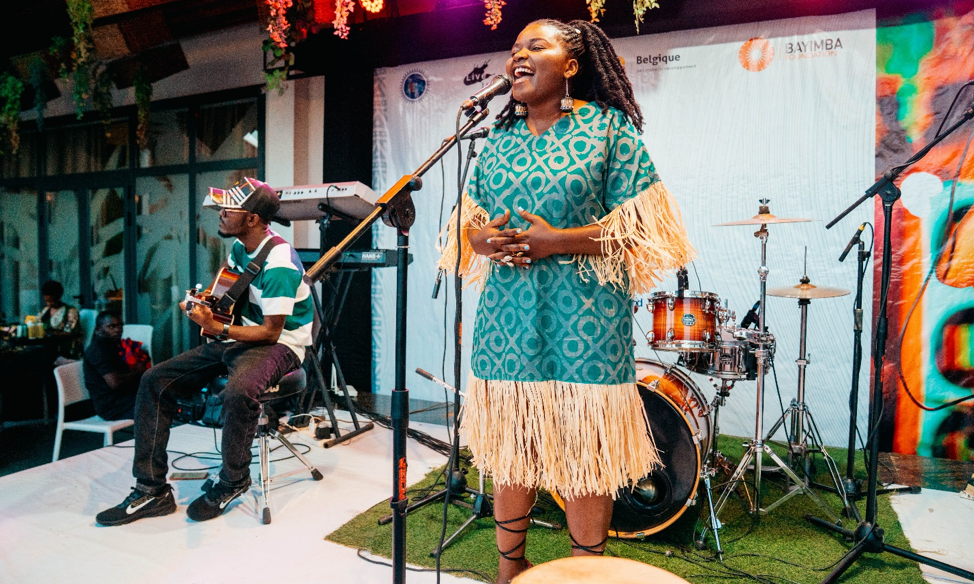
ACCES Conference and Showcase Festival is Africa's leading music industry gathering, bringing together the people shaping the future of the continent's music business. Artists, entrepreneurs, executives, investors, policymakers and cultural leaders from across Africa and around the world come to ACCES to build partnerships, exchange ideas, discover talent and create new business opportunities. Since its launch in 2017, ACCES has become the continent's premier platform for professional exchange and music market development. Combining a high-level conference with a curated showcase festival, networking, exhibitions and industry programmes, ACCES offers a unique space where creativity meets business and where African music connects with the global industry.

Gender@Work
Gender@Work

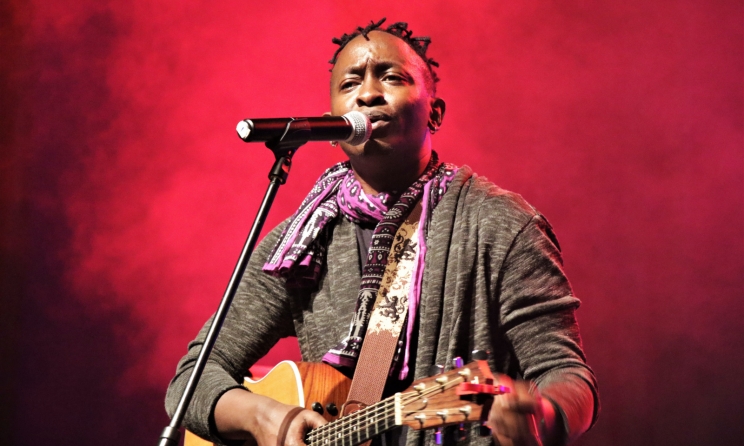
Music In Africa Gender @ Work is a three-year training programme aimed at upskilling and increasing the participation of female professionals in the African music sector. Launched by the Music In Africa Foundation (MIAF) in April 2019, the programme is connected to the MIAF’s ACCES music conference – a pan-African event held in a different African country every year. This connection enables the programme to reach new participants in a different African country every year. The programme marks the beginning of a more concerted effort by the Foundation to support the participation and inclusion of women in all facets of its programmes and the music sector in Africa as a whole. Over the three years, the programme will aim to address gender imbalances in the sector through training, lobbying, facilitating knowledge exchange and dialogues that foster the interest of women. The broader objectives of the programme are to: Provide industry training for women on critical music industry skills, focusing on: Stage management Electronic music production and recording Music business management Technical knowledge Provide an opportunity for both professional and aspiring women to benefit from the Music In Africa network and its broad range of activities in 2019, 2020 and 2021. Provide a solution-based platform in the form of a round table at ACCES with a view to identify challenges, discuss opportunities and lobby for the interests of female practitioners. Offer participants the opportunity to benefit from programmes offered by MIAF’s partners. Increase access to educational materials. Integrate participants in the broader ACCES programme to maximise experience and exposure to the industry. Record and present training materials on the www.musicinafrica.net, including but not limited to tutorials, templates and other best-practice materials. Communicate women-based themes that support the initiatives and messages of the programme. MAIN TRAINING ACTIVITIES Training in first country (Ghana): In the first year, participants will be trained on all aspects of stage management by a team of experienced stage managers from 10 to 17 November 2019. The programme will offer robust classroom training as well as practical, hands-on training in which participants will also be given the opportunity to manage various aspects of the ACCES performance programme. Training in second country: The second training iteration will take place at ACCES 2020 when the programme will diversify its course to include music production lessons and training on other music business topics. A round-table platform will also be introduced to coincide with the ACCES programme. Training in third country: The third training iteration will take place at ACCES 2021 in a different country, offering an advanced course. HOW DO YOU GET INVOLVED?  As a participant, facilitator or trainer: The programme enrolls up to 12 trainees every year. All opportunities are advertised publicly on this website, and will be added to this page. Please keep checking this page for new calls (below under UPDATES & CURRENT OPPORTUNITIES). As a partner Please contact Claire Metais at [email protected]. APPLY The call for applications for 2020 will be announced soon. The Music In Africa Gender @ Work programme is made possible with the support of the Prince Claus Fund, Siemens Stiftung and Goethe-Institut.

Sound Connects Fund
Sound Connects Fund

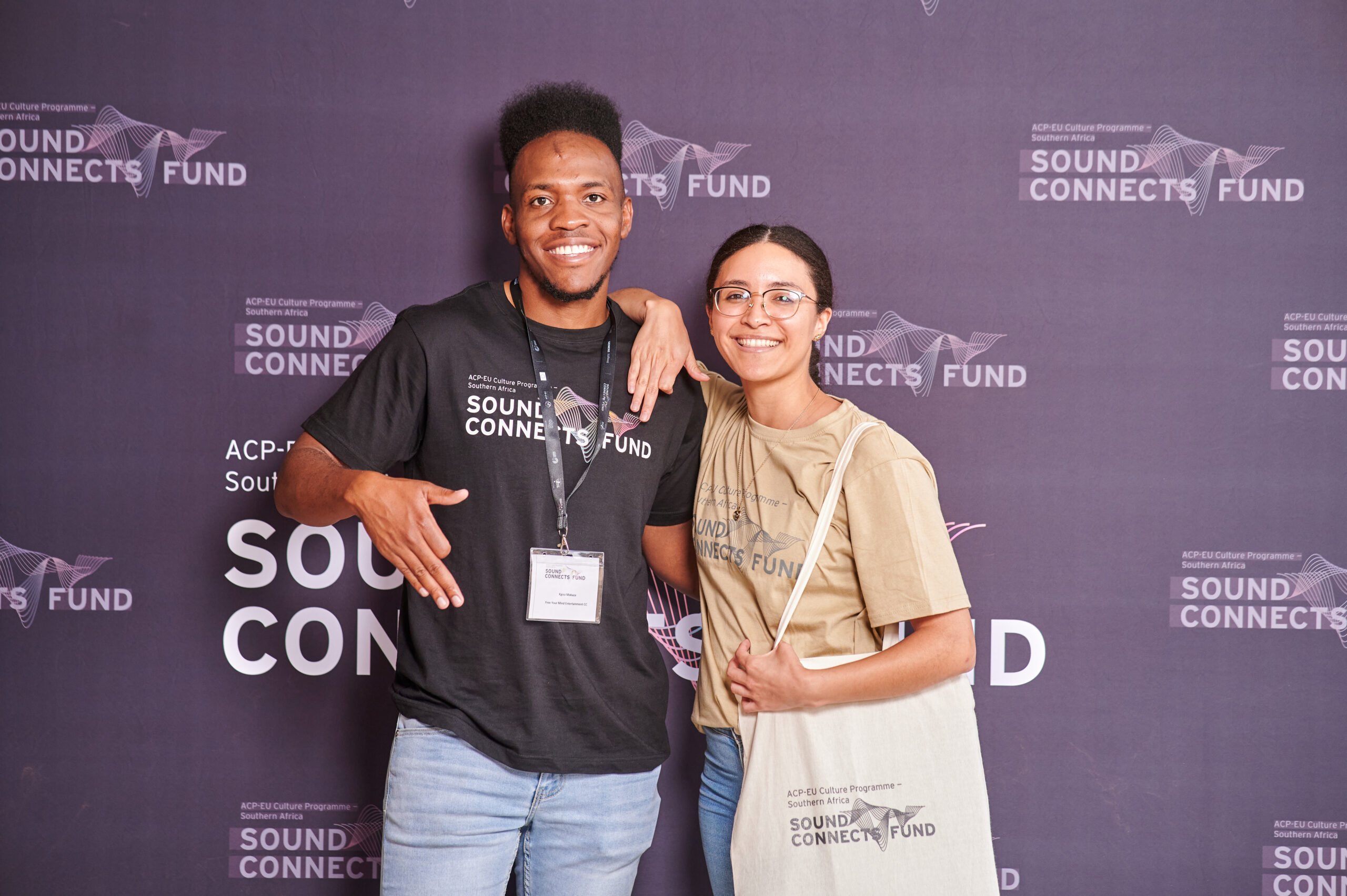
For cultural and creative practitioners and organisations operating in southern Africa, access to funding remains a major challenge. The COVID-19 pandemic has also had a massive impact on government policy, spending and the economy in general, and has seen spending on culture being moved further down the list of priorities. Further, the cultural and creative industries repeatedly cite four main areas where investment is needed for growth, which are increased visibility, mobility including access to new markets, finance and support structures.

Instrument Building And Repair Project

Experience the Vibrations African Instruments Exhibition online in 3D

banner image

Les femmes dans l’industrie musicale comorienne

Home/Non classé/Les femmes dans l’industrie musicale comorienne

Pour reprendre Damir Ben Ali « Tous, les domaines de la vie sociale et culturelle sont affectés par la séparation des sexes. Dans toutes les sociétés, au cours de l’histoire, la capacité de reproduction et la responsabilité de s’occuper de l’enfance humaine ont limité la liberté des mouvements de la femme. »

Les Comores n’échappent pas à la règle toutefois, par un système de « communautés qu’elles ont mis en place pour échapper aux contraintes quotidiennes et pouvoir s’exprimer, la femme comorienne a trouvé un moyen d’épanouir sa personnalité sociale et culturelle tout en contribuant à l’équilibre de la société.

Ainsi, la musique pour la femme comorienne du moins dans ses prémices s’exprime à travers des genres spécifiques qui sont dédiés à des activités ; en général, ces activités sont liées à des faits ou des événements du quotidien allant de l’accouchement aux berceuses par exemple, ou des crises affectant la communauté sociale (guerre, épidémie, catastrophes naturelles, etc.). Toutefois, et pour reprendre Moussa Said, on doit considérer que la musique fait partie intégrante de la société comorienne dans la mesure où elle rythme la vie quotidienne du comorien.

Détentrice du patrimoine, pivot de la solidarité familiale et sociale, la femme comorienne use de cette expérience en l’extériorisant dans des chansons dédiées où elles expriment aussi ses sentiments.

[video:https://www.youtube.com/watch?v=4ovygEoaPCQ width:744 height:446 align:center autoplay:0]

Il en sera ainsi pendant très longtemps jusqu’à l’aube de l’indépendance, où la société comorienne subit une mutation culturelle naît du mouvement nationaliste initié notamment par le PASOCO (Parti Socialiste des Comores) selon Moussa Said.

Ce courant s’exprimera à travers la musique surtout et plus particulièrement le mshago qui s’apparente au twarab et puisera des inspirations dans le jerk selon lui. Le mshago s’invitera sur les scènes twarab et contribuera d’ailleurs à l’essoufflement du genre.

Les femmes à l’instar des hommes, utiliseront le Mshago et la musique pour s’émanciper de cette image de gardienne de la tradition comorienne.

Ces interprétations prouvent s’il en est de l’importance de la femme dans la société comorienne. Jusqu’alors la musique n’est qu’un loisir, et même si les thématiques peuvent être fortement engagées, ce qui est souvent le cas, la musique demeure un art marginal.

[video:https://www.youtube.com/watch?v=Qp1ycrRFzJU width:744 height:446 align:center autoplay:0]

Le déclic viendra des années 70, avec l’ASEC avec Chamsia Sagaf basé en France. Chamsia Sagaf issue d’une famille aisée de Mistamiouli, chef-lieu du nord de la Grande Comore va rompre avec les traditions en interprétant justement en reprenant des morceaux traditionnels et en les réinterprétant en Afro-zouk. Ces chansons reviendront souvent sur l’éducation, l’émancipation des femmes ou encore l’amour.

On relèvera que le mouvement d’émancipation des femmes correspond à la manifestation des lycéens à Moroni en 1968.

Durant cette période, elle va enregistrer « Sarumaya mwigni hazi » en 1976 et « Chamama » en 1979 avec l’ASEC qui sont des odes à l’émancipation et à la révolution des mentalités et seront utilisés comme des instruments de propagande par l’ASEC.

Chamsia Sagaf deviendra par la suite la première femme à enregistrer un album studio en 1989 avec Studio 1. Inspirée des traditions comoriennes, elle intègrera les inspirations caribéennes du zouk et connaîtra un succès au-delà des frontières comoriennes ouvrant la voie à de nombreuses interprètes qui se lanceront dans le zouk dans un premier temps comme Naila, originaire, elle aussi, de Mitsamiouli qui sortira un album chez Majestic Studio de Said Ali Sultan ou encore Rouwaida, mais surtout à de nombreuses divas comme Samra, Zaza et bien d’autres dans la version moderne du twarab comme le dit Abdallah Chihabidinne, « le mshago ».

L’impact de Chamsia sur la musique comorienne est considérable grâce à son parcours et ses choix de carrière. Dans les années 2000, elle s’associera à la chanteuse ivoirienne à Monique Seka avec qui elle se produira à Paris tout en se faisant un nom dans le Zouk entamera des tournées dans les Antilles en 2008.

[video:https://www.youtube.com/watch?v=X1IErRzQM_E width:744 height:446 align:center autoplay:0]

Pour certaines comme Nawal, la musique s’inscrit au-delà de l’aspect commercial, fortement inspiré par les chants religieux et son côté mystique.

Au fil des années, la femme comorienne prend de l’assurance et ne se cantonne plus uniquement au Twarab, mais fait des incursions dans la contemporaine et les années 2000 voit émerger de nouveaux talents aux Comores à l’instar de Malha, Elykiah ou encore Norenna, rares sont celles qui ont sorti des albums, mais il est à gager que le parcours d’Imany sur la scène internationale en a inspiré plus d’une même si les sonorités comoriennes sont quasiment inexistantes comme le soulignent ses détracteurs.

Cependant, on retiendra son côté griot qui rappelle fortement le Hwimbia dans son interprétation ou alors on cherchera du côté de sa cadette Imane qui a grandi en France et qui fera une reprise de Chamsia Sagaf qui en a fait frémir plus d’un et qui nous promet un bel avenir pour la femme dans la musique comorienne sur la scène internationale.

[video:https://www.youtube.com/watch?v=sUG8yf93UO0 width:744 height:446 align:center autoplay:0]

Ressources :

[1] Musique et société aux Comores, Damir ben Ali. Éditions KomEDIT, https://editions-komedit.com/2020/02/19/musique-et-societe-aux-comores/
[2]  Studio 1, producteur de musique aux Comores, https://www.afrisson.com/studio-1-4508/
[3] Chamsia Sagaf, https://www.abidjan.net/qui/profil.asp?id=581
[4] Imany, https://imanymusic.com/fr/home/
[5]  Documenaire sur Imanehttps://www.youtube.com/watch?v=z0WQwpwwdbM&t=11s

Avertissement/Clause de non-responsabilité

Les aperçus de Music In Africa fournissent des informations générales sur les scènes de musique dans les pays africains. Music In Africa comprend que l’information contenue dans certains de ces textes pourrait devenir dépassée avec le temps. Si vous souhaitez fournir des informations plus récentes ou des corrections à l’un de nos textes, veuillez nous contacter sur [email protected]

 Édité par Walter Badibanga.

newsletter banner

Subscribe to our monthly Newsletter

Follow us on social media