
















NEFCISA
NEFCISA

The Music In Africa Foundation (MIAF) is proud of its partnership with the Industrial Development Corporation (IDC) as a Strategic Implementing Partner (SIP) for its Social Employment Fund (SEF). Through this collaboration, MIAF is running a national programme that is creating jobs, addressing skills gaps, and strengthening South Africa's creative industries — in line with the SEF's overarching goal to generate work for the common good and build community value through employment, social contribution, and inclusive economic participation. Operating under the banner NEFCISA (National Employment Facility for Creative Industries in South Africa), the initiative is recruiting and training participants, matching them with host organisations, and has already placed 1 500 workers across the country — surpassing its original target of 1 000. NEFCISA is delivered through a network of 20 host organisations spanning five provinces, who are actively hosting participants and contributing to work for the common good across South Africa's creative and cultural industries. Key Objectives: Support employment and entrepreneurship in the creative industries. Offer skills development and training programmes. Foster partnerships between public and private creative sectors. Promote South African creativity at both provincial and national levels Foster community development through social contribution.

ACCES
ACCES

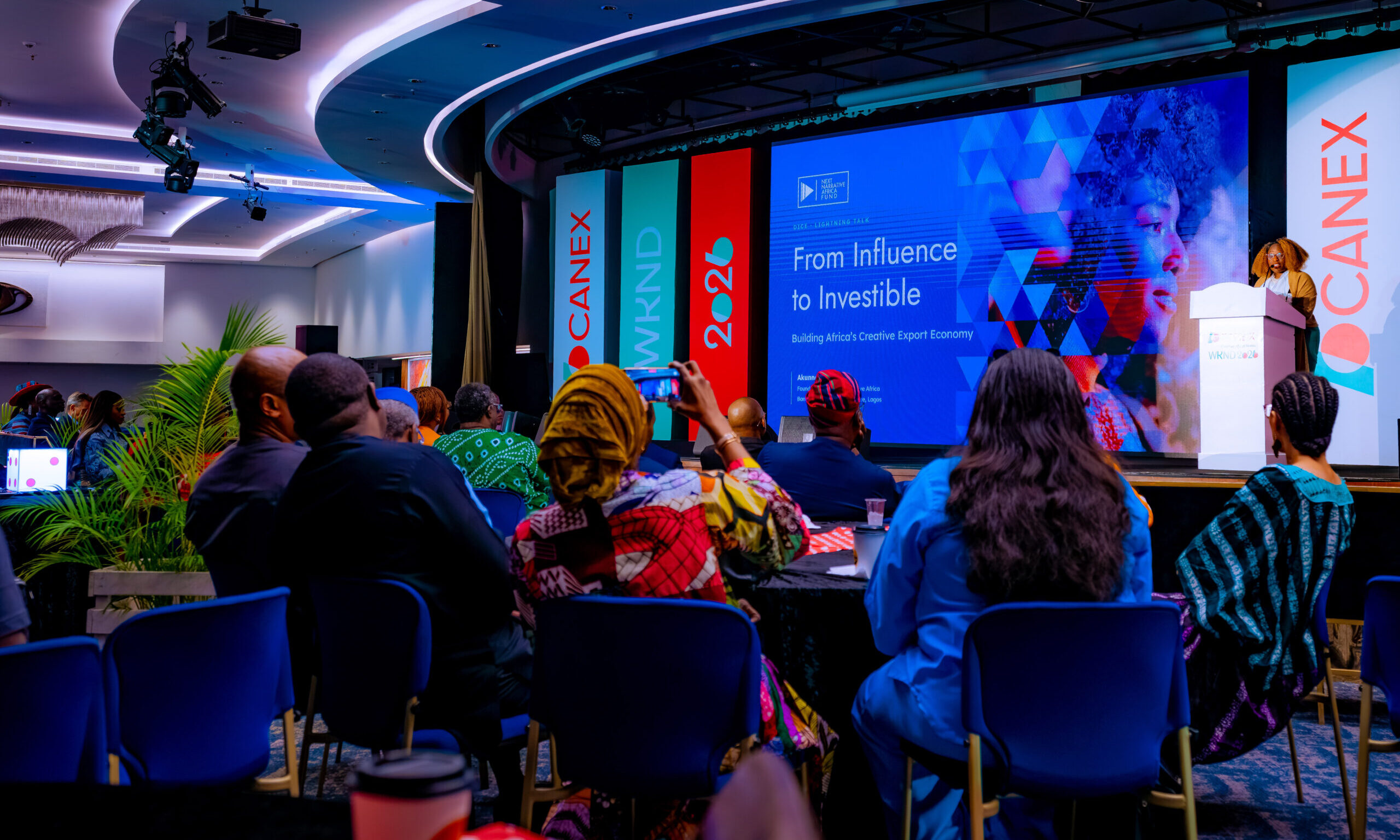
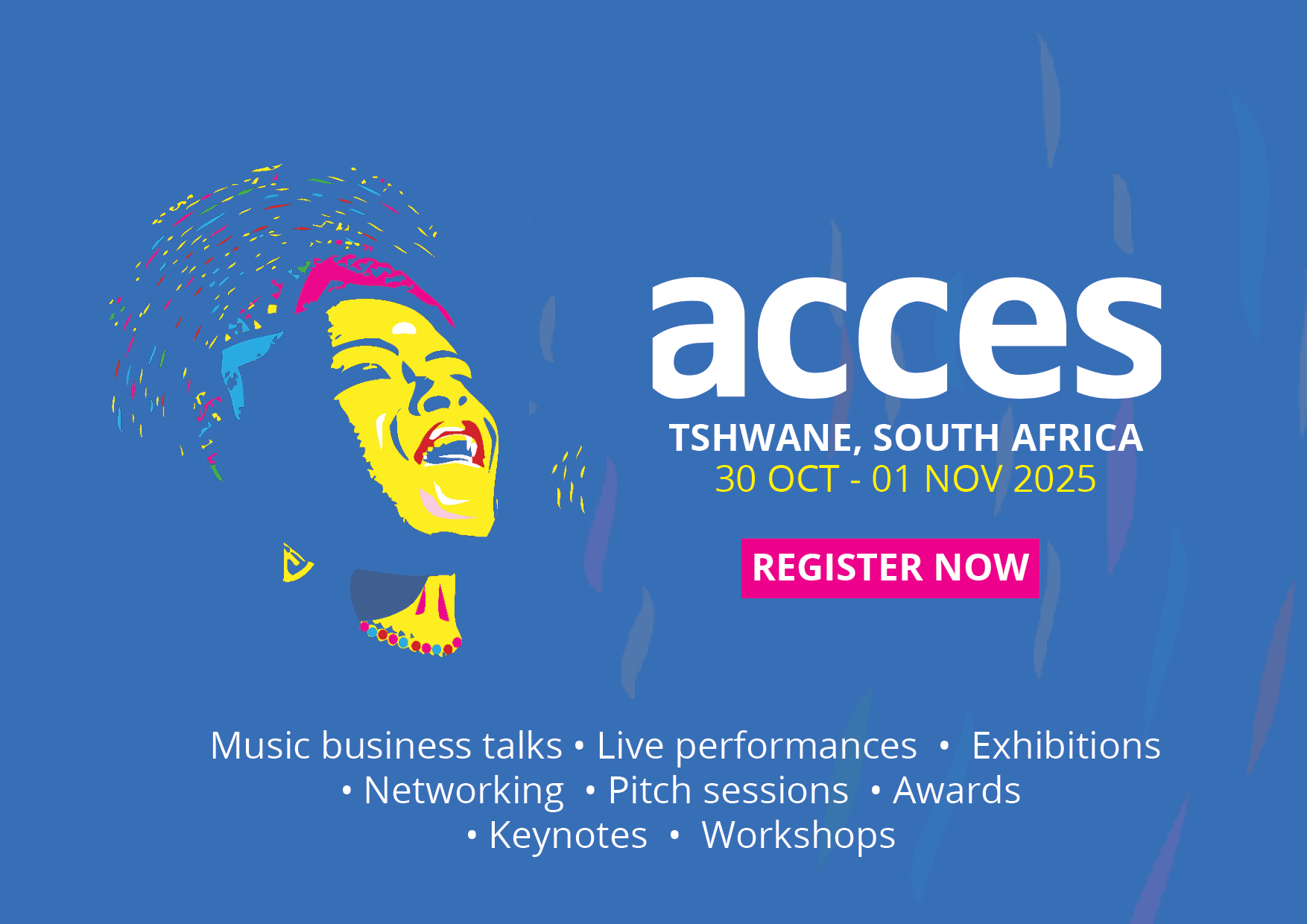
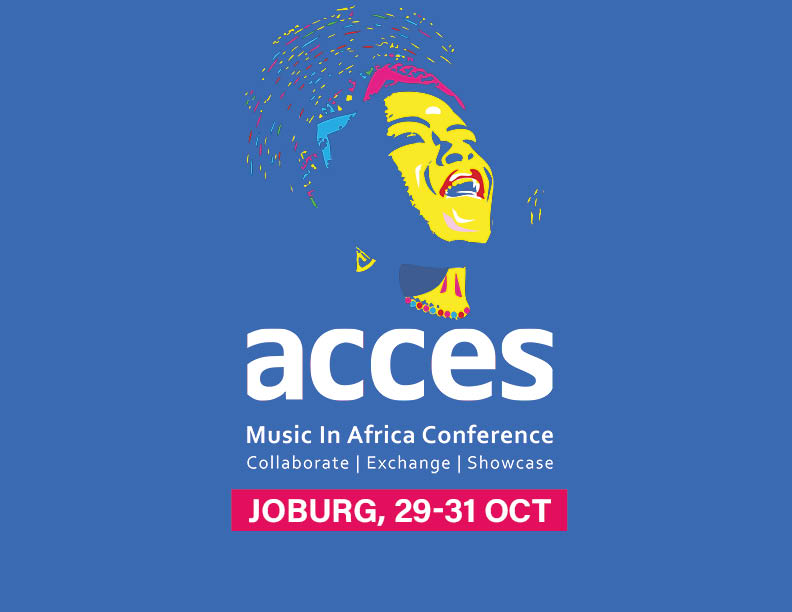
ACCES Conference and Showcase Festival is Africa's leading music industry gathering, bringing together the people shaping the future of the continent's music business. Artists, entrepreneurs, executives, investors, policymakers and cultural leaders from across Africa and around the world come to ACCES to build partnerships, exchange ideas, discover talent and create new business opportunities. Since its launch in 2017, ACCES has become the continent's premier platform for professional exchange and music market development. Combining a high-level conference with a curated showcase festival, networking, exhibitions and industry programmes, ACCES offers a unique space where creativity meets business and where African music connects with the global industry.

Gender@Work
Gender@Work

Music In Africa Gender @ Work is a three-year training programme aimed at upskilling and increasing the participation of female professionals in the African music sector. Launched by the Music In Africa Foundation (MIAF) in April 2019, the programme is connected to the MIAF’s ACCES music conference – a pan-African event held in a different African country every year. This connection enables the programme to reach new participants in a different African country every year. The programme marks the beginning of a more concerted effort by the Foundation to support the participation and inclusion of women in all facets of its programmes and the music sector in Africa as a whole. Over the three years, the programme will aim to address gender imbalances in the sector through training, lobbying, facilitating knowledge exchange and dialogues that foster the interest of women. The broader objectives of the programme are to: Provide industry training for women on critical music industry skills, focusing on: Stage management Electronic music production and recording Music business management Technical knowledge Provide an opportunity for both professional and aspiring women to benefit from the Music In Africa network and its broad range of activities in 2019, 2020 and 2021. Provide a solution-based platform in the form of a round table at ACCES with a view to identify challenges, discuss opportunities and lobby for the interests of female practitioners. Offer participants the opportunity to benefit from programmes offered by MIAF’s partners. Increase access to educational materials. Integrate participants in the broader ACCES programme to maximise experience and exposure to the industry. Record and present training materials on the www.musicinafrica.net, including but not limited to tutorials, templates and other best-practice materials. Communicate women-based themes that support the initiatives and messages of the programme. MAIN TRAINING ACTIVITIES Training in first country (Ghana): In the first year, participants will be trained on all aspects of stage management by a team of experienced stage managers from 10 to 17 November 2019. The programme will offer robust classroom training as well as practical, hands-on training in which participants will also be given the opportunity to manage various aspects of the ACCES performance programme. Training in second country: The second training iteration will take place at ACCES 2020 when the programme will diversify its course to include music production lessons and training on other music business topics. A round-table platform will also be introduced to coincide with the ACCES programme. Training in third country: The third training iteration will take place at ACCES 2021 in a different country, offering an advanced course. HOW DO YOU GET INVOLVED?  As a participant, facilitator or trainer: The programme enrolls up to 12 trainees every year. All opportunities are advertised publicly on this website, and will be added to this page. Please keep checking this page for new calls (below under UPDATES & CURRENT OPPORTUNITIES). As a partner Please contact Claire Metais at [email protected]. APPLY The call for applications for 2020 will be announced soon. The Music In Africa Gender @ Work programme is made possible with the support of the Prince Claus Fund, Siemens Stiftung and Goethe-Institut.

Sound Connects Fund
Sound Connects Fund

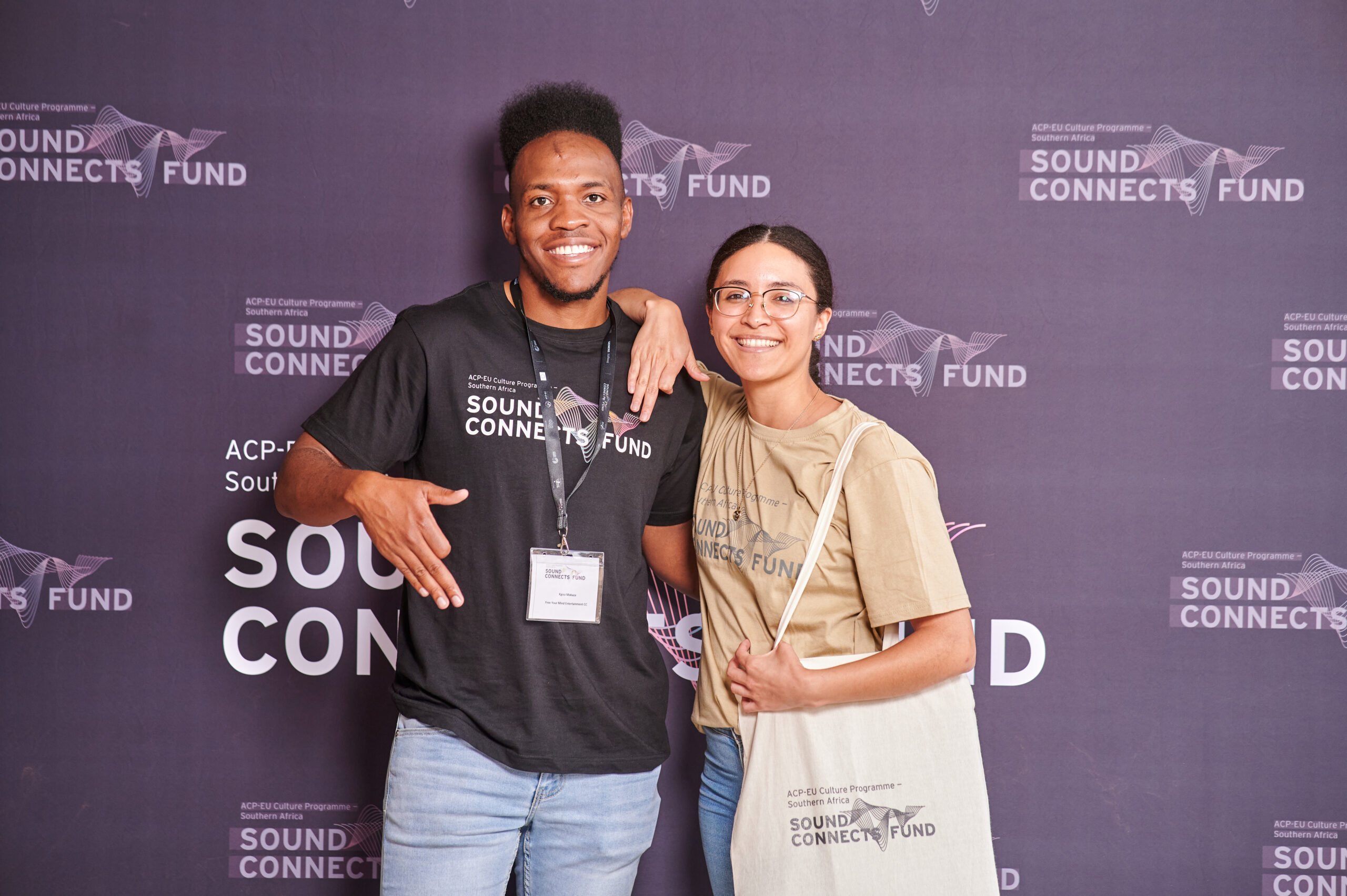
For cultural and creative practitioners and organisations operating in southern Africa, access to funding remains a major challenge. The COVID-19 pandemic has also had a massive impact on government policy, spending and the economy in general, and has seen spending on culture being moved further down the list of priorities. Further, the cultural and creative industries repeatedly cite four main areas where investment is needed for growth, which are increased visibility, mobility including access to new markets, finance and support structures.

Instrument Building And Repair Project

Experience the Vibrations African Instruments Exhibition online in 3D

banner image

Flavour, l’étoile nigériane qui ne cesse de scintiller

Home/Non classé/Flavour, l’étoile nigériane qui ne cesse de scintiller

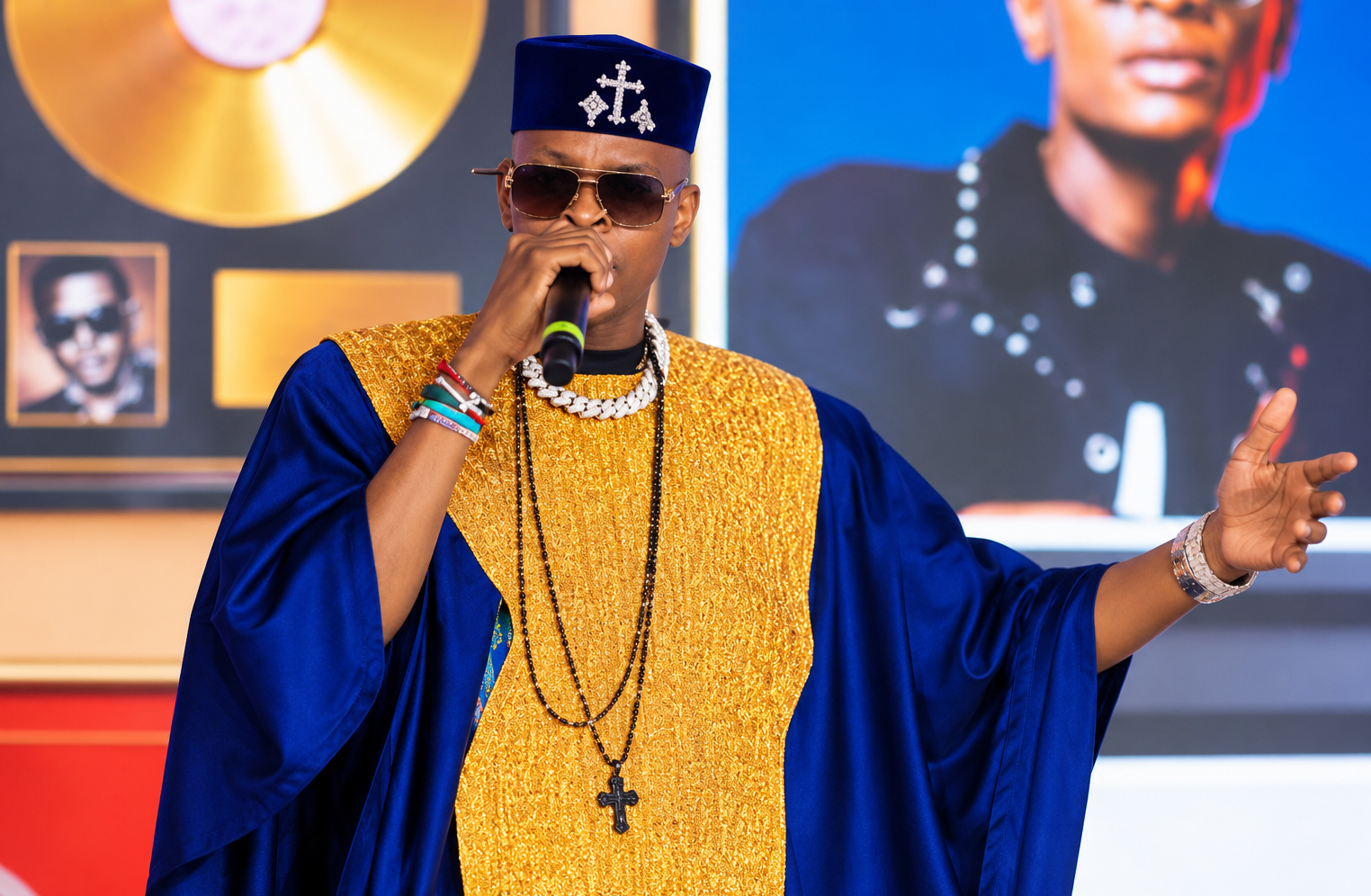
Il est incontestablement l’un des porte-flambeaux de la musique nigériane d’aujourd’hui. Propulsé devant la scène musicale africaine par son tube Ada, le chanteur Flavour enchaîne des récompenses et des collaborations musicales. Retour sur sa carrière d’artiste. 

Remarqué par le pasteur de son église, ce dernier lui a présenté Chris Je, le Pdg de Soundcity Communi­cations, une entreprise de musique nouvellement créée. L’entreprise est en réalité un centre de formation et de perfectionnement professionnel des jeunes dans le domaine de la musique. C’est là que le chanteur Flavour fit ses premières armes dans les années 90. Il passe trois (03) ans à apprendre de la batterie. En 1999, Flavour apprend à jouer du clavier. Au cours de ses premiers pas dans la musique, le chanteur a eu également à faire le chœur de certains artistes de l’entreprise Soundcity.

À seulement dix-neuf (19) ans, Flavour intègre un groupe local sous la casquette de batteur et pianiste. Fort aguerri musicalement, il part au centre-ville afin de se frotter à d’autres connaissances dans le monde du show-biz. C’est de là qu’il apprend des notions en matière de production musicale. En 2005, Flavour sort son premier album baptisé N’abania. L’album ne connaît pas le succès escompté. Sans doute à cause d’un auditoire très limité. N’abania était beaucoup destiné à l’Etat d’Enugu d’où le chanteur est originaire. Loin de se décourager, l’artiste Flavour retient la leçon de l’accueil mitigé réservé à son premier bébé musical. C’est ainsi qu’avec des touches très spéciales et de nouvelles sonorités apportées, le deuxième album rencontre un succès dépassant les frontières de son pays le Nigeria. Même le label sud-africain Lolhiphop Record, à cause du triomphe de l’album, conclut un accord avec l’artiste pour la distribution de l’album en Afrique du Sud.

À la suite de ce succès continental, Flavour enchaîne des concerts à travers l’Afrique, l’Europe…collabore parallèlement avec des artistes comme, ses compatriotes, Chidinna, Bracket, Tiwa Savage… avec des ar­tistes étrangers aussi….Comme souvent le succès ne va pas sans heurts, l’artiste Flavour est mêlé dans une bataille juridique avec le duo ghanéen Wutah. Le 29 août 2012, Flavour est accusé d’avoir utilisé le rythme, le chorus et le tempo du «Kotosa» du groupe Wutah dans sa chanson Kwarikwa.

Discographie

Celui sur qui ses parents ne misaient pas un seul sou pour réussir en musique, est devenu une star continentale. Flavour, l’aîné d’une famille de sept (7) enfants a su relever le défi. Dans sa discographie on retrouve, N’abania (2005), Uplifted (2010), Thankful (2014)… 

En 2014, Flavour a reçu le prix de l’artiste autochtone de l’année décerné par Nigeria Entertainment A­wards ; Meilleur clip de l’année pour la chanson Oh ! Baby en collaboration avec Chidinna; Meil­leure vidéo de l’année avec la chanson Ada ; No­miné aux MTV Africa Music Awards de 2014…

Afrikinfos.net
newsletter banner

Subscribe to our monthly Newsletter

Follow us on social media