














































Traditional music is not attracting young Gambians

07 Jun 2018 - 12:29


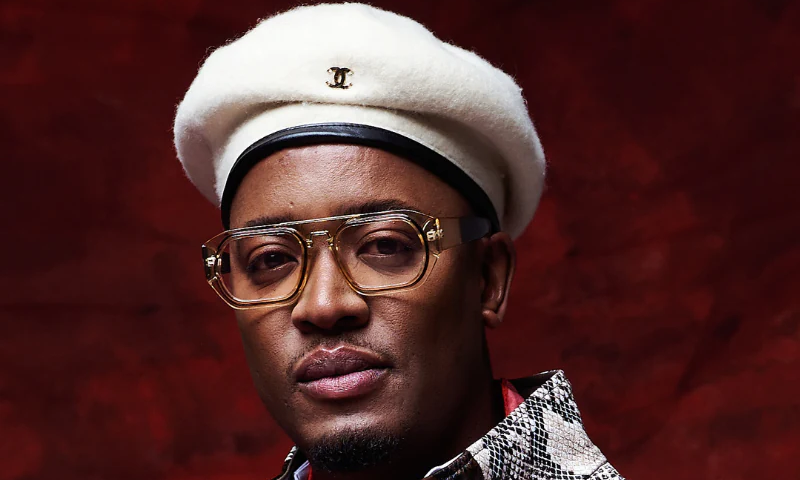
Last year the event he co-founded, the Open Mic Festival, clocked 10 years. Traditionally taking place in December, the festival has become one of the biggest music events in the small West African country. In this interview, Waagan Fye speaks to Music In Africa about, among other issues, the impact of foreign music in his country, the waning influence of traditional Gambian music and the possibility of Gambian music crossing over.
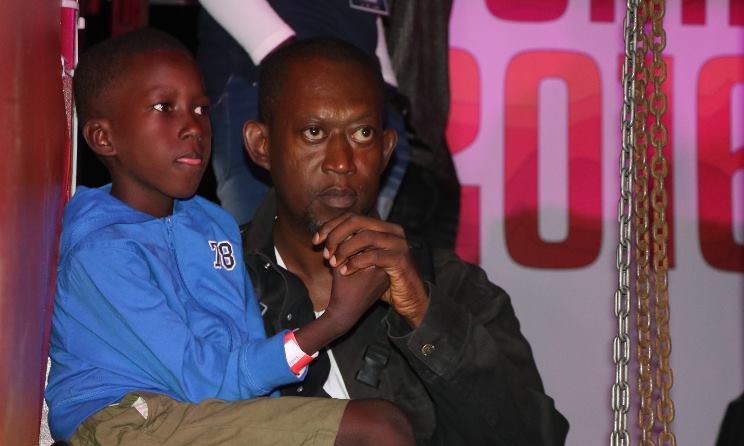
MUSIC IN AFRICA: A few years ago Jalex said if he was president he would ban foreign music. Do you think that is necessary?
WAAGAN FYE: It's quite unnecessary to ban foreign music for it's been some of the biggest influences on Gambian music. We just have to step up and produce equally good if not better than what's coming in. Great foreign music should be our new benchmark.
Can the government help the Gambian music industry in any way?
Government should be able to help any and every local industry but that hasn't happened so far in Gambia as music is concerned. To be able to help someone you have to understand what they are doing, where they are going and what they need to get there. Since our independence in 1965, government has ignored and sidelined the arts because they don't know the full potential of it. Their involvement without understanding it can be more detrimental though. I suggest they create a ministry of arts and culture to be headed by people who know and have a passion for the arts.
What in your view are Gambian artists doing wrong? Or is it the populace just ignoring good music?
Gambian music and artists, or industry and scene, is relatively in it's infancy and most of us never had any formal training in the arts. We are learning along the way but have come a long way from where we started. It's just that we have a much longer way to get to where we are headed. That also applies to our population that has been so used to being entertained by foreign music and we are all of a sudden trying to convince them to give us a shot. It's slowly changing though but the more things change the more they stay the same.
Can Gambian music be as popular across the continent like, say, Nigerian music? What do Gambian artists have to do?
The popularity of Nigerian music is quite recent. They found a niche and are riding the wave and have caught the world's attention. It's not impossible for us either. It's not going to be easy. I think we have to figure out how to imbed our music into our people and culture whiles simultaneously competing on the world stage and entertaining them. It's an uphill battle though.
Can awards like Wah Sa Halat help Gambian music internationally? Is it also possible that these awards help the profile of traditional music?
The Wah Sa Halat Awards is for local music. It is the most popular and prestigious local music award show but is more for the local and urban artists. There's still a wall between the urban and traditional music scenes. Our traditional artists are concentrating on the local ceremonies where they can earn their daily bread unlike the urban who are trying to build a local and international market. The local market is more street-oriented than what traditional music is used to. Our awards also cater more for the local audience.
What chance does Gambian traditional music have in today’s Gambia?
Traditional music is not getting the attention of the younger generation. The new school have been infusing it into their sound for a local touch but the bridge between the traditional and the urban has not been fully erected. Traditional music in its current form I couldn't see it breaking through but miracles are possible.
Are any traditional artists popular in Gambia at the moment?
Jaliba Kuyateh is the biggest local artist who I would call contemporary though. He is not a part of the new renaissance and is in a lane of his own. Most of the other traditional artists are still playing our local ceremonies but we are hoping to eventually bridge that gap with the new generation.
As an event organiser, what would you say is missing from the live scene?
Our biggest hindrances in live events is the overall production. From sound, stage and lighting, video coverage and post production as well as studio production as well. Keep in mind like I said earlier, we never had any formal training and just learned from hands-on experience.
You have held the Open Mic Festival for 10 years. It must be hard work. What are the challenges?
Open Mic Fest has definitely been a major challenge to get this far. It's one of the programs that has spearheaded the new musical revolution. As I said earlier production is a major challenge still and convincing "corporate Gambia" to come on board. Regardless of the fact that the numbers are there unmatched by any other events and the sustainability over the past decade, a lot more convincing is needed for sponsorship and brand association. Most companies still look down upon local entertainment and are not convinced to come on board. Thank God that we have been able to make it work without some of them but also thankful for the few that have joined our quest.
What is the next level for Gambian artists?
Gambian music and the artists have to be able to cross our borders and compete on the world market. This will require growth and maturity musically and personally. We still have to look inward to imbed the roots deeper into our society and make it a part of our culture and tradition like how hip-hop is so imbedded into black America and even America as a whole and how reggae and dancehall is to Jamaica. Last but not least bring in the local dance scene to merge.


Most popular
Call For Applications : ACCES seeks a UK-based performer
10 Sep 2026

Top amapiano songs of 2026
16 Feb 2026

Top Afrobeats songs of 2026
19 Mar 2026
Open call: FAME Week Africa, Pressure Cooker Studios songwriting camp
09 Sep 2026

Open call: Ernst von Siemens Music Foundation 2026 funding programmes
04 Sep 2026
Open call: Goethe-Institut grants for Southern African creatives
08 Sep 2026

AFRIMA 2026: All the winners
12 Jan 2026
Disclaimer: Music In Africa provides a platform for musicians and contributors to embed music and videos solely for promotional purposes. If any track or video embedded on this platform violates any copyrights please inform us immediately and we will take it down. Please read our Terms of Use for more.

Subscribe to our monthly Newsletter
Follow us on social media


Please log in to post a comment.