




































NEFCISA
NEFCISA

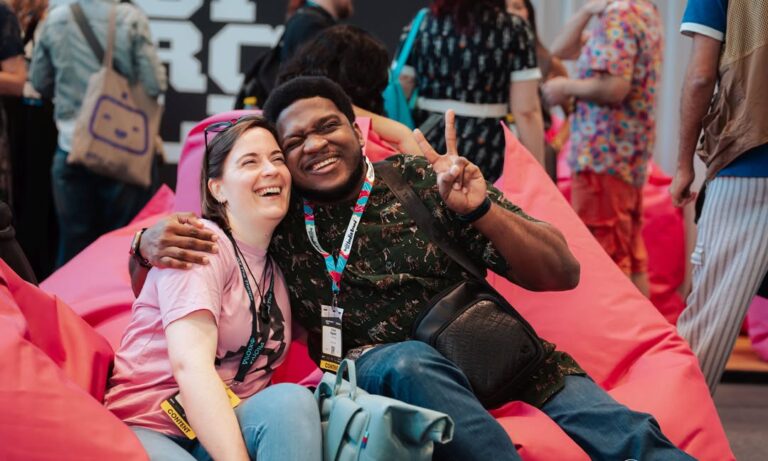
The Music In Africa Foundation (MIAF) is proud of its partnership with the Industrial Development Corporation (IDC) as a Strategic Implementing Partner (SIP) for its Social Employment Fund (SEF). Through this collaboration, MIAF is running a national programme that is creating jobs, addressing skills gaps, and strengthening South Africa's creative industries — in line with the SEF's overarching goal to generate work for the common good and build community value through employment, social contribution, and inclusive economic participation. Operating under the banner NEFCISA (National Employment Facility for Creative Industries in South Africa), the initiative is recruiting and training participants, matching them with host organisations, and has already placed 1 500 workers across the country — surpassing its original target of 1 000. NEFCISA is delivered through a network of 20 host organisations spanning five provinces, who are actively hosting participants and contributing to work for the common good across South Africa's creative and cultural industries. Key Objectives: Support employment and entrepreneurship in the creative industries. Offer skills development and training programmes. Foster partnerships between public and private creative sectors. Promote South African creativity at both provincial and national levels Foster community development through social contribution.

ACCES
ACCES

ACCES Conference and Showcase Festival is Africa's leading music industry gathering, bringing together the people shaping the future of the continent's music business. Artists, entrepreneurs, executives, investors, policymakers and cultural leaders from across Africa and around the world come to ACCES to build partnerships, exchange ideas, discover talent and create new business opportunities. Since its launch in 2017, ACCES has become the continent's premier platform for professional exchange and music market development. Combining a high-level conference with a curated showcase festival, networking, exhibitions and industry programmes, ACCES offers a unique space where creativity meets business and where African music connects with the global industry.

Gender@Work
Gender@Work

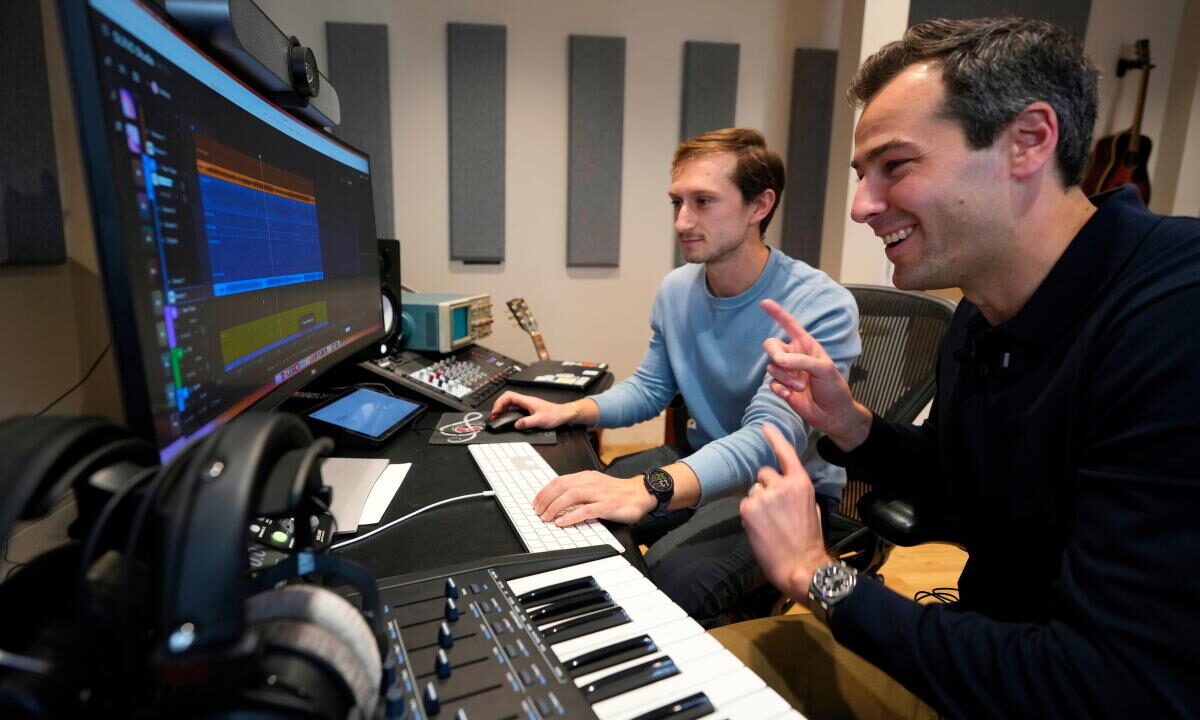
Music In Africa Gender @ Work is a three-year training programme aimed at upskilling and increasing the participation of female professionals in the African music sector. Launched by the Music In Africa Foundation (MIAF) in April 2019, the programme is connected to the MIAF’s ACCES music conference – a pan-African event held in a different African country every year. This connection enables the programme to reach new participants in a different African country every year. The programme marks the beginning of a more concerted effort by the Foundation to support the participation and inclusion of women in all facets of its programmes and the music sector in Africa as a whole. Over the three years, the programme will aim to address gender imbalances in the sector through training, lobbying, facilitating knowledge exchange and dialogues that foster the interest of women. The broader objectives of the programme are to: Provide industry training for women on critical music industry skills, focusing on: Stage management Electronic music production and recording Music business management Technical knowledge Provide an opportunity for both professional and aspiring women to benefit from the Music In Africa network and its broad range of activities in 2019, 2020 and 2021. Provide a solution-based platform in the form of a round table at ACCES with a view to identify challenges, discuss opportunities and lobby for the interests of female practitioners. Offer participants the opportunity to benefit from programmes offered by MIAF’s partners. Increase access to educational materials. Integrate participants in the broader ACCES programme to maximise experience and exposure to the industry. Record and present training materials on the www.musicinafrica.net, including but not limited to tutorials, templates and other best-practice materials. Communicate women-based themes that support the initiatives and messages of the programme. MAIN TRAINING ACTIVITIES Training in first country (Ghana): In the first year, participants will be trained on all aspects of stage management by a team of experienced stage managers from 10 to 17 November 2019. The programme will offer robust classroom training as well as practical, hands-on training in which participants will also be given the opportunity to manage various aspects of the ACCES performance programme. Training in second country: The second training iteration will take place at ACCES 2020 when the programme will diversify its course to include music production lessons and training on other music business topics. A round-table platform will also be introduced to coincide with the ACCES programme. Training in third country: The third training iteration will take place at ACCES 2021 in a different country, offering an advanced course. HOW DO YOU GET INVOLVED?  As a participant, facilitator or trainer: The programme enrolls up to 12 trainees every year. All opportunities are advertised publicly on this website, and will be added to this page. Please keep checking this page for new calls (below under UPDATES & CURRENT OPPORTUNITIES). As a partner Please contact Claire Metais at [email protected]. APPLY The call for applications for 2020 will be announced soon. The Music In Africa Gender @ Work programme is made possible with the support of the Prince Claus Fund, Siemens Stiftung and Goethe-Institut.

Sound Connects Fund
Sound Connects Fund

For cultural and creative practitioners and organisations operating in southern Africa, access to funding remains a major challenge. The COVID-19 pandemic has also had a massive impact on government policy, spending and the economy in general, and has seen spending on culture being moved further down the list of priorities. Further, the cultural and creative industries repeatedly cite four main areas where investment is needed for growth, which are increased visibility, mobility including access to new markets, finance and support structures.

Instrument Building And Repair Project

Experience the Vibrations African Instruments Exhibition online in 3D

Features

An Ode To Sankomota

20 Nov 2014 - 23:51

cc-img flag-img

Kingsway, Maseru’s main street, should have been bustling with lines upon lines of mourners queuing to touch his casket. The airwaves should have been saturated with the beautifully haunting textures of his compositions. A public holiday should have been declared to honour his immense, immeasurable contribution to the art of music-making. But alas, this is Lesotho, and we are not particularly well-known for recognising our heroes. 27 November 2003 marked the end of an era: Frank Mooki Leepa, guitarist and frontman of Sankomota, passed away.
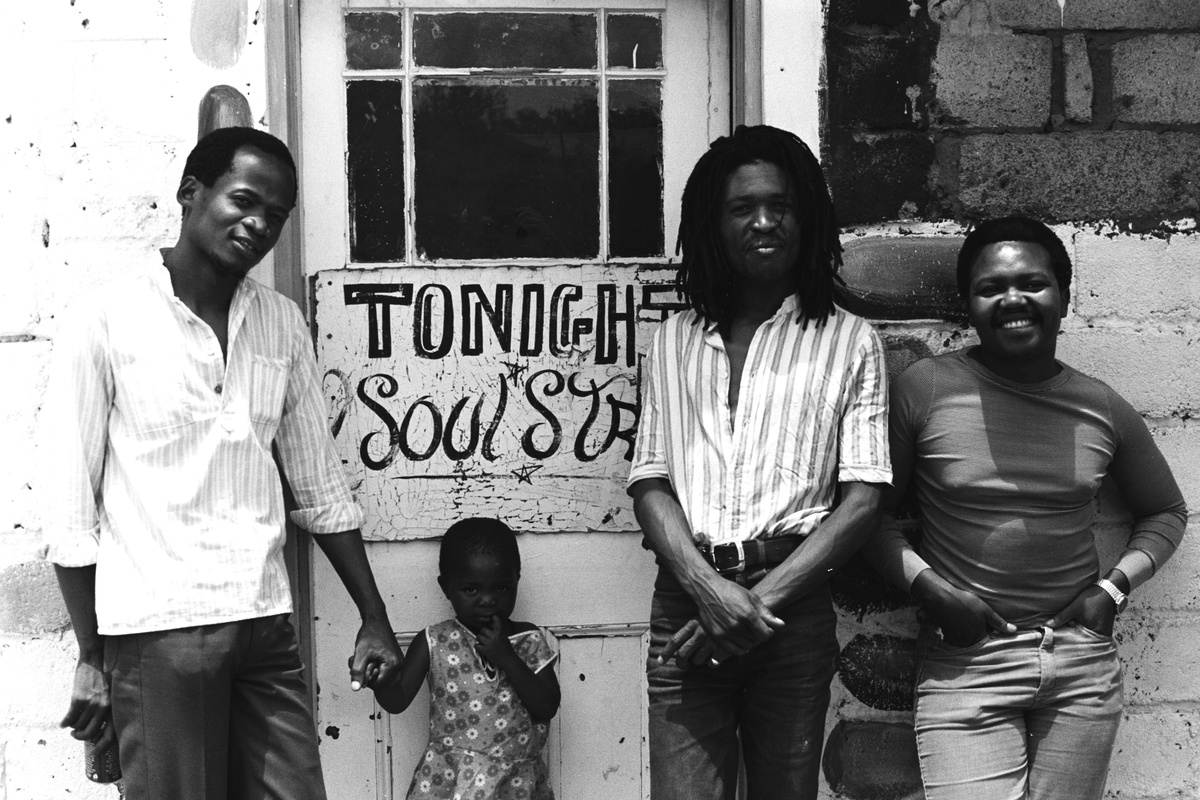
a246983521410

The history of Sankomota is as long as it is interesting. It is a dense tale punctuated by varying degrees of bad timing, bad decisions and bad luck. Starting out in 1975 under the name Uhuru, copyright claims from the Jamaican Michael Rose’s Black Uhuru meant that they had to re-focus their musical energies as Sankomota. It was no easy feat considering that Uhuru was already well-known across the Southern African region. Adoring followers in both Lesotho and South Africa could not get enough of their groove-oriented African melodies, skilled musicianship and ‘get-up-and-dance’ dynamics.

According to Leepa, Sankomota was the name of a Pedi warrior who lived during the times of King Moshoeshoe. The band adopted it, re-imagining the moniker as a symbol of unity, regardless of one’s tribe. Notions of belonging were overlooked in favour of a more inclusive sound. The lyrics often contained entire verses sung in Zulu, Pedi, or Sotho. The music – stark and dense in equal measure – carried elements of the band’s influences: melodies criss-crossed mbaqanga’s technicality, jay-walked on reggae’s combustible street-corners, and shaved off jazz music’s jaded vision to form an amalgam of what Frank referred to as “malo” (spirit/soul) music. This is a band that has served as my sanctuary whenever pop music seemed to lose track. Leepa’s erudite arrangements, complemented by Tsepo Tshola’s moving vocal incantations, are excellent from any vantage point.

Erstwhile frontman Tshola was to leave the band in 1991 to pursue a solo career, leaving Leepa to take the reins – yet another blow. This, however, only seemed to inspire the remaining cast – Black Jesus, Budhaza Mapefane and co-founder Moss Nkofo – to soldier on. They were still under the leadership of Leepa when tragedy struck, yet again, in 1996. This time around, it was a road accident while the band was on their way to Cape Town. Some members passed away in that crash. I can still vaguely recall the haunting images of the wrecked taxi on the news bulletin that evening.

To me, Sankomota represents memories of a childhood well spent: the tapes on long trips, the lazy Sunday afternoons, and the constant rotation of ‘Stop the War’ and ‘House on Fire’ on the radio. Sankomota’s music was significant in that it seemed to unify an entire nation. Their concerts are remembered as celebratory occasions with multiple encores. They reportedly even outshone American jazz giant Dizzy Gillepsie when he performed in Lesotho in the late 70s.

Their self-titled debut album was recorded in Lesotho in 1983 with the assistance of Lloyd Ross’ Shifty mobile studios. My joy, a few years back when an acquaintance showed me that very first album – an LP still in mint condition – cannot quite be captured in words. They went on to release five more albums, the last being Frankly Speaking in 2001. The album had its moments (such as ‘Another Accident’ and ‘Moonlover’, featuring guest vocals from the late Nana ‘Coyote’ Motijoane) and while Leepa’s prowess still permeated the grooves, the band had somehow disintegrated into a shadow of its former self. Too much had been chipped away at the edges, too many struggles endured, too much had been lost. My favourite album to this day is After The Storm. Every song evokes strong memories: me, a youth in the early 90s fascinated by the sounds produced by one of the best musical exports to ever emerge from Lesotho and make an impact on the broader jazz community. It might not have been their best work, but it was my first encounter with their disarming spirituality and polished musicality.

At his funeral, promises of an institute dedicated to his memory were made. Delegates, musicians and ordinary citizens gathered to pay their last respects. In retrospect, it may seem that we betrayed the memory of a legend. Yet with every Sankomota song played, with every anecdote shared about the collective’s genius, the legend that is Frank Leepa and the gargantuan force that is Sankomota lives on. I shall finish my ode with these words from their song, ‘Malala Pipe’: ‘I believe you were born for greatness, the light in your eye is [the] spark of god.’

Please log in to post a comment.

Most popular

Disclaimer: Music In Africa provides a platform for musicians and contributors to embed music and videos solely for promotional purposes. If any track or video embedded on this platform violates any copyrights please inform us immediately and we will take it down. Please read our Terms of Use for more.

newsletter banner

Subscribe to our monthly Newsletter

Follow us on social media