










































Non-fungible tokens (NFTs) have already displayed their potential in the art world, with Mike ‘Beeple’ Winkelmann selling his digital artwork Everydays: the First 5000 Days for $69m in March 2021.[1] Similarly, continued advances in cryptocurrency promise to revolutionise payment methods, cutting out intermediaries and ensuring artists are promptly paid what they are owed for their music.[2]
This article explores emerging digital technologies and how they are evolving to provide new revenue streams for South African musicians.
Why NFTs?
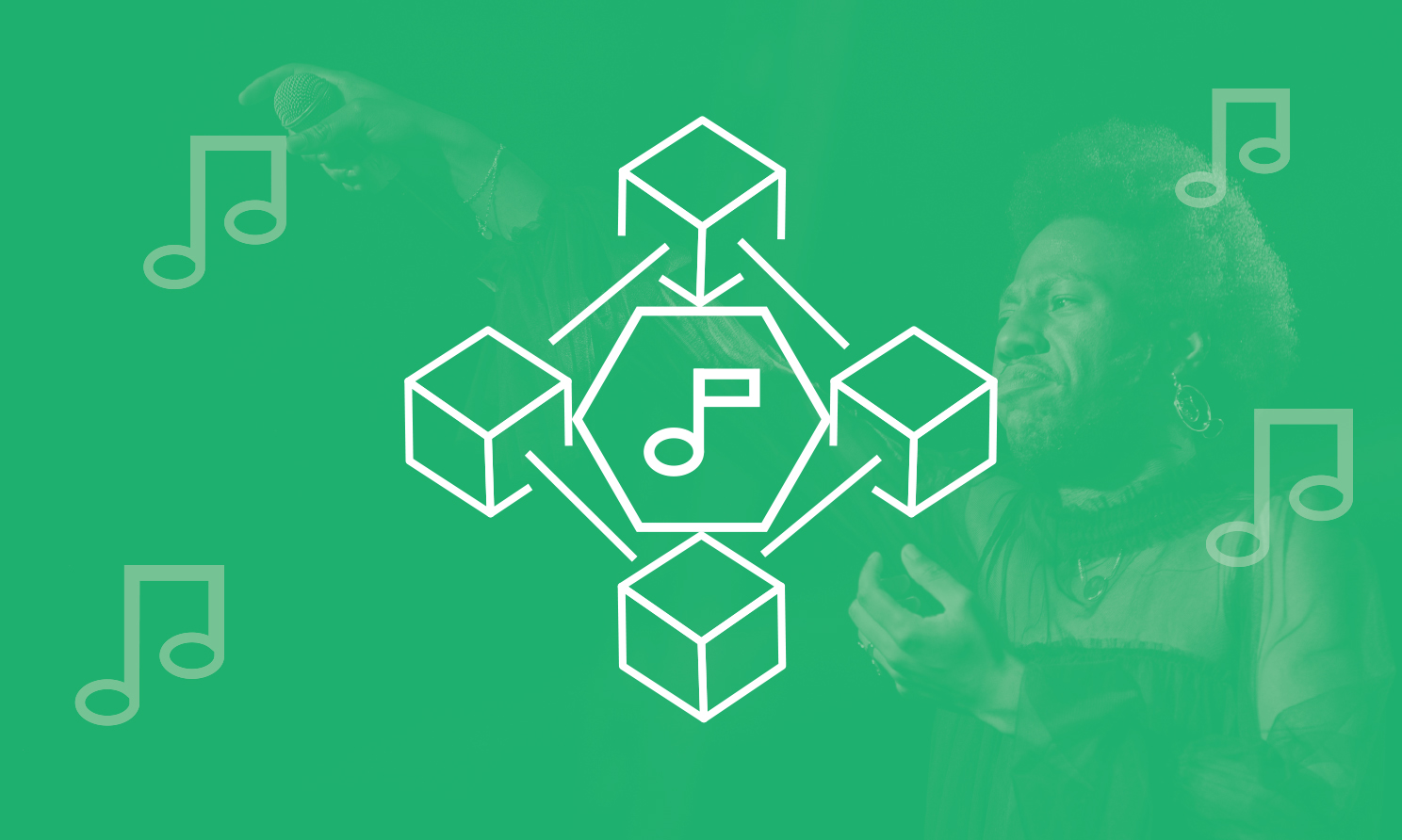
NFTs are an innovative tool to prove and show ownership. Through their distinctive footprint, NFTs, which are unique digital assets, accurately record who owns a piece of digital content on a secure blockchain – a digital ledger where the purchase transaction is recorded.
Through the use of unique metadata for each piece of music stored as an NFT, an artist can easily track the spread of their work and earn their rightful royalties. Some musicians even offer fans splits on future royalties as an added incentive for purchasing NFTs. Artists can, moreover, create a digital marketplace for their music, as purchased NFTs can be sold or traded – much like a form of currency – among consumers at a later stage.[3]
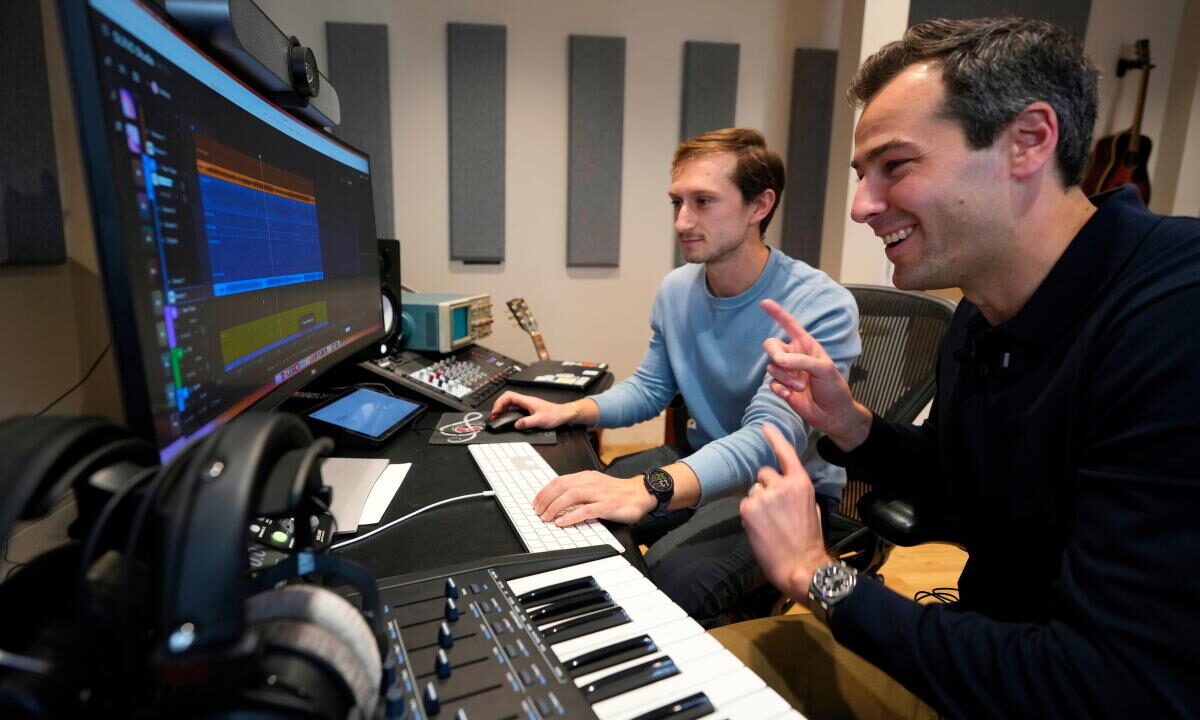
Some musicians, especially during the COVID-19 pandemic – which has drastically affected the live performance circuit – have turned to selling their music in the form of NFTs. A good example is US musician Daniel Allan, who began by selling 50% of his upcoming album’s royalties in the form of NFTs, and is now selling digital copies of his songs as NFTs for thousands of dollars each.[4] As more and more musicians have followed suit, Catalog has emerged as a marketplace for music NFTs, on which 140 artists have, according to a TIME report, sold over 350 records for more than $1m combined.[5]
[video:https://www.youtube.com/embed/WWC0EXrXaZM width:744 height:446 autoplay:0]
Video: US musician Daniel Allan has been an early adopter of NFTs.
The South African context
South Africa is still taking baby steps towards embracing the digital arts marketplace. A 2021 survey conducted by Finder, based on an analysis of the NFT uptake in 20 markets across the globe, showed that only 8.3% of surveyed South African internet users owned NFTs. South Africa is number 12 out of the 20 surveyed countries and trails countries such as Nigeria, the United Arab Emirates and Vietnam – but is ahead of Canada, Singapore and Argentina.[6]
The survey further shows that an additional 9.4% of South African internet users were planning to own NFTs in the future.[7] This might indicate that now is the perfect time for artists to consider experimenting with NFTs and other digital assets – and this suggestion seems to be supported by the findings of Music In Africa’s Revenue Streams for Music Creators in South Africa 2022 report, which shows that NFTs are already contributing an average monthly income of R22 520 for early investors in the South African music industry.
South Africa’s first NFT-based marketplace for content creators, Momint, was launched in May 2021. To ease South Africans into the concept, both South African rand and cryptocurrency are accepted for trade on the platform. Former rugby player Bryan Habana sold a 3D turntable for R150 000 on the platform a few weeks after its launch, while musicians such as Goldfish and The Kiffness have been some of Momint’s early adopters. The company, which plans to launch globally soon, is in talks with more creators to join and sell their work on the platform.[8]
Binance, a cryptocurrency exchange company founded in 2017 that now operates from the Cayman Islands, has spotted the continent’s potential. In June, the company launched Binance NFT, a marketplace for NFTs and digital collectibles, and included African artists such as Nigerian rappers MI Abaga and Flaz on its 100 Creators programme, which includes creators from different parts of the globe. At the time of writing. M.I Abaga was reportedly launching an exclusive NFT collection as part of the programme.[9]
[video:https://www.youtube.com/embed/gLsgW3nlf5A width:744 height:446 autoplay:0]
Video: Ahren Posthumus, CEO and co-founder of Momint, discusses the emerging NFT industry.
Blockchain and cryptocurrency payment
In recorded music business, the artist is usually the last to receive remuneration. The process of receiving royalty payments involves a lot of paperwork and multiple third parties. This problem could be solved by the use of cryptocurrencies in transactions. Cryptocurrency, which is independent of institutional control, is known as a disintermediated form of payment for services and goods, as it allows for a secure transaction to take place directly between buyer and seller.[10]
American rapper 50 Cent is one of the few artists who have famously benefited from cryptocurrency. As early as 2014 he accepted Bitcoin payment for his album Animal Ambition. TMZ reported in 2018 that the album made 50 Cent approximately 700 Bitcoin, which, although worth several hundreds of thousands of dollars at the time – had surged to $7.7 million in 2018, the year in which the rapper reportedly remembered he was accepting cryptocurrency payment for the album.[11]
As with all industries, the widespread uptake of cryptocurrency could cause major disruptions to the way things currently operate. Don Tapscott’s 2016 book Blockchain Revolution identifies some potential applications in the music industry:[12]
- Payment of royalties can be executed automatically. For example, if artists could receive their payments from digital service providers (DSPs) through cryptocurrency, this would allow for instant, and accurate, payments to artists from streaming platforms.
- This method of payment would provide total transparency and data protection.
- In addition to system of managing payments, the blockchain that underpins cryptocurrency transactions could act as a digital rights management database.
However, as their value can fluctuate at any moment, cryptocurrencies are also highly volatile – and the sudden risk of losing money due to dips in the market is a real concern for many artists. As a result, while musicians recognise cryptocurrency’s potential to revolutionise the industry in their favour, the widespread use of this technology is still rare.[13]
Final thoughts
Though they are growing in stature, the future of digital market places for assets such as NFTs and other crypto technologies remains uncertain. However, if one educates themselves enough about how they work, they could position themselves to make game-changing moves when the market is ripe. If history is anything to go by, the earliest adopters tend to become pioneers of the future, and this may prove the case for South African musicians looking to earn a revenue stream through emerging digital technologies.
Resources and citations
- [1] Brown, A. (2021). “Beeple NFT Sells For $69.3 Million, Becoming Most-Expensive Ever”. Forbes. Accessed on January 14, 2022: https://www.forbes.com/sites/abrambrown/2021/03/11/beeple-art-sells-for-693-million-becoming-most-expensive-nft-ever/?sh=4bb98d6c2448
- [2] Newton, C. (2021). “Is the music industry’s future on the blockchain?”. The Verge. Accessed on January 14, 2022: https://www.theverge.com/22800746/music-industry-royalties-blockchain-crypto-royal-paradigm
- [3] Shilina, S. (2019). Blockchain in Music Industry: Signs of the New Paradigm. Medium.com. Accessed on January 14, 2022: https://medium.com/paradigm-fund/blockchain-in-music-industry-signs-of-the-new-paradigm-d27aa291aea6
- [4] Ali, M. (2021). “Daniel Allan Is Pioneering A New Way Of Delivering Music & Drops New Single”. This Song Is Sick. Accessed on January 14, 2022: https://thissongissick.com/post/daniel-allan-too-close/
- [5] Chow, A.R. (2021). “Independent Musicians Are Making Big Money From NFTs. Can They Challenge the Music Industry?”. Time. Accessed on January 14, 2022: https://time.com/6124814/music-industry-nft/
- [6] Laylock, R. (2021). “NFT statistics 2021”. Finder. Accessed on January 14, 2022: https://www.finder.com/za/nft-statistics
- [7] Ibid.
- [8] Momint. (2022). “About”. Accessed on January 14, 2022: https://www.momint.so/about
- [9] Binance Blog. (2021). “Meet the Artists and Creators Behind the Binance NFT Marketplace: 100 Creators Revealed”. Accessed on January 14, 2022: https://www.binance.com/en/blog/all/meet-the-artists-and-creators-behind-the-binance-nft-marketplace-100-creators-revealed-421499824684902149
- [10] Evans, T.M. (2021). Blockchain and the Disintermediation of Music. Oxford Handbooks Online. Accessed on January 14, 2022: https://www.oxfordhandbooks.com/view/10.1093/oxfordhb/9780190872243.001.0001/oxfordhb-9780190872243-e-30
- [11] Ciolli, J. (2018). “Rapper 50 Cent reportedly made millions selling his album for Bitcoin”. Business Insider. Accessed on January 14, 2022: https://www.businessinsider.com/rapper-50-cent-says-he-made-millions-selling-his-album-for-bitcoin-2018-1?IR=T#
- [12] Shilina, S. (2019). Ibid.
- [13] Hissong, S. (2021). “A Field Guide to Music’s Potential Crypto Boom”. Rolling Stone. Accessed on January 14, 2022: https://www.rollingstone.com/pro/features/music-crypto-blockchain-nfts-guide-1116327/
This article is part of the Revenue Streams for African Musicians project, supported by UNESCO’s International Fund for Cultural Diversity in the framework of the UNESCO 2005 Convention on the Protection and Promotion of the Diversity of Cultural Expressions, the Siemens Cents4Sense programme, Siemens Stiftung, Goethe-Institut, the National Arts Council of South Africa and Kaya FM.
Editing by David Cornwell and Kalin Pashaliev


Most popular



Disclaimer: Music In Africa provides a platform for musicians and contributors to embed music and videos solely for promotional purposes. If any track or video embedded on this platform violates any copyrights please inform us immediately and we will take it down. Please read our Terms of Use for more.

Subscribe to our monthly Newsletter
Follow us on social media


Please log in to post a comment.