
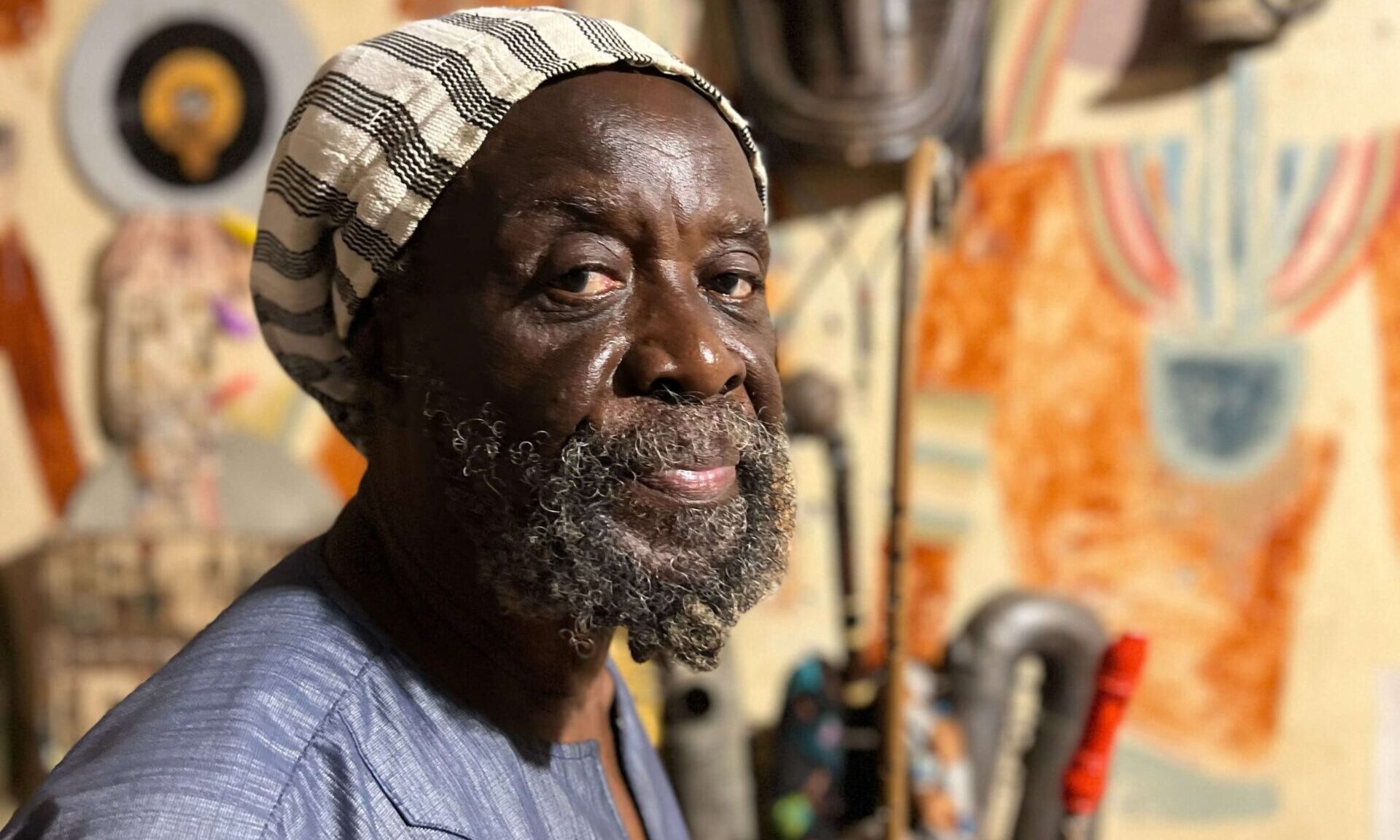



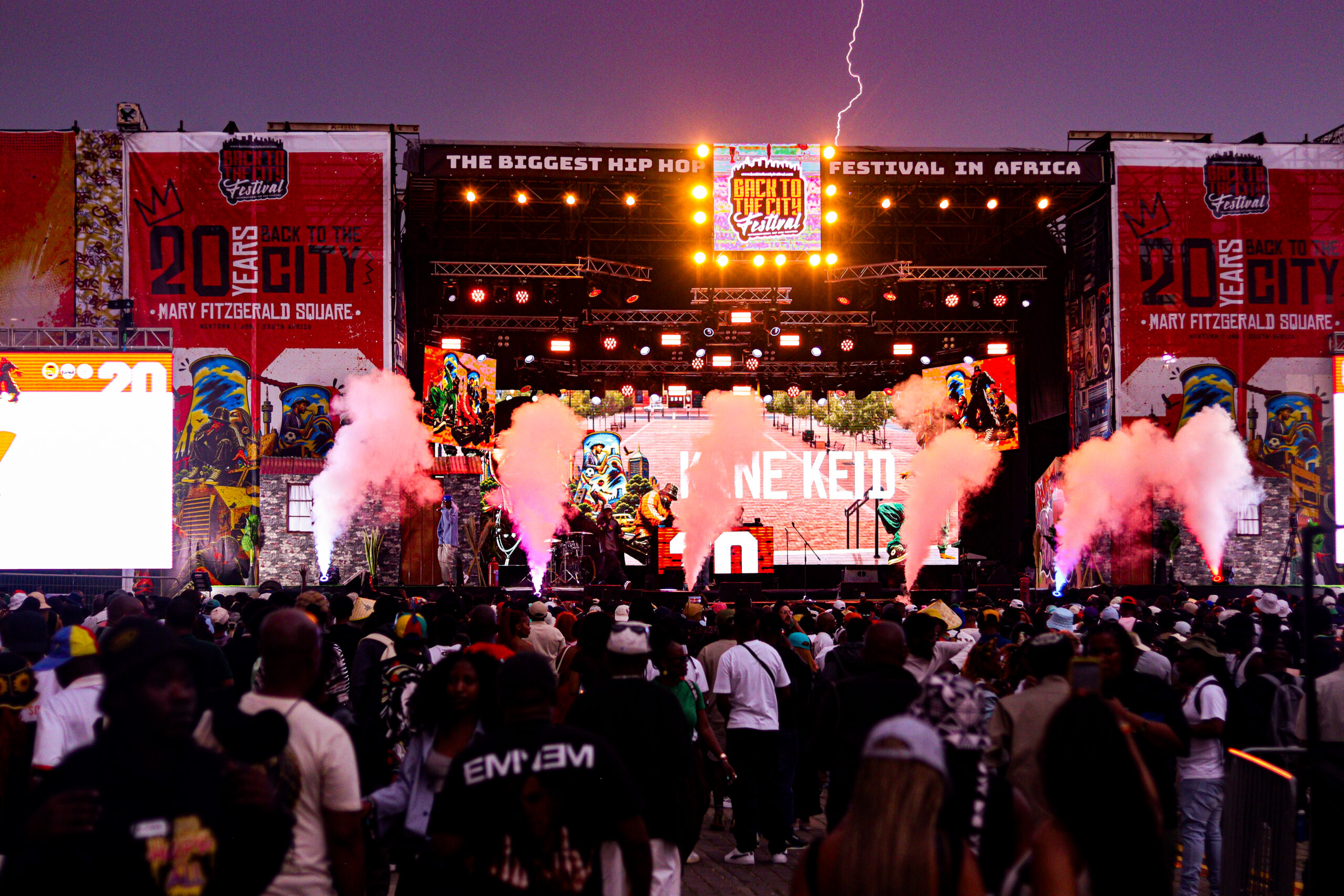











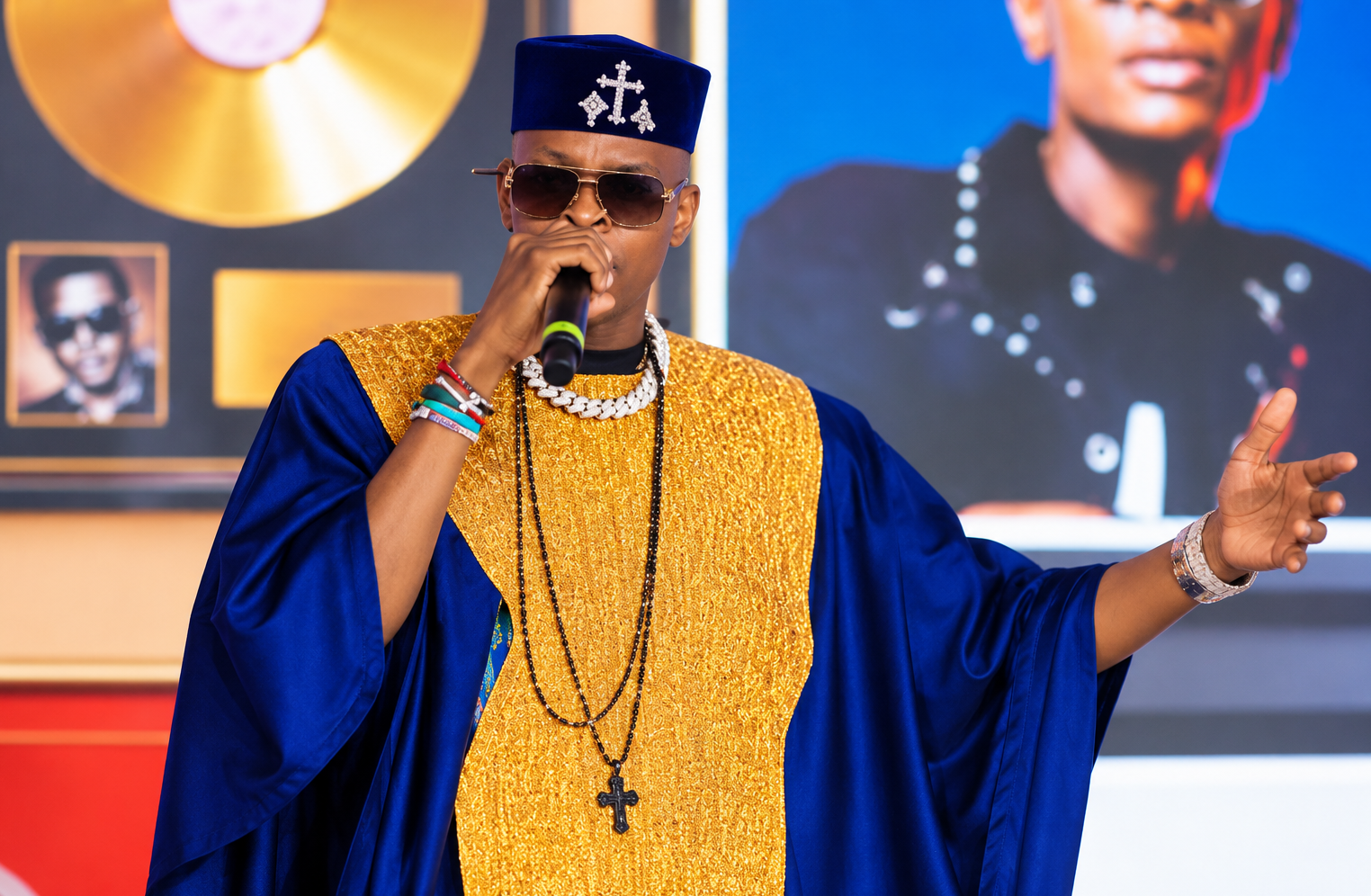
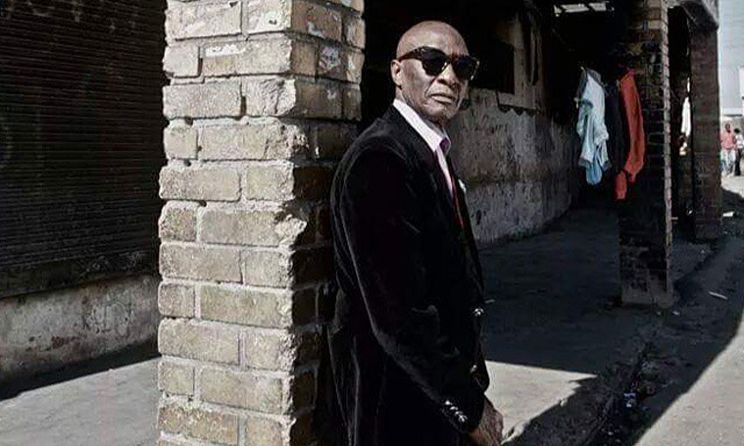






































From Kaya’s roots seggae through to the agga dancehall of Negro Pou La Vi , Seggae embodies what the Mauritian youth stands for. This is an overview of the genre.
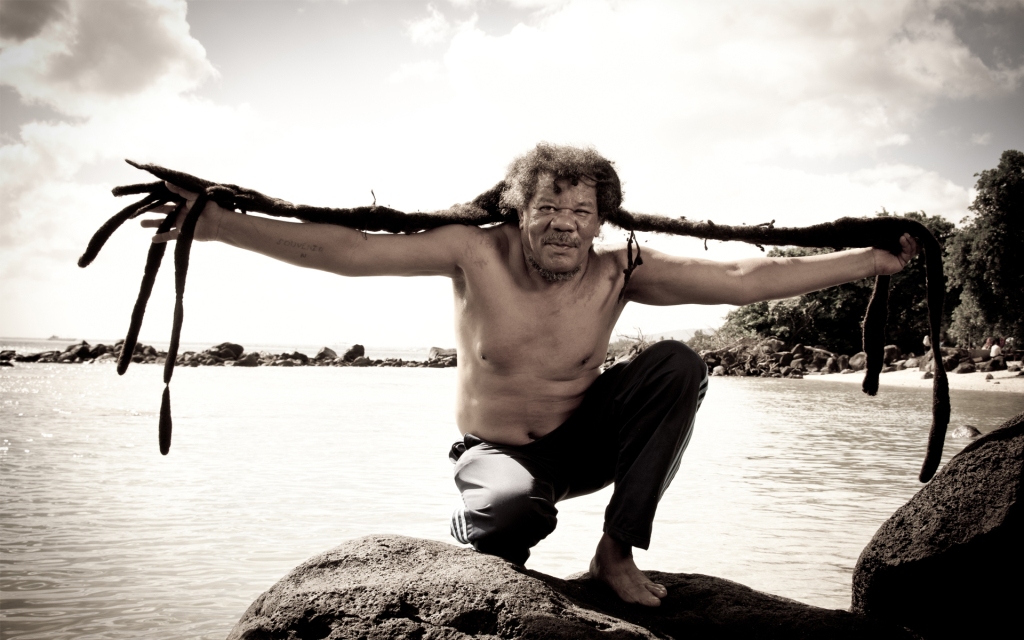
What is Seggae?
Before taking a closer look at Seggae, we have to talk about sega music, the traditional music of Mauritius Island that came out of slavery. Sega’s rhythm has some similarities to Salegy, the coastal music of Madagascar.
Sega spread throughout the Mascarene archipelago (Mauritius, Reunion, Rodrigues, Chagos and Agalega Islands) as well as the Seychelles. The afro-descendants or ‘kaffirs’ of Reunion Island also developed the Maloya.
Mauritius Island, once a French then British colony, has been an independent state since 1968. The island was inhabited by 160,000 slaves from Africa and Madagascar.
Sega, initially called Chega, Tsega or Chaga, is originally from Mozambique. The Macondé tribe of Mozambique named a rock, in the southwest of the island, after the Sega. Cassiya, the ‘Mauritian Kassav’ band, tells the history of Sega and slavery through songs.Their song ‘Le Morne’ refers to Le Morne Brabant where runaway slaves took refuge after the abolition of slavery in Mauritius in 1835.
From the traditional ravane, maravane and triangle of Ti Frère’s sega to the electric guitar and brass instruments of Windblows modern sega, this protean music could only merge with reggae music.
Sega was, for a long time, rejected for its sensual nature, as reggae, originating from Jamaican afro-descendants, carried strong political messages. Seggae, a fusion of sega and reggae was created in the late 80s by Kaya.
Kaya’s nickname comes from a song of the Jamaican artist and protester Bob Marley. Kaya sang: “Seggae man to vibrasyon bizin positif seggae man li pou viv so lavi ...” translated into “Seggae man, your vibrations must be positive, Seggae man can live his life."
The Kaya Revolution
On Sunday 21 February, 1999, Joseph Réginald Topize known as Kaya died under police custody, officially from a ‘fractured skull’. On 10 March, a second autopsy revealed that he was a victim of police brutality. Thus Kaya, originally from Roche-Bois, a very modest district of Port Louis, became a role model for the Mauritian youth.
His band, Racine Tatane, put forward by the promoter of concerts Percy Yip Tong, embodied values of unity, nonviolence and cultural blending of the Mauritian people.
Kaya was favourable to the legalization of cannabis, a very sensitive subject in Mauritius Island even today. He was arrested for smoking a marijuana joint on stage during a concert organized by the opposition party in Rose-Hill. Riots followed soon after causing one of the major social upheavals in Mauritius. Berger Agathe, another Seggae singer was shot by the police.
This dark period is called “Black February”. On the day of the funeral, the Mauritian youth gathered to sing one of Kaya’s most beautiful songs: ‘Ras Kouyon’. For Blakkayo, a singer of the new generation: “Kaya was a pioneer. He inspired us in making seggae and reggae music. When he left, we continued the fight."
Today, Seggae singers continue to pay tribute to Kaya. In 2014, the Reggae donn sa festival celebrated the 25th anniversary of seggae at La Nuit du Seggae at a stadium in Roche-Bois, a stadium symbolically named after Kaya.
The Seggae activist Ras Natty Baby
Joseph-Nicolas Emilien alias Ras Natty Baby was born in 1954, in Rodrigues island. The music legend declared that his surname comes from the day he was born, when his fairly tipsy father said: “Look at my baby."
Ras Natty Baby is one of the first reggae singers in Mauritius,where he has been living since 1973. As a child, he imitated popular singers like Mike Brant, Sheila, Marie Laforêt, Cliff Richard, Tom Jones, Nat King Cole, and Frank Sinatra.
In the 1970s, he started singing Reggae: “I began to sing songs of Bob Marley, Peter Tosh, Burning Spear, Bunny Wailer, Abyssinians, and Ethiopians."
Ras Natty Baby was one of the first ones to follow on the heels of Kaya. “In 1990, my new album ‘Nouvelle Vision’ was a hit,” he said. “Seggae gathered steam. We toured in the Indian Ocean islands and in Europe."
Ras Natty Baby also showed this side of paradise through his pro-environmental and political songs: " Mauritius isn’t all about white beaches and casuarina trees. There is wealth but there’s also poverty, despair, suicide, drugs, AIDS. We all need a roof, an education and a littlebit of happiness. Many people don’t have any. So many people are starving."
In 2013, the singer mobilized the population for Diego Garcia with the album Free Diego Garcia. The inhabitants of the atoll of the Chagos archipelago were deported in 1971 for the extension of an American military base.
The Rodska
The singer also created the Rodska, a style stemming from his home country. The Rodska is a fusion with ska: “The Breton François Leguat was the first to colonize Rodrigues Island. The accordion, the quadrille, the polka, the mazurka and Celtic music stayed in Rodrigues and have been ‘rodrigualised’. My album ‘Résurrection’ features Rodska songs namely ‘Rodska waka’, ‘Rodjam vibe’, ‘Protez nou l’ile’, and ‘Musik vs politik’." I try to offer the youth a wide and more varied repertoire.”
The seggae today: OSB crew, Tian Corentin
Tian Corentin, sega and seggae singer, excellent guitarist, and childhood friend of Kaya, is one of the singers from the new generation to emerge in the late 90s. His released the album Seggae Mania. Other popular artists include Monaster, Nas T Black, Negro pou la vi, Ras Minik, Lionkklash.
The “roots” Natir Chamarel band represented the Rastafarian community of Chamarel, a magnificent site, inthe southwest of the island, known for its seven coloured volcanic earth.
Their album ‘Nou natir sa’ released in 2013, exalted a certain ecological consciousness. Other artists like Ottentik Street Brothers (OSB) are influenced by the Jamaican hip-hop, the Ragga.
OSB was created in 1992 in Rose-Hill by Bruno Raya, alias Kool B, joined by the rapper Tikkenzo, the ‘lover boy’ Dagger Killa andBlakkayo.
OSB fought for the Creole identity to be recognized: “Here, everybody speaks Creole. But our administrative documents are in English. Lots of people do not understand English. We fought for Creole language. Now, the news is broadcasted in Creole."
In 2000, Blakkayo released its first album ‘Tchek to life’ on which he criticized the police. In 2003, he released the album ‘Xterminator’ featuring the hit song ‘Laparans’.
Today, Blakkayo sings with his band Solda Kaz bad, releasing a superb eponymous album in 2012.
Bruno Raya released the album ‘Restdeterminé’, featuring his wife Linzy Bacbotte, a famous seggae singer. In 2010, Linzy released a feminist seggae song: ‘Fam exampler’.
There is a new generation of seggae singers. Tiras, from Agalega archipelago, released the clip ‘Rar tann koz li’in2015. In May 2015, Murvin Clélie and his band Prophécy released the 21st century album.
Mr Love and his bandSystem Rare known for the song ‘The hope’, inspired by Caribbean zouk.


Most popular

Top amapiano songs of 2026
16 Feb 2026

Top Afrobeats songs of 2026
19 Mar 2026
Top Naija songs of 2026
31 Mar 2026
Open call: 2026 Gender@Work music industry training in Johannesburg
09 Oct 2026
Gambia: Suntou Susso announce UK tour for ‘The Path of a Griot’
09 Oct 2026
ACCES unveils stellar programme for 2026 edition
17 Oct 2026
Disclaimer: Music In Africa provides a platform for musicians and contributors to embed music and videos solely for promotional purposes. If any track or video embedded on this platform violates any copyrights please inform us immediately and we will take it down. Please read our Terms of Use for more.

Subscribe to our monthly Newsletter
Follow us on social media


Please log in to post a comment.