

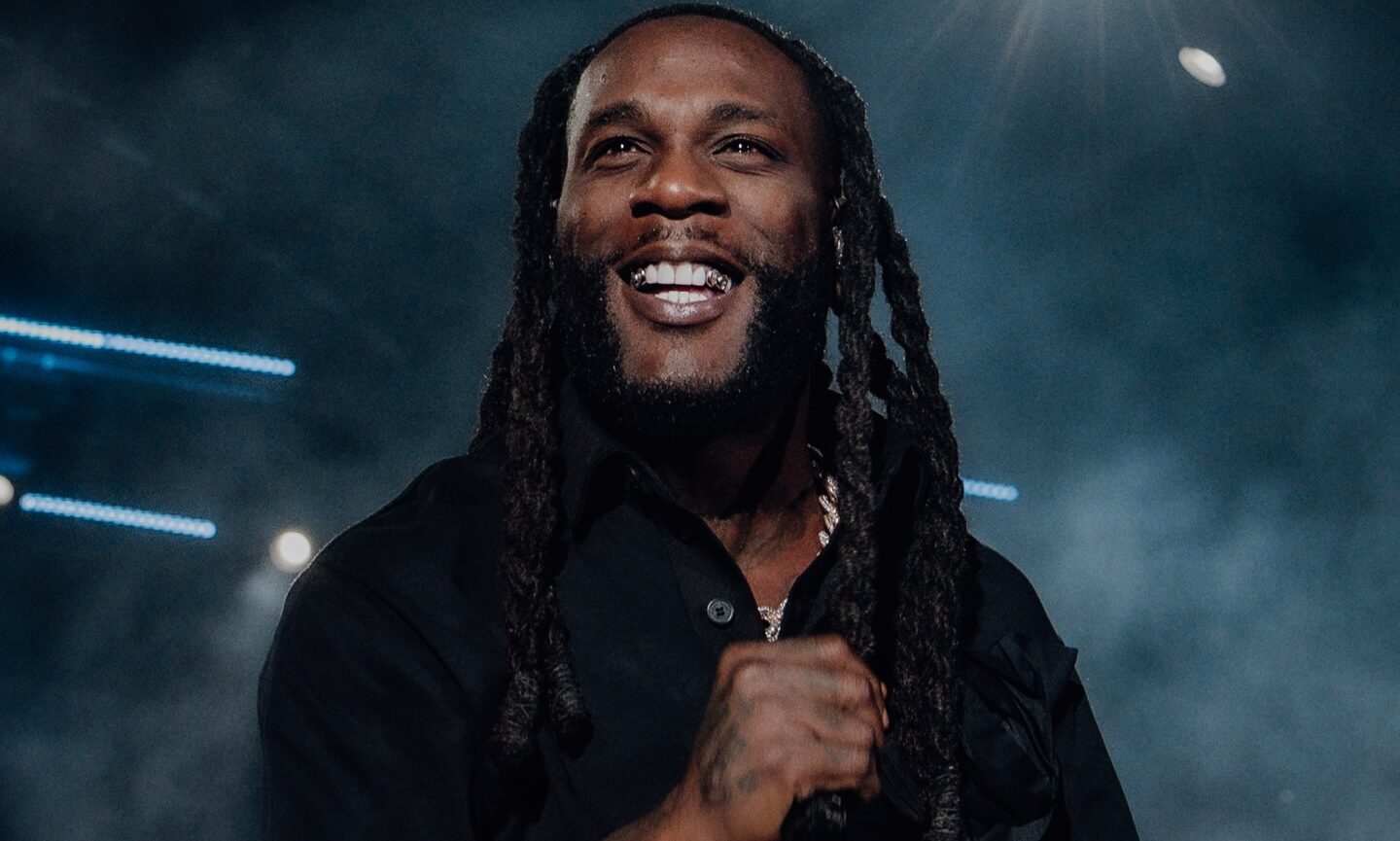


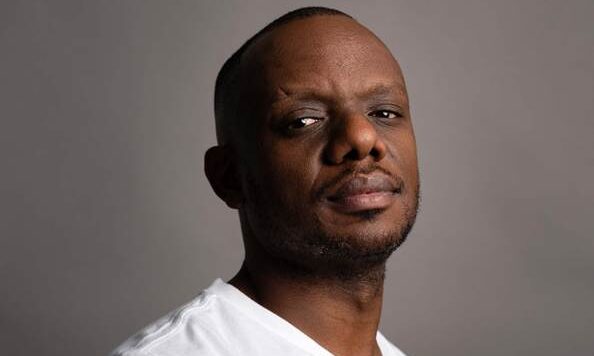















































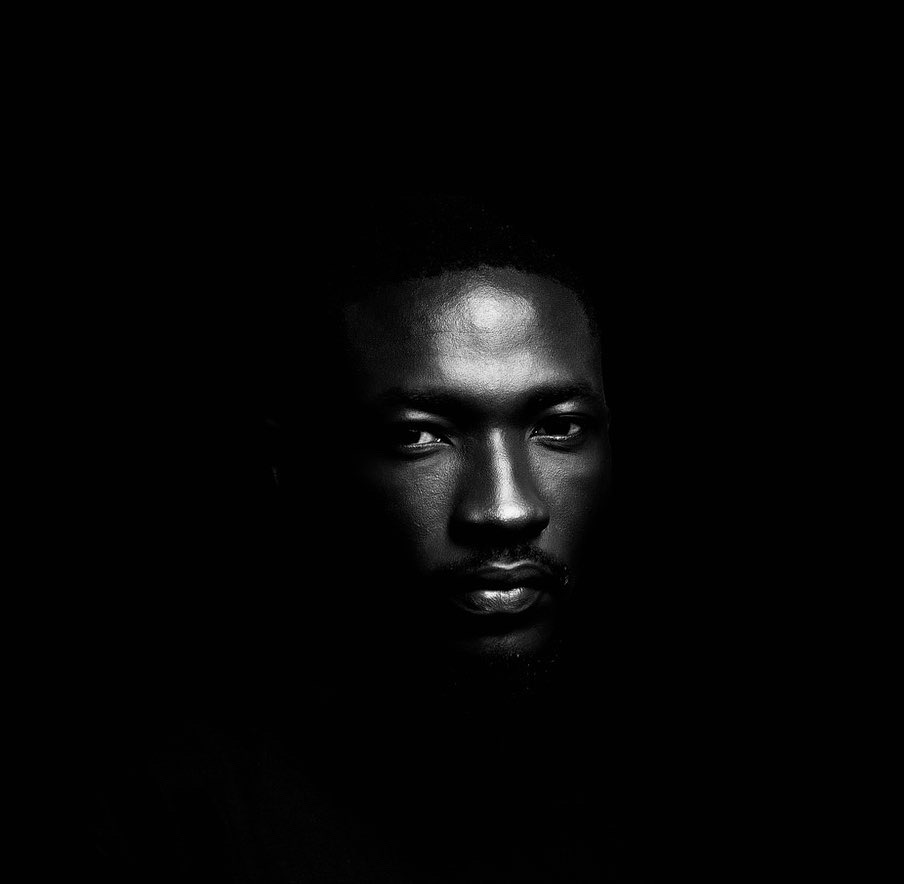


Given a choice, Fireboy DML always goes for the soulful. The Nigerian singer, who is the source of two albums laden with hauntingly syrupy offerings, enjoys a growing reputation not only as an innovative artist pushing the boundaries of Afropop, but also as an attentive and thoughtful songwriter and Afrobeats revisionist.
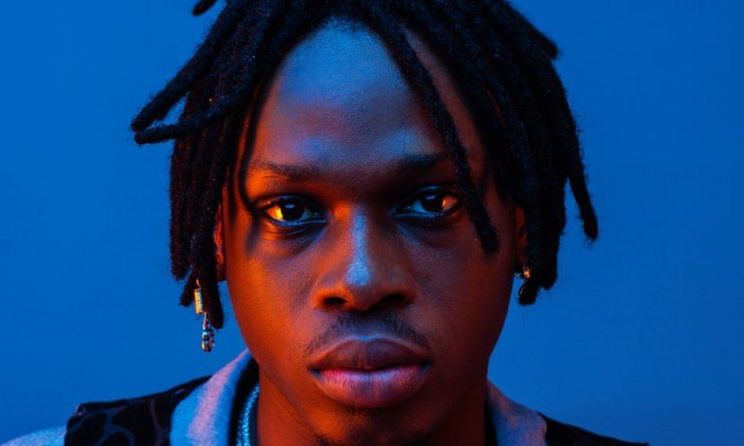
If you hear distinct traces of Jon Bellion, Passenger and Wande Coal in Fireboy DML’s work, it is because they constitute the foundation of his sound. Needless to say, collaborating with Wande Coal on Fireboy DML’s 2020 sophomore album Apollo induced self-pinching.
Fireboy DML, signed to YBNL/Empire, grew up singing in his local church choir. His breakthrough came in 2018 with ‘Jealous’ off the YBNL MaFia Family compilation album. Since then, he has gone on to chalk up massive achievements, including scoring a FIFA 21 soundtrack slot with his 2019 single ‘Scatter’ and appearing on The Tonight Show Starring Jimmy Fallon. Last month, he released four newly recorded tracks as part of Apple Music’s Home Session series, which involves stripped-down, at-home performances that will see various artists reimagine signature songs and covers. Fireboy DML’s setlist features three tracks off Apollo, including ‘Airplane Mode’, ‘Tattoo’ and ‘Champion’, as well as a cover of Wande Coal’s ‘Again’.
The ‘Eli’ hitmaker says becoming notable for the art of songwriting is a good thing because it aligns with his mission to keep improving his craft. “When I came into the industry, I wanted to be known for something,” he says. “Not just a different sound but a different spice that I bring to my own Afrobeats. That was the intention right from the beginning, so songwriting for me is my thing and becoming notable for it is more like a huge thing for me, rather than a pressure in any way.”
On the belief that to achieve Afropop success one must lead with melody and vibe, and then lyrics, Fireboy, who many say has mastered walking this tightrope, notes that there’s a place for each variable. Sometimes he even compromises lyrics for melody and vibe, he concedes, because as much as he loves to write and be cohesive, he also wants the listener to “feel proper Afrobeats.”
“It’s not just about songwriting for me. Sometimes, it’s about the melodies, it’s about the vibe. Basically, that’s just what Afrobeats is. I cannot entirely alter the whole status quo so I don’t think that’s true. You don’t have to compromise your songwriting and I have proved that a lot of times – but also, sometimes you do have to compromise lyrics for melody and vibes depending on the kind of song it is. I’m just bringing my own different spice into it.”
Fireboy DML calls this different spice “Afro-life“. It’s not necessarily a genre – it’s beyond that. It’s an identity for his sound: Afrobeats with more soul and lyricism. Fans of his music will notice that Fireboy DML’s relationship with the enterprise of collaborations is quite intriguing. He owes his success largely to his solo efforts. His debut, the 13-track Laughter, Tears and Goosebumps, is devoid of guest features.
“Right from the jump, even when I was underground, it would always be me, in my room, lights off, just recording, getting bits off YouTube, getting bits off random producers, just creating and creating. I never even used to send my song to my fellow colleagues or friends to listen to. It was always just me. I literally taught myself to be able to discern when I create and whether it was great or not. I have always been that sort of guy. When I blew up with ‘Jealous’ and followed up with ‘What if I Say’ and ‘King’, my management and myself thought it was time for an album. I just knew that it had to be a solo debut album because it was me introducing my sound to the universe, and I didn’t want anybody else’s sound on it. It was just me.”
The success of the album was attended by opportunities for collaborations. Still, he needed time to cement his sound and place in the industry before catering to collaborations. As his career has progressed, it appears that Fireboy DML is finally warming up to the idea, albeit at a snail’s pace. The 17-track Apollo features just three collaborators from D Smoke, Wande Coal, whom Fireboy credits with “bringing soul” to Afrobeats, and Olamide. He has also joined Peruzzi and newcomer Cheque on a few tracks.
“Collaborations have always been largely responsible for the huge impact that Afrobeats has had over the years,” he says. “I would love to be a part of that too, I would love to be involved. I have been connecting with other artist communities across the globe and this year and next year will be filled with collaborations.”
Both Fireboy DML’s debut and sophomore albums were up for multiple Headies Awards earlier this year, securing him four gongs including Best Pop Album, Best R&B Album, Headies Revelation and Best R&B Single. Even if awards are not a priority for him, being the biggest winner at the Headies must be flattering. For the musician, fans constitute major validation, and accolades like the Headies are significant because it means that his work is being recognised by not just fans but gatekeepers too.
A lover of fiction, Fireboy says that the storytelling medium has influenced his work in a profound way. “It’s so beautiful to read from someone’s imagination and have them bring you into that same imagination. It’s such a surreal thing that is almost inexplicable – to be able to create something in your head and write it down and bring millions of people into that world without even moving an inch.”
He confesses that often, when he composes, he draws solely from his imagination. “People tend to think that because my songs are so relatable, they are about myself. No, I put myself in someone’s shoes most of the time or I learn from other people’s stories or I imagine people’s stories, because I experience stuff and I know how human beings feel. I know what human beings go through, I know how they think. So it’s easy for me to imagine stuff and make you feel like you can relate to it.”
There’s no debate on the terrific run Fireboy has had so far, and, judging by how frequently he shows up on lists of new Afrobeats pathfinders, it is safe to say that things are about to get significantly better. Fireboy DML says he “doesn't really” want to think about being labeled in this way. Still, he hopes to be part of “artists that can be considered responsible for taking Afrobeats global.”


Most popular

Top amapiano songs of 2026
16 Feb 2026

Top Afrobeats songs of 2026
19 Mar 2026
AFRIMA 2026: All the winners
12 Jan 2026

Call For Applications : ACCES seeks a UK-based performer
10 Sep 2026
Open call: Goethe-Institut grants for Southern African creatives
08 Sep 2026

Top Naija songs of 2026
31 Mar 2026

Open call: Ernst von Siemens Music Foundation 2026 funding programmes
04 Sep 2026
Disclaimer: Music In Africa provides a platform for musicians and contributors to embed music and videos solely for promotional purposes. If any track or video embedded on this platform violates any copyrights please inform us immediately and we will take it down. Please read our Terms of Use for more.

Subscribe to our monthly Newsletter
Follow us on social media


Please log in to post a comment.