



























NEFCISA
NEFCISA

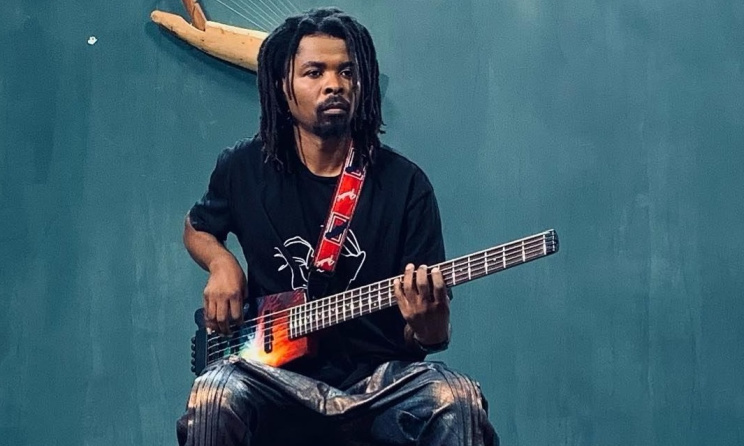
The Music In Africa Foundation (MIAF) is proud of its partnership with the Industrial Development Corporation (IDC) as a Strategic Implementing Partner (SIP) for its Social Employment Fund (SEF). Through this collaboration, MIAF is running a national programme that is creating jobs, addressing skills gaps, and strengthening South Africa's creative industries — in line with the SEF's overarching goal to generate work for the common good and build community value through employment, social contribution, and inclusive economic participation. Operating under the banner NEFCISA (National Employment Facility for Creative Industries in South Africa), the initiative is recruiting and training participants, matching them with host organisations, and has already placed 1 500 workers across the country — surpassing its original target of 1 000. NEFCISA is delivered through a network of 20 host organisations spanning five provinces, who are actively hosting participants and contributing to work for the common good across South Africa's creative and cultural industries. Key Objectives: Support employment and entrepreneurship in the creative industries. Offer skills development and training programmes. Foster partnerships between public and private creative sectors. Promote South African creativity at both provincial and national levels Foster community development through social contribution.

ACCES
ACCES

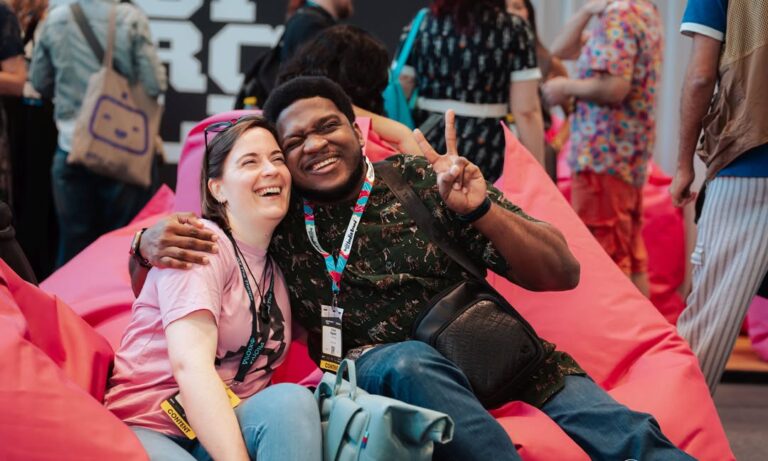
ACCES Conference and Showcase Festival is Africa's leading music industry gathering, bringing together the people shaping the future of the continent's music business. Artists, entrepreneurs, executives, investors, policymakers and cultural leaders from across Africa and around the world come to ACCES to build partnerships, exchange ideas, discover talent and create new business opportunities. Since its launch in 2017, ACCES has become the continent's premier platform for professional exchange and music market development. Combining a high-level conference with a curated showcase festival, networking, exhibitions and industry programmes, ACCES offers a unique space where creativity meets business and where African music connects with the global industry.

Gender@Work
Gender@Work

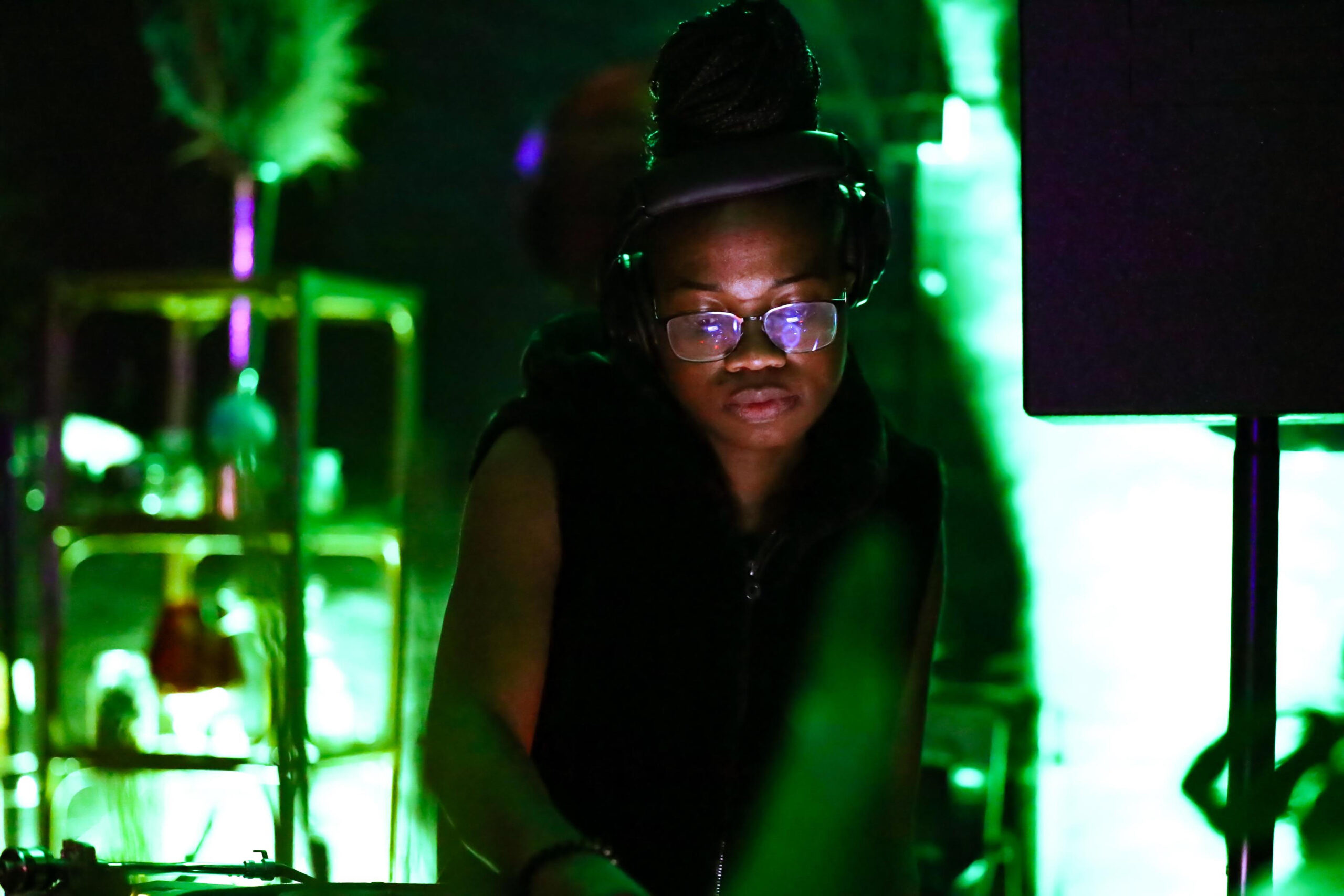
Music In Africa Gender @ Work is a three-year training programme aimed at upskilling and increasing the participation of female professionals in the African music sector. Launched by the Music In Africa Foundation (MIAF) in April 2019, the programme is connected to the MIAF’s ACCES music conference – a pan-African event held in a different African country every year. This connection enables the programme to reach new participants in a different African country every year. The programme marks the beginning of a more concerted effort by the Foundation to support the participation and inclusion of women in all facets of its programmes and the music sector in Africa as a whole. Over the three years, the programme will aim to address gender imbalances in the sector through training, lobbying, facilitating knowledge exchange and dialogues that foster the interest of women. The broader objectives of the programme are to: Provide industry training for women on critical music industry skills, focusing on: Stage management Electronic music production and recording Music business management Technical knowledge Provide an opportunity for both professional and aspiring women to benefit from the Music In Africa network and its broad range of activities in 2019, 2020 and 2021. Provide a solution-based platform in the form of a round table at ACCES with a view to identify challenges, discuss opportunities and lobby for the interests of female practitioners. Offer participants the opportunity to benefit from programmes offered by MIAF’s partners. Increase access to educational materials. Integrate participants in the broader ACCES programme to maximise experience and exposure to the industry. Record and present training materials on the www.musicinafrica.net, including but not limited to tutorials, templates and other best-practice materials. Communicate women-based themes that support the initiatives and messages of the programme. MAIN TRAINING ACTIVITIES Training in first country (Ghana): In the first year, participants will be trained on all aspects of stage management by a team of experienced stage managers from 10 to 17 November 2019. The programme will offer robust classroom training as well as practical, hands-on training in which participants will also be given the opportunity to manage various aspects of the ACCES performance programme. Training in second country: The second training iteration will take place at ACCES 2020 when the programme will diversify its course to include music production lessons and training on other music business topics. A round-table platform will also be introduced to coincide with the ACCES programme. Training in third country: The third training iteration will take place at ACCES 2021 in a different country, offering an advanced course. HOW DO YOU GET INVOLVED?  As a participant, facilitator or trainer: The programme enrolls up to 12 trainees every year. All opportunities are advertised publicly on this website, and will be added to this page. Please keep checking this page for new calls (below under UPDATES & CURRENT OPPORTUNITIES). As a partner Please contact Claire Metais at [email protected]. APPLY The call for applications for 2020 will be announced soon. The Music In Africa Gender @ Work programme is made possible with the support of the Prince Claus Fund, Siemens Stiftung and Goethe-Institut.

Sound Connects Fund
Sound Connects Fund

For cultural and creative practitioners and organisations operating in southern Africa, access to funding remains a major challenge. The COVID-19 pandemic has also had a massive impact on government policy, spending and the economy in general, and has seen spending on culture being moved further down the list of priorities. Further, the cultural and creative industries repeatedly cite four main areas where investment is needed for growth, which are increased visibility, mobility including access to new markets, finance and support structures.

Instrument Building And Repair Project

Experience the Vibrations African Instruments Exhibition online in 3D

Features

Ghana: African Music Business Dialogue urges knowledge sharing

14 Apr 2022 - 10:27

cc-img flag-img

With African music enjoying renewed global demand, there is a growing call for stakeholders on the continent to protect the creators within the industry, as music streaming on the continent is predicted to be five times more in 2025 than it was in 2017, according to a World Bank blog.
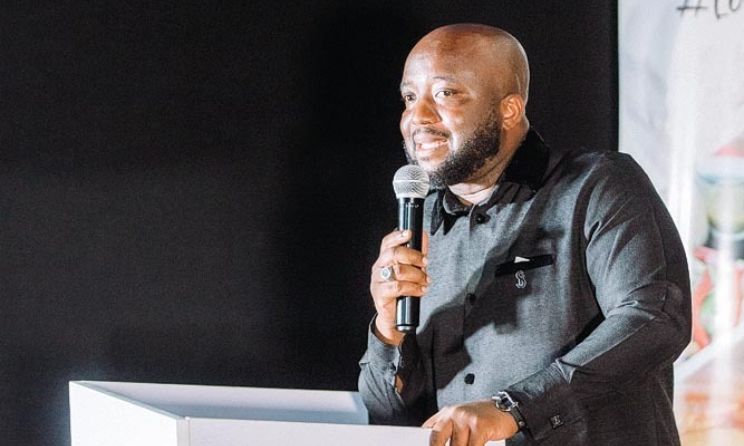
Trigmatic speaking at the inaugural African Music Business Dialogue back in March.

Ghanaian musician and creative entrepreneur Trigmatic told Music In Africa that the vast potential of the creative industry as an economic booster, as seen in the US, Europe and African countries such as Nigeria, inspired him to organise the inaugural African Music Business Dialogue (AMBD). The event was held in March and welcomed industry professionals from across the continent to Ghana’s capital Accra. Running under the theme, The Bigger Picture: Action Today, Wealthier Tomorrow, the conference was an addition to a growing list of African forums aimed at facilitating key conversations to drive the industry, particularly as it settles into the digital era.

AMBD saw discussions around revenue generation for all players in the value chain while unpacking untapped opportunities. The seminar also tracked the journey of Ghana’s music industry, its growing festival culture, and the country as a tourism hub enabled by a burgeoning music industry.

Speakers on the bill were Afro Nation Ghana festival boss and The Rave Group CEO Ruddy Kwakye, sound engineer and producer Kofi ‘IamBeatMenace’ Boachie-Ansah, creative entrepreneur George Nii Ofoli Yartey, veteran producer and label exec Panji Anoff, Ugandan TV presenter and music PR expert Sheila Gashumba, and Michelle Mckenzie, who heads UK-based social enterprise Urban Inclusion Community, among others.

“Whenever Africa shows the world that it has gotten something, Africans get excited when the world jumps on it and it makes them lost in the mix of it all,” Trigmatic, who was recently appointed to the governing body of the National Folklore Board, said. “The concern is to discuss how Africans can benefit from the high demand for African music”.

The musician also cited a lack of administrative support despite the creation of regular creative partnerships. He said that while some African countries had shown progress in their approach to the music business, the entire ecosystem was not on par yet, and this is where AMBD came in.

Boachie-Ansah stressed the value of platforms like AMBD to empower the creative industry. He said creatives had more opportunities than ever before to leverage professional careers. He lauded the event for exploring subjects like intellectual property, branding and marketing in the African context.

“We are living in the age of information and information is a very important currency,” he said. “For us to compete or thrive in this fast-evolving digital landscape with regard to music and other digital media, there is the need to normalise conversations and understand how to leverage IP and make sustenance out of it.”

Boachie-Ansah believes that although social media has become an everyday tool of communication for the masses, there are intricacies in the digital landscape that creatives need to be trained on to yield positive results. In this way, conferences such as AMBD serve as important conversations to evaluate the potential of digital for music creators.

Music lawyer Adwoa E Paintsil, who was a panellist during one of the sessions, lamented the information gap that she hoped events like AMBD could bridge. “Even in 2022, people are still making basic mistakes they could have avoided if they had just one of these sessions and just listened. And I see it, litigation can be very expensive, draining and demoralising. If you’re fighting big corporations, you’re at a disadvantage from the start.”

In the next five years, Paintsil hopes to see artists equipping themselves with the legal knowledge required to navigate the particularities of intellectual property. “I don’t want to be reviewing contracts and you’ve signed away your music and basically your life,” she told delegates “I want to see a world where artists are making their worth, because creativity is important, music is important, and it’s important that people are rewarded for their work. I want artists to do better, to read for self-development. Read wide, read every single term. If you don’t understand, use a dictionary so that you don’t find yourself in certain dilemmas years down the line.”

Touching on the importance of PR for creatives, Gashumba said that while many people knew about the production aspect of the music industry, more needed to be done to sensitise artists about the integral role PR played in the success of releases. She also spoke about social networks, particularly TikTok, Instagram and Twitter, as platforms that could engage wider audiences, apart from traditional media.

On tackling structural challenges in the music industry, Boachie-Ansah suggested a concerted effort among creatives. “For you to change a system, you need to come as a unified front,” he said, adding that “the more we have such exchanges, the more we close that knowledge gap.”

The AMBD organisers say they are planning another conference later in 2022, to revisit Ghana’s first president Kwame Nkrumah’s vision for a united Africa through music.

Please log in to post a comment.

Most popular

Disclaimer: Music In Africa provides a platform for musicians and contributors to embed music and videos solely for promotional purposes. If any track or video embedded on this platform violates any copyrights please inform us immediately and we will take it down. Please read our Terms of Use for more.

newsletter banner

Subscribe to our monthly Newsletter

Follow us on social media