

















































Despite the relatively healthy output of music in Lesotho every year, many leading artists in the small southern African nation still struggle to make a living from their works due to inadequate copyright and royalty management systems[1]. There have been some attempts to fight piracy, and some minor royalties have been paid to artists and songwriters, but many still face significant challenges[2]. The related issues of copyright infringement and royalty payments, therefore, create a serious need for policy formation and implementation. This article seeks to unpack the underlying problems experienced by musicians in Lesotho, by reviewing the history of copyright and royalty regulations in the country and outlining some of the persistent challenges facing musicians who seek to be duly compensated for their work.
Legislation
The music industry in Lesotho is still in its infancy as far as copyright enforcement and royalty management is concerned. Despite ongoing complaints by Lesotho artists that their trade is being jeopardised by piracy[3], progress on the matter has been slow.
Testimony to this is that the art industry in Lesotho was governed by the largely unenforced Copyright Order of 1989 until 2015, when Tourism, Environment and Culture Minister Likeleli Tampane finally proposed a comprehensive Copyright Regulations Bill to amend the outdated 1989 Order[4]. The bill would see Lesotho’s musicians paid based on the amount of radio airplay their songs received, as well as setting up reciprocal systems for international royalty payments[5].
The development of the regulations was, in no small part, the result of the efforts of the Lesotho Music Rights Association (LEMRA), which successfully advocated for the government to fight against piracy and non-payment to Basotho musicians[6].
Challenges faced by Basotho artists
However, even in the wake of these amendments, musicians in Lesotho face significant challenges in terms of getting paid for the use of their music and protecting their works from piracy. Although the situation may have improved since the 1980s – when award-winning famo musician Puseletso Seema, who has more than 300 recorded songs to her name, was given 18 cents by her producer when she demanded that he pay her royalties[7] – there is still much work to be done.
This became clear in an interview with one of the leading gospel artists in Lesotho, Tsepo Kherenchane, who said that in order to qualify for royalties, artists in Lesotho had to cross the border to register with the Southern African Music Rights Organisation (SAMRO). This had proven to be a challenge for a number of famo artists, who often did not work with experienced managers and who lacked the knowledge or means to register their music in this way. In October 2017, South Africa’s Independent Music Performance Rights Association (IMPRA) called on Lesotho's artists to submit their music for third-party use, which was expected to garner royalties[8]. However, even if artists are successful in registering their music with SAMRO or IMPRA, potential royalties will still depend on their music getting enough airtime on the competitive South African airwaves[9].
According to producer and artist manager Mahapela Mohale, who is one of the founding members of LEMRA, the association is still beholden to the Ministry of Tourism, Environment and Culture for some executive appointments, and there is work to be done before it can become a fully operational and self-sustaining organisation. In 2017 he said that artists did not receive any compensation when their music was played on Lesotho’s radio or TV stations[9].
But Mohale said there was reason for optimism. For instance, since its inception, LEMRA had been instrumental in stemming piracy, which had become rife and uncontrollable in the years preceding 2007, even leading to the assault of musicians at the hands of street vendors[11]. It is now uncommon to see vendors selling counterfeit music in the streets of the capital Maseru, or any other urban area in Lesotho. Mohale said it had to be noted that the decrease of CD and DVD sales coincided with the digitisation of music, where more and more people were using mobile devices to store and access music, which itself was often pirated[12].
Mahapela drew attention to the complexities involved in the fight against piracy. He said some of the greatest challenges LEMRA was facing were logistical in nature: for example, the country had few police officers with training in intellectual property crimes, and this lack of expertise even extend to the court judges responsible for arbitrating cases of copyright infringement. This caused unnecessary delays in prosecuting piracy cases, and as a result many intellectual property crimes went unprosecuted with potential offenders never effectively deterred[13].
Conclusion: Implications for policymakers
The government of Lesotho, through the mandate of the Ministry of Tourism, Environment and Culture, needs to work together with all relevant stakeholders, chief among them LEMRA, to fast-track the payment of royalties to Basotho artists. In addition, the issues of copyright infringement and intellectual property crime should be brought clarly into the public domain, and relevant legal bodies – such as the police and judiciary – are in need of resources and training to lead the fight against music pirates.
Resources and citations:
- [1] http://sundayexpress.co.ls/man-of-the-people/
- [2] Interviews with Tsepo Kherenchane and Mahapela Mohale (2017)
- [3] & [11] http://sundayexpress.co.ls/famo-artiste-assaulted-during-confrontation-with-vendors/
- [4] & [5] http://sundayexpress.co.ls/new-law-to-ensure-royalties-for-artistes/
- [6] http://www.lmra.co.ls/about-us/
- [7] http://www.thepost.co.ls/news/the-crazy-story-of-puseletso-seema/
- [8] http://www.lestimes.com/artistes-urged-to-register-for-royalties/
- [9] Interview with Tsepo Kherenchane (2017)
- [10], [12] & [13] Interview with Mahapela Mohale (2017)
Disclaimer: Music In Africa's Overviews provide broad information about the music scenes in African countries. Music In Africa understands that the information in some of these texts could become outdated with time. If you would like to provide updated information or corrections to any of our Overview texts, please contact us at [email protected].
Editing by David Cornwell


Most popular

Top Naija songs of 2026
31 Mar 2026

Top amapiano songs of 2026
16 Feb 2026

Top Afrobeats songs of 2026
19 Mar 2026

AFRIMA 2026: All the winners
12 Jan 2026

Visa appoints Fally Ipupa as face of Visa Pay in Democratic Republic of Congo
23 Sep 2026
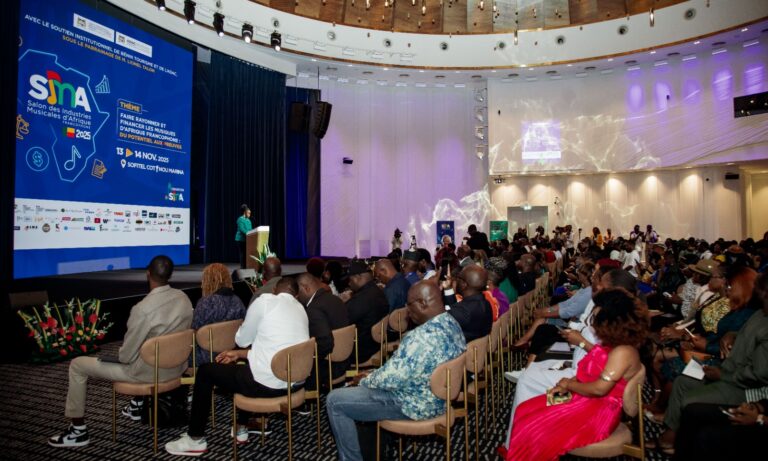
Benin: SIMA to hold third edition in November
25 Sep 2026
Disclaimer: Music In Africa provides a platform for musicians and contributors to embed music and videos solely for promotional purposes. If any track or video embedded on this platform violates any copyrights please inform us immediately and we will take it down. Please read our Terms of Use for more.

Subscribe to our monthly Newsletter
Follow us on social media


Please log in to post a comment.