






















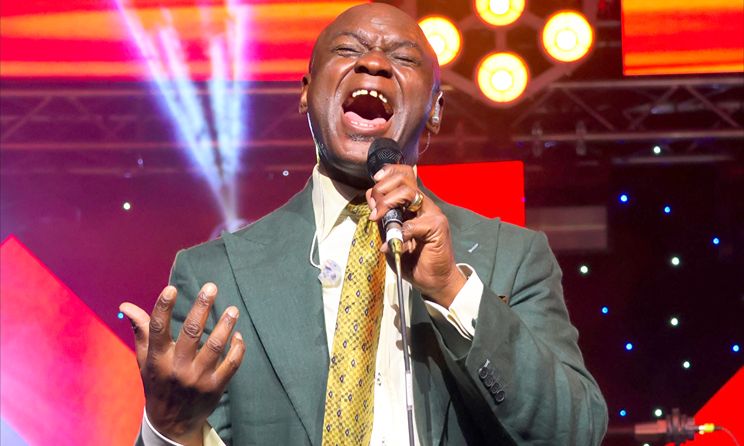
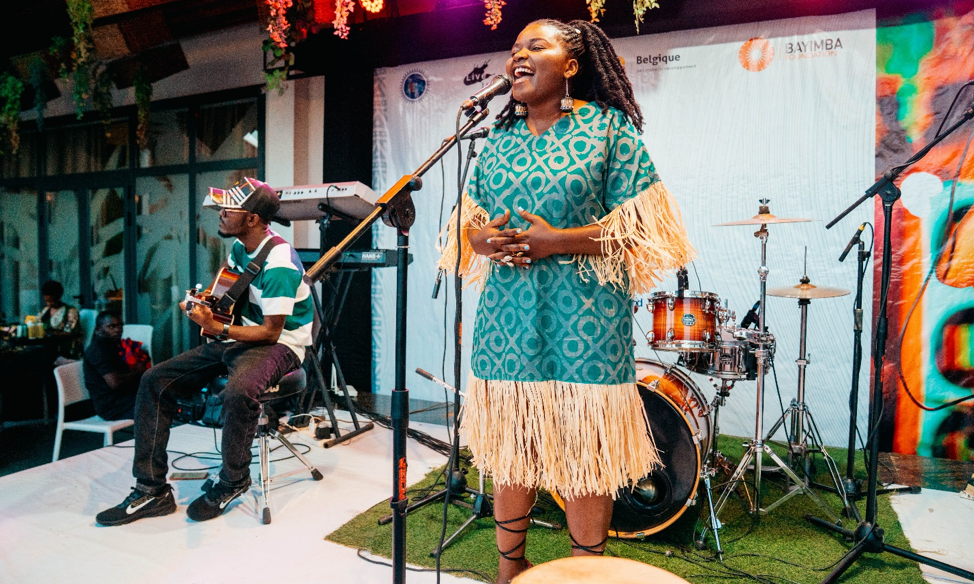






















The organisers of the South African Music Awards (SAMAs) are calling on artists to submit their entries ahead of the awards ceremony in 2020.
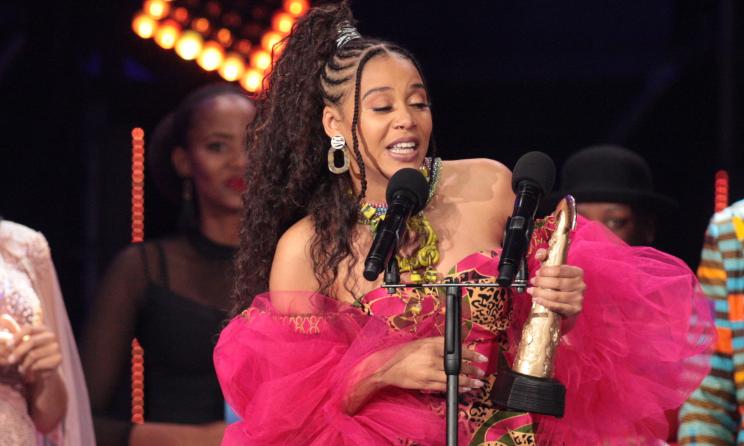
The call is intended for artists whose music was released between 1 February 2019 and 31 January 2020. Interested artists can enter here.
The submission deadline is 31 January.
How to enter
- The Recording Industry of South Africa (RiSA) provides entrants with forms that must be completed and submitted online. On completion of the online entries, the following assets are required to have reached the RiSA office by no later than the published closing date of the competition, failing which the entry is disqualified: RiSA Unit 1 152 Bram Fischer Drive Randburg 2196, Johannesburg.
- If an entry is by a member of RiSA, the proof of payment of the prescribed RiSA levies up to the date of entry and RiSA membership fee.
- The proof of payment of the entry fees for each category entered.
- The prescribed number of copies of the entered album, single or DVD, in the specified format.
- A declaration of all licenced recordings on any album entered, in particular for the Best Dance, Best Hip Hop and Best Kwaito album genre categories.
- In the Best Collaboration category, written approval by a collaborating artist who is not signed to the entrant.
- In the Best Remix category, the original recording must be submitted and the original repertoire owner must authorise the entry in writing.
- The prescribed publicity materials of groups or individuals entered into the SAMAs.
- A help desk with designated SAMAs officials will be made available at the RiSA offices for those who are unable to enter online.
Rules and regulations
- The 26th annual SAMAs will open for entry on 1 November 2019, and close on 31 January 2020. An official announcement will be made prior to the opening date through direct communication to the members of RiSA, as well as public announcements through various media platforms including the SAMAs and RiSA websites.
- Record companies and individual artists are required to submit entries in accordance with the published rules of the SAMAs rules.
- The entries received are then screened for compliance with the SAMA Rules in order to ensure that they are eligible and that they were submitted into the correct award categories. Vetting Committee members overseen by designated SAMAs officials, carry out this screening process, known as vetting.
- No artistic or technical judgments are made during vetting, and all ineligible entries that do not comply with the SAMAs Rules are disqualified subject to the RiSA office informing the relevant entrants and providing them with reasons. Entries that are found to be in the incorrect categories do not get disqualified but the vetting committee may move them to more appropriate places in consultation with the entrants, who shall have the final say on the location of their entries.
- A panel of judges adjudicates all SAMAs categories with the exception of the Public Vote, Lifetime Achievement, International Achievement and Best Selling awards. Generally, there is a different judging panel for each category and its composition gets reviewed annually. Members of the Steering Committees select the judges and members of the Supervisory Committee confirm them, considering their level of expertise in the relevant category, and their general knowledge of the music industry.
- After the vetting process has concluded, all eligible SAMAs entries are forwarded to the judges who adjudicate using the SAMAs electronic judging system, in accordance with defined guidelines and by applying the assessment criteria for each category. The SAMAs electronic judging system configured with a weighting criterion for each category, which is not visible to the judges. The weighting criterion is predetermined by the members of various Steering Committees and it contributes to the final ranking of the judges’ choices in each category.
- In the interest of uniformity, independent auditors collate the results returned by judges into auditable sets.
- The auditors then calculate the results on which the list of five nominees per category is based and they ensure that the choices of the judges have been arrived at in accordance with all the relevant rules of each category.
- Once the nominees for all categories have been collated, they are announced at RiSA’s discretion.
- Finally, the winners are announced at an awards ceremony.
“The SAMAs are designed to honour and appreciate the best of the best across the South African music landscape through a weekend of glitz and glamour with the most coveted award on offer for the winner,” the SAMAs said. “We recognise excellence in the body of work delivered by artists/groups. Popularity is not a criteria for the SAMAs, but excellence is.
“The SAMAs celebrated a milestone of 25 years of existence earlier this year which coincided with the 25 years of democracy in South Africa. 2020 marks the beginning of a new era, a new decade and energy. The SAMAs pride themselves as being the only award ceremony that recognises all genres in the South African kaleidoscope. We also strive to achieve social cohesion through the live experience of all South Africans.”
RiSA CEO Nhlanhla Sibisi said: “A new beginning is upon us and music is a part of the changing trends. The SAMAs are well known for reflecting the changes in the industry. We are moving into interesting times as a nation and music will always be part of that movement. We cannot wait to receive the sounds that will lead us into this new era.”
Below is the full list of categories:
- Album of the Year
- Best Adult Contemporary Album
- Best African Adult Contemporary Album
- Best African Indigenous Faith Album
- Best Afro Pop Album
- Best Alternative Album
- Best Contemporary Faith Music Album
- Best Dance Album
- Best Engineer
- Best Hip Hop Album
- Best Jazz Album
- Best Kwaito/Gqom/Amapiano
- Best Live Audio Visual Recording
- Best Maskandi Album
- Best Pop Album
- Best Produced Album
- Best R and B/Soul Album
- Best Reggae Album
- Best Rock Album
- Best Selling Artist
- Best Selling DVD
- Best Traditional Album
- Best Traditional Faith Music Album
- Beste Kontemporere Musiek Album
- Beste Pop Album
- Capasso Best Selling Digital Download Composers Award
- Collaboration of the year
- Duo / Group of the Year
- Female Artist of the Year
- Lifetime Achievement Award
- Male Artist of the Year
- Music Video of the Year
- Newcomer of the Year
- Record of the Year
- Remix of the Year
- Rest of Africa Artist
- SAMPRA Highest Airplay Song of the Year
- SAMRO Composers Highest Airplay Award


Most popular

Ghana: Mr Eazi and MOLIY’s ‘Comfort’ earns Urban Music Awards nomination
21 Oct 2026

Top Afrobeats songs of 2026
19 Mar 2026

Top Naija songs of 2026
31 Mar 2026

Wizkid to headline Detty December Fest’s 2026 opening concert in Lagos
14 Aug 2026

Top amapiano songs of 2026
16 Feb 2026
Nigeria: CANEX WKND unveils 2026 programme
21 Oct 2026
Disclaimer: Music In Africa provides a platform for musicians and contributors to embed music and videos solely for promotional purposes. If any track or video embedded on this platform violates any copyrights please inform us immediately and we will take it down. Please read our Terms of Use for more.

Subscribe to our monthly Newsletter
Follow us on social media


Please log in to post a comment.