












NEFCISA
NEFCISA

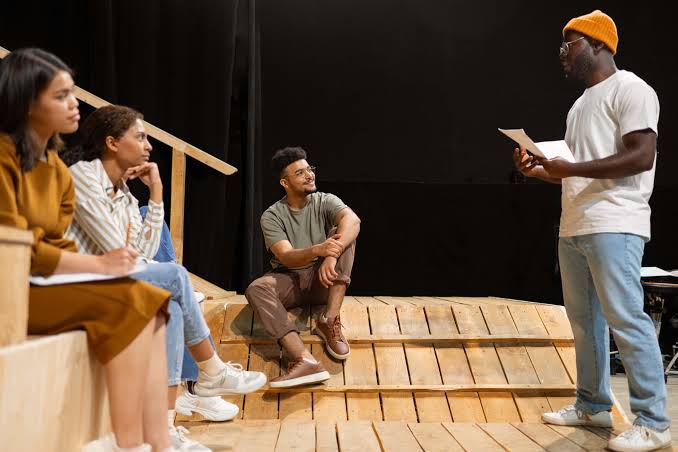
The Music In Africa Foundation (MIAF) is proud to announce its partnership with the Industrial Development Corporation (IDC) as a Strategic Implementing Partner (SIP) for its Social Employment Fund (SEF). Through this collaboration, MIAF is launching a new national programme designed to create jobs, address skills gaps, and strengthen South Africa’s creative industries — in line with the SEF’s overarching goal to generate work for the common good and build community value through employment, social contribution, and inclusive economic participation. Operating under the banner NEFCISA (National Employment Facility for Creative Industries in South Africa), the initiative will recruit and train participants, match them with host organisations, and place a minimum of 1 000 workers across the country. Key Objectives: Support employment and entrepreneurship in the creative industries. Offer skills development and training programmes. Foster partnerships between public and private creative sectors. Promote South African creativity at both provincial and national levels Foster community development through social contribution.

ACCES
ACCES

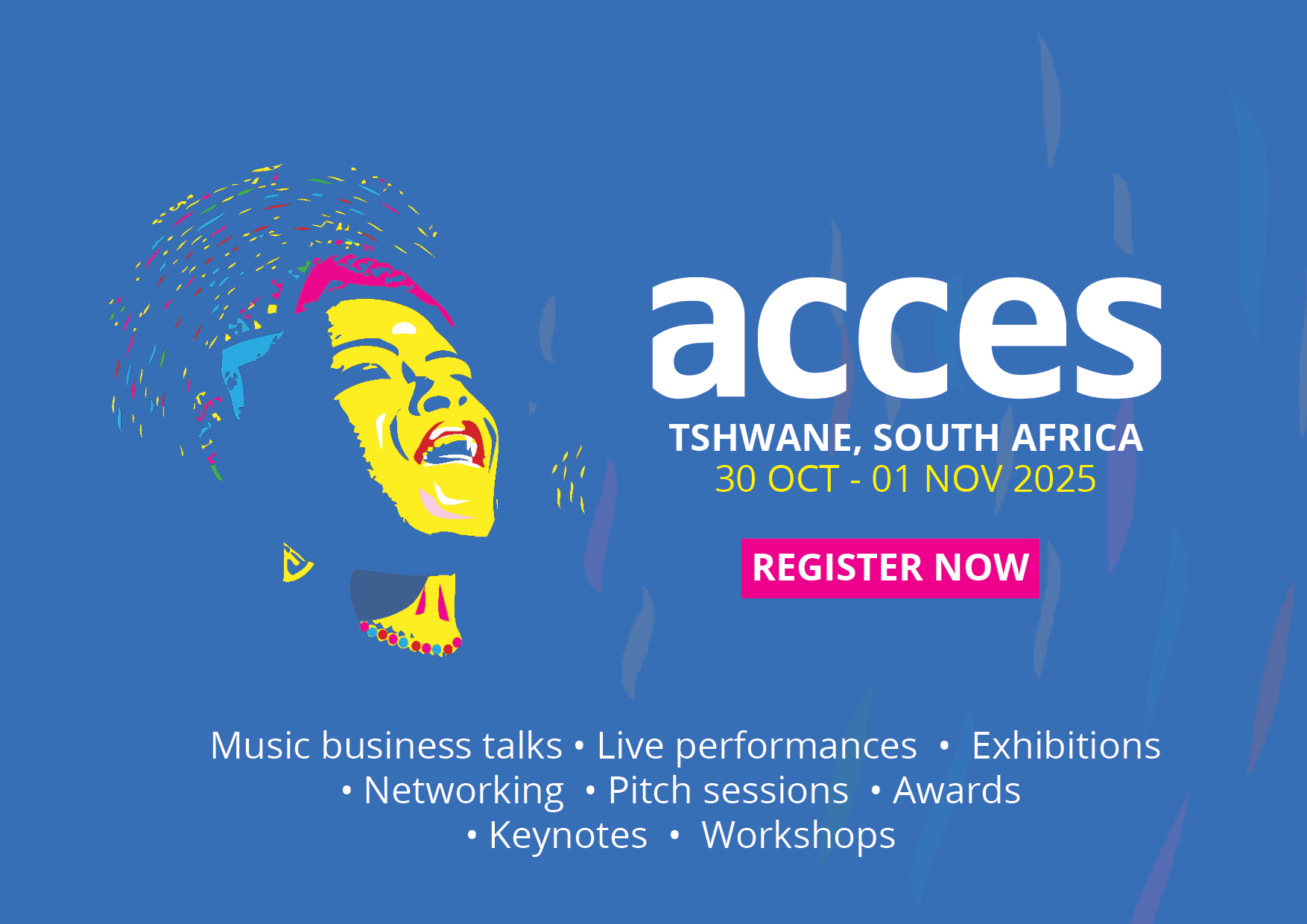
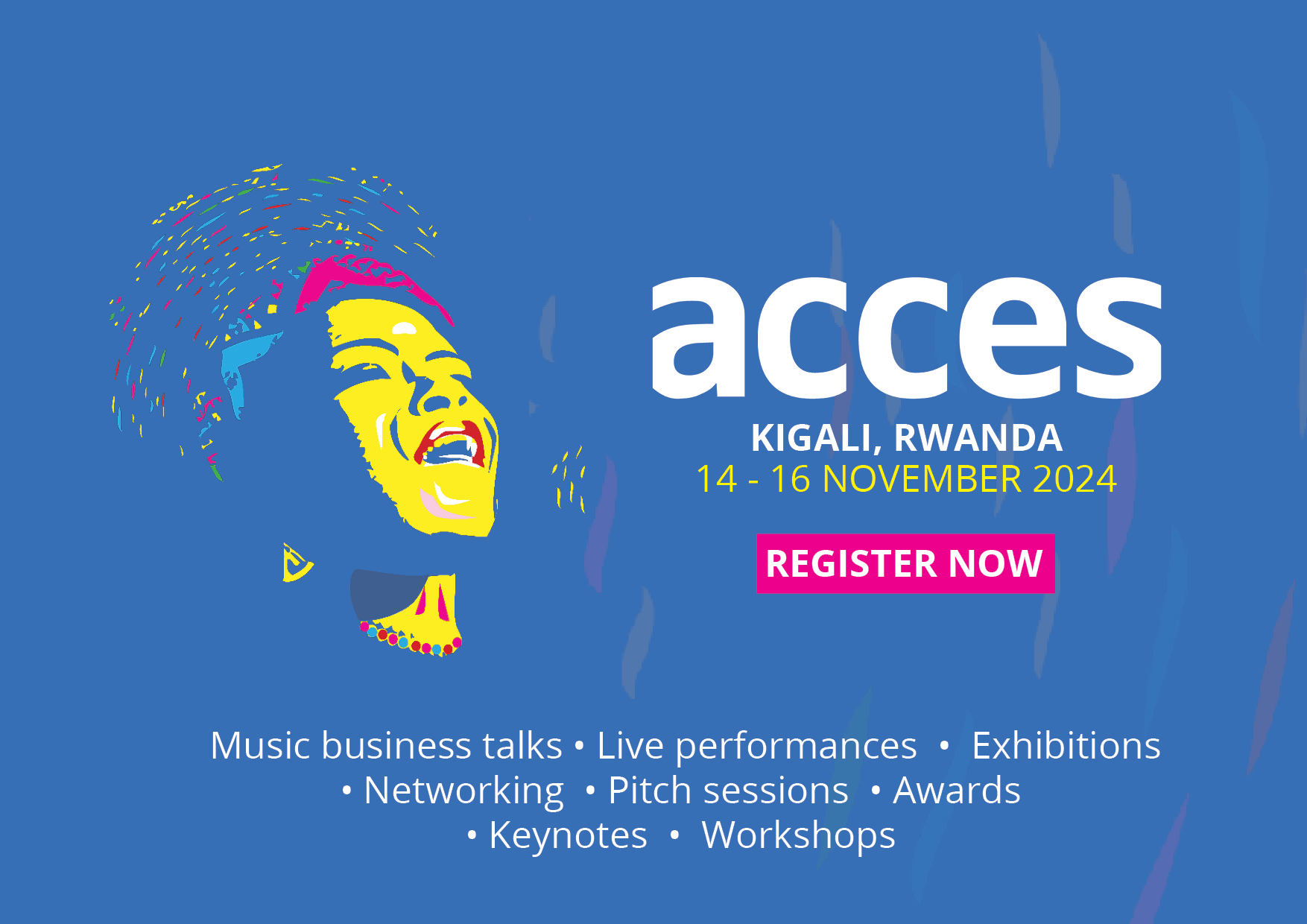
Chaque année, nous fournissons des informations générales afin de guider les participants dans la préparation de leur voyage. En plus de ce site, des mises à jour importantes seront envoyées par e-mail à tous les délégués inscrits. Assurez-vous de vous inscrire dès que possible. Pour plus d'informations, veuillez contacter [email protected] Continuez à consulter cette page pour plus d'information.  

Gender@Work
Gender@Work

Music In Africa Gender @ Work is a three-year training programme aimed at upskilling and increasing the participation of female professionals in the African music sector. Launched by the Music In Africa Foundation (MIAF) in April 2019, the programme is connected to the MIAF’s ACCES music conference – a pan-African event held in a different African country every year. This connection enables the programme to reach new participants in a different African country every year. The programme marks the beginning of a more concerted effort by the Foundation to support the participation and inclusion of women in all facets of its programmes and the music sector in Africa as a whole. Over the three years, the programme will aim to address gender imbalances in the sector through training, lobbying, facilitating knowledge exchange and dialogues that foster the interest of women. The broader objectives of the programme are to: Provide industry training for women on critical music industry skills, focusing on: Stage management Electronic music production and recording Music business management Technical knowledge Provide an opportunity for both professional and aspiring women to benefit from the Music In Africa network and its broad range of activities in 2019, 2020 and 2021. Provide a solution-based platform in the form of a round table at ACCES with a view to identify challenges, discuss opportunities and lobby for the interests of female practitioners. Offer participants the opportunity to benefit from programmes offered by MIAF’s partners. Increase access to educational materials. Integrate participants in the broader ACCES programme to maximise experience and exposure to the industry. Record and present training materials on the www.musicinafrica.net, including but not limited to tutorials, templates and other best-practice materials. Communicate women-based themes that support the initiatives and messages of the programme. MAIN TRAINING ACTIVITIES Training in first country (Ghana): In the first year, participants will be trained on all aspects of stage management by a team of experienced stage managers from 10 to 17 November 2019. The programme will offer robust classroom training as well as practical, hands-on training in which participants will also be given the opportunity to manage various aspects of the ACCES performance programme. Training in second country: The second training iteration will take place at ACCES 2020 when the programme will diversify its course to include music production lessons and training on other music business topics. A round-table platform will also be introduced to coincide with the ACCES programme. Training in third country: The third training iteration will take place at ACCES 2021 in a different country, offering an advanced course. HOW DO YOU GET INVOLVED?  As a participant, facilitator or trainer: The programme enrolls up to 12 trainees every year. All opportunities are advertised publicly on this website, and will be added to this page. Please keep checking this page for new calls (below under UPDATES & CURRENT OPPORTUNITIES). As a partner Please contact Claire Metais at [email protected]. APPLY The call for applications for 2020 will be announced soon. The Music In Africa Gender @ Work programme is made possible with the support of the Prince Claus Fund, Siemens Stiftung and Goethe-Institut.

Sound Connects Fund
Sound Connects Fund

Pour les praticiens et les organisations culturels et créatifs opérant en Afrique australe, l’accès au financement reste un défi majeur. La pandémie de COVID-19 a également eu un impact massif sur les politiques gouvernementales, les dépenses et l’économie en général, et a vu les dépenses consacrées à la culture reléguées plus bas dans la liste des priorités. De plus, les industries culturelles et créatives citent régulièrement quatre domaines principaux où l’investissement est nécessaire pour la croissance : une visibilité accrue, la mobilité incluant l’accès à de nouveaux marchés, le financement et les structures de soutien.

Music In Africa Live

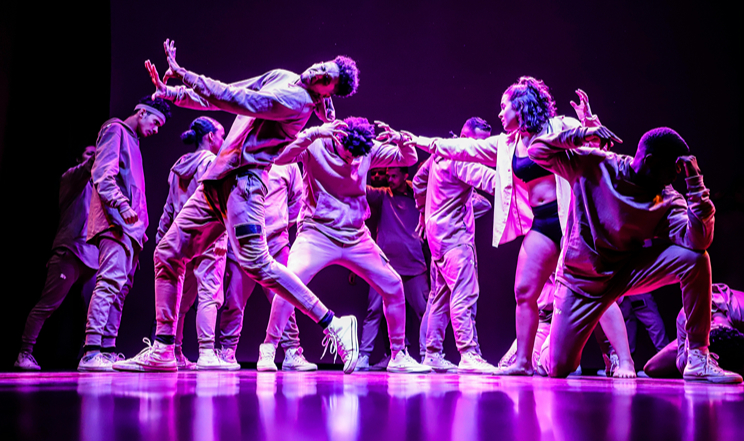
MUSIC IN AFRICA LIVE Lancé en 2020 pour une durée de 3 ans, Music In Africa Live est une initiative visant à soutenir l'écosystème de la musique africaine face aux contraintes imposées par la pandémie de COVID-19 ; le projet a été lancé par la Fondation Music In Africa (MIAF) en partenariat avec le ministère fédéral allemand des Affaires étrangères, Siemens Stiftung et le Goethe Institut. Plus de 30 aides sont disponibles dans le cadre de la troisième édition de Music In Africa Live, dans 3 catégories :  showcases, renforcement des compétences et plaidoyer, en conformité avec les modalités énoncées.

Instrument Building And Repair Project

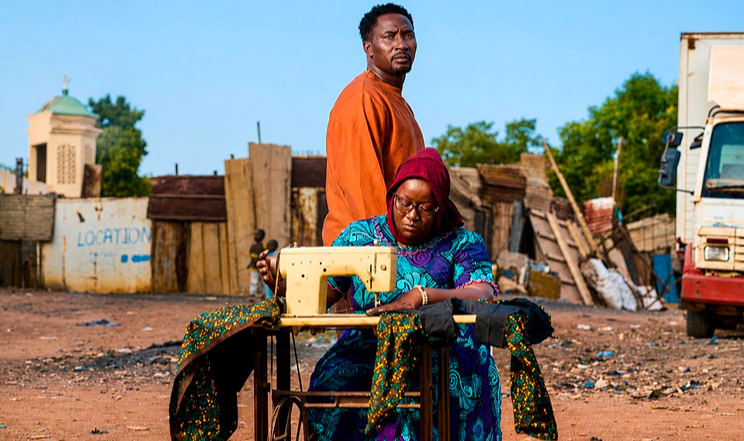
The overarching objective of Music In Africa Foundation’s Instrument Building and Repair (IBR) project is to encourage the formalisation and professionalisation of instrument-making and repair in Africa, especially in relation to indigenous African instruments. Background In 2014, the Music In Africa Foundation (MIAF) identified as one of its focus areas for development the need to encourage young people from music and music-related sectors to consider instrument-making as a career. This need extended itself from the recognition that the making of traditional African instruments is not a widely practiced skill and seems to be limited to the older generation. Traditional African instrument makers are also few and far between, making communication and logistics between teachers and learners an obstacle. When instrument building workshops take place, budgetary constraints do not allow teachers or learners the time to explore the finer details of an instrument. Based on these observations, the MIAF designed and piloted the first IBR workshop at the Dhow Countries Music Academy (DCMA) in Zanzibar in February 2015. In 2016, the foundation received funding from the South African National Lotteries Commission to implement a much bigger version of the project in Johannesburg. The project drew participants from five African countries. 25 students from South Africa, Ghana, Senegal, Kenya and Ethiopia were trained on how to build and repair musical instruments. The instruments that they made were: Traditional Instruments: Umakhweyana and Marimba Conventional Instrument: Dulcimer guitar The workshop culminated in a traditional instruments concert at the Wits Theatre in Johannesburg. It is the MIAF’s aim to roll out similar workshops in as many African countries as possible over the next few years. Objectives Developing awareness of musical instrument makers in Africa with a view to promote their work to a wider global audience. Facilitating the sharing and transfer of skills in indigenous instruments between countries on the continent. Encouraging the formalisation and professionalisation of instrument-making and repair in Africa, especially in relation to indigenous instruments. Helping instrument makers develop their careers. Fostering the rapid monetisation and sustainable development of instrument-making and repair in Africa. Promoting constant exchange of ideas, expertise, experiences and know-how among instrument makers in Africa. Facilitating the identification of existing gaps in the field with a view to contribute new solutions. Facilitating the transfer of knowledge and skills of indigenous instruments between younger and older generations. 2020 edition The MIAF has also announced that multi-instrumentalist and instrument maker Joe Makhanza will facilitate one of the workshops on the building of the kamale ngoni instrument. Kamale ngoni is a kora-like, stringed instrument that originated in West Africa. The instrument contributed to the rise of Wassoulou music in the 1970s and 1990s. Makhanza was born in Giyani in South Africa's Limpopo province. He completed a bachelor of music degree and a post-graduate diploma in arts marketing from Wits University. He is currently completing his masters in ethnomusicology and is a part-time lecturer in African music studies at Rhodes University. He plays the kora, mbira, valiha, masenqo, xiwewe, ngoni ba and xizambi, among others. He also manufactures the aforementioned instruments. The MIAF will confirm more trainers who will join the workshops as well as the other instruments that will be featured in the 2020 IBR programme.  Apply to participate here. Connect with us on Twitter, Instagram and Facebook, and subscribe to our monthly newsletter. The Music In Africa Instrument Building and Repair project is funded by the National Lotteries Commission. It is implemented in partnership with Siemens Stiftung, Goethe-Institut, Wits Theatre and Kaya FM.

banner image

Arts Education in D. R. Congo: Looking Back and Thinking Ahead

Accueil/Non classé/Arts Education in D. R. Congo: Looking Back and Thinking Ahead

Arts education from the Belgian colonial era until the independence of Congo

The colonial era is known to have favored the promotion of African languages ​​and traditions. In fact, ethnological, anthropological and ethnographic studies served first the needs of the European (Belgian) researchers and administrators. Those studies helped them understand the Bantu cultures and mentalities. We now know that initially, around the time when the first religious schools settled in the colony in the 20s, the Belgians published art works under Congolese pseudonyms. By doing so, they were showing that the blacks in the Belgian colony had “evolved”, compared to the « assimilés » of the French or Portuguese colonies. Examples of works created by Belgians include the first painting workshops and the first literary works such as the tale “L’éléphant qui marchait sur les œufs” (“the elephant who walked on eggs”) written by a mysterious Badibanga.

The first black artists and writers emerged much later in the 30s and 40s, particularly in music, theater and painting. The first known painting studios were started in Kinshasa and Lubumbashi. The major recording studios (Ngoma, Opika, Loningisa) were opened by Greek or Portuguese traders in Kinshasa. The first generation of Congolese artists includes Antoine Wendo, Kabasele Joseph (Grand Kalle), François Luambo (Franco), Nicolas Kassanda (Nico), Lucie Eyenga, Victor Longomba (Vicky). The first artists in the Dramatic Arts (theater, ballet, dance, and cinema) include Albert Mongita, Justin Dissassi, Ngombe Baseko Master (aka Maître Taureau) or Alexis Tshibangu.

Between the 40s and the 50s, thanks to sponsors such as “Amis de la vie indigène” (Friends of Indigenous Life), the popular arts took off in cultural centers or via popular shows touring the large cities.  Arts and shows were so successful that an effort to formalize them was undertaken. In 1947, the Académie des Beaux–Arts (Academy of Fine Arts) was created by the Brothers of the Christian Schools.

This tradition of folk arts continued and even increased over time, and the music turned out to be the genre operated with the most genius and success. After the independence in 1960, the movement for the promotion of Negro cultural identities gained momentum.  After the creation of the Festival des Arts nègres (Festival of Negro Arts) in Dakar in 1966, the Conservatoire National de Musique et d’Art Dramatique (CNMA, National Conservatory of Music and Drama) was created in Kinshasa in 1967 with the mission to train technicians and professionals at the secondary and tertiary levels. The creation of the institution contradicted the assertion that « emotion is Negro » and that all blacks, including Congolese, have a natural talent for music. Initially, the CNMA was inspired by European conservatories particularly that of Geneva from which Philippe Kanza Matondo the first director of CNMA graduated. Since its inception, the CNMA had been placed under the supervision of the Minister of Culture and Arts. In 1969, the Théâtre National Congolais (Congolese National Theatre) was created to offer employment opportunities to the professional CNMA graduates.

The Institut National des Arts (INA, National Institute of Arts) and the Mobutu era

In 1971, President Mobutu imposed a reform that merged all the universities and institutes of higher education into a single monolithic structure: the National University of Zaire (French: Université Nationale du Zaïre, UNAZA).  The CNMA was integrated in UNAZA and thus was placed under the authority of the Ministry of Higher Education instead of the Ministry Culture. In 1973, the CNMA became the “National Institute of Arts”; its mission was educational (teaching, research, community service) with a particular focus on the revaluation of local arts. Instead of copying the European conservatories, the National Institute of Arts would use the fundamental principles of classical training to study and research the traditional knowledge and know-how in order to create and promote art in new and modern ways. In 1978 an entertainment section was added to the already existing music and theater section of the INA with the aim of training entrepreneurs and professional cultural managers.

In 1976 a research center called “Centre d’ Etudes et de Diffusion des Arts” (CEDAR or Center of Studies and Diffusion of Arts) was added to the INA in order to reinforce the ‘research’ dimension.

In order to keep up with the state-of-the-art knowledge and techniques, INA firstly consolidated its base at the secondary level via its « applied school » considered as its « nursery », the Institute for the Performing Arts (Institut des Arts du Spectacle-INAS). INA also ambitiously added a tertiary level to each of its departments and diversified the field of « dramatic arts » with theater, dance and film.

INA’s ambitions have proved to be a real challenge because the institution had to overcome the common stereotypes and prejudices against an artistic career often considered as “marginal” in the society. Furthermore, instructors had to be trained about popular dramatic and musical artistic traditions. In the field of music, learning methods, reading, composition and writing standards remain the same; the main areas are: 1) classical music, because it reinforces discipline and the respect of universal norms; 2) ethno musicological research, because it explores the forms and styles of our knowledge and endogenous expertise, and 3) Jazz music, because it gives room to creativity and fantasia. Dramatic Arts are mostly based on stage performance and interpretation. Nowadays, cultural animation is moving more and more towards entrepreneurship, cultural engineering, management, and promotion of cultural heritage.

Future prospects

Today, in 2013, INA is at a crossroads, as the artistic field becomes increasingly multidisciplinary. There are fewer boundaries between the performing arts and the visual arts or fashion, thanks to new forms of « performance », « visual communications » or choreographed exhibitions.

Projects are currently being discussed by experts including the creation of a synergy between modules of different institutes such as the Académie des Beaux-Arts (ABA or Academy of Fine Arts), the Institut Supérieur des Arts et Métiers (ISAM or Higher Institute of Arts and Crafts) and the Insitut Supérieur d’Architecture et de l’Urbanisme (ISA or Higher Institute of Architecture and Urbanism). Several common core curriculums are being planned in connection with the consolidation of professional practices. Other ideas include the implementation of aesthetics modules; the application of the new technologies of communication for the promotion of the tangible and intangible cultural heritage; the implementation of teaching methods using objectives and class projects; the support for in-depth knowledge of the Congolese history and traditions; the connection with workplace and the development of a national cultural policy…

In any case, the higher institutes of arts of the DRC are unique in Central Africa. However, they are still the orphan child of education policies, given the scarcity of government subsidies, the pressure of informal activities on the job market, the job insecurity, and the inadequacy of academic and pedagogical infrastructures.

The strengthening of the curriculums in order to adapt to the rapidly changing technology remains a challenge. Furthermore, to complement the existing specialized arts institutes, arts education should be integrated in the curriculum of general education at the secondary level. This integration is essential in order to instill artistic sensibility and common sense, and for awakening talents.

It is time for arts education in DR Congo to move from the informal realm and amateurism to become more professional and rational.

By Lye M. Yoka

Disclaimer: Music In Africa’s Overviews provide broad information about the music scenes in African countries. Music In Africa understands that the information in some of these texts could become outdated with time. If you would like to provide updated information or corrections to any of our Overview texts, please contact us at [email protected].

newsletter banner

Abonnez-vous à notre newsletter

Retrouvez-nous sur les réseaux sociaux