




























Il y a deux ans, disparaissait Habib Faye. Il reste à ce jour l’un des musiciens sénégalais et africains les plus réputés dans le monde pour son incroyable talent de bassiste, particulièrement. Mais également pour sa polyvalence, son audace et sa générosité dans le partage artistique.
Par Moka Kamara
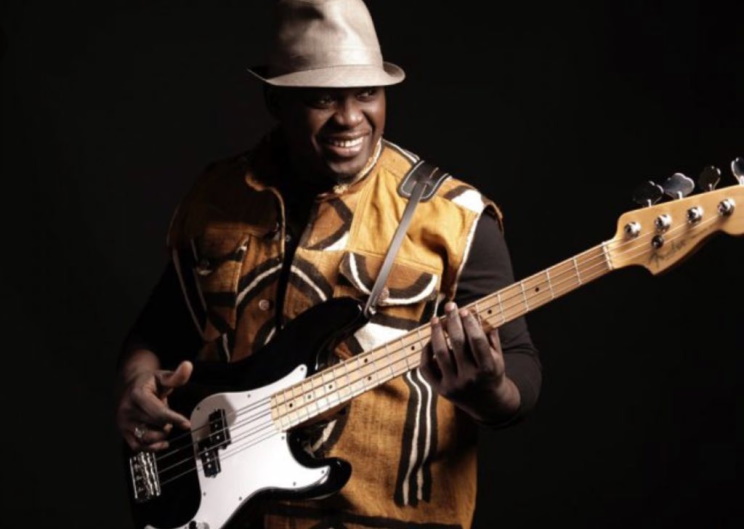
Le réveil a été brutal pour les mélomanes du Sénégal et d’ailleurs, le 25 avril 2018. Habib Faye venait de rendre l’âme, à Paris. Cela fait 2 ans aujourd’hui. Il aurait eu 55 ans.
Aux premières heures de l’annonce du décès, Wasis Diop réagissait avec ces quelques bons mots en hommage au défunt musicien. « (…) Malheureusement, un génie n’en a jamais pour longtemps. On parle là d’un homme jeune au talent si démesuré que le Sénégal n’a jamais pu s’en servir comme il se doit. Je me suis souvent plaint le concernant. Pourquoi restait-il au Sénégal où son talent était inexploité ? Il aurait pu faire taire tous les bassistes américains tant il était puissant ! (…)
Nous perdons le plus grand instrumentiste du Sénégal et au-delà. C’est une énorme perte, tant artistique qu’humaine. Il était souriant et très beau », s’était ému Wasis Diop, sur Jeune Afrique. C’était là des attestations gentilles d’un musicien franc et doué, mais surtout des mots vrais.
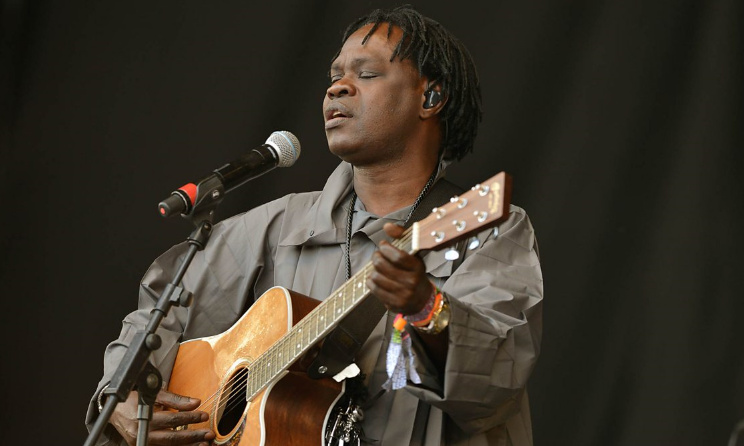
La musique venait d’être orpheline de l’un de ses plus fameux intellectuels contemporains. La guitare basse venait de perdre un maestro brillant et étincelant. Habib la taquinait en majesté. Le pouce droit collé sur le dessus du chevalet de la basse, ses autres doigts grattaient dans une excellente vitesse les frettes pour distiller des mélodies toniques et angéliques qui résistent aux temps.
Toujours avec le sourire charmant, taquin ou éclatant. Parfois avec des quolibets ou de plaisantes pitreries à l’endroit de ses collègues du Super Etoile qui le surnommaient « Bibouya ».
Le surdoué
Habib avait plusieurs cordes à son arc de musicien. Il avait la même joyeuse prestance sur un tabouret, pour percuter la batterie ou manier le clavier. Il avait autant de maestria avec la contrebasse, les guitares solo et classique. Il était chanteur, arrangeur, compositeur et producteur d’ailleurs nominé aux Grammy Awards (2008, avec Angelique Kidjo).
Il avait produit Ndongo Lô et « Le retour » mémorable de Kiné Lam, entre autres succès locaux. Son surnom, « le surdoué de la musique sénégalaise », n’était pas usurpé. Sa polyvalence faisait sa force, et son immense talent sa réputation. Pendant plusieurs années, il a été directeur artistique et chef d’orchestre du Super Etoile de Youssou N'Dour. C’est d’ailleurs dans ce groupe musical qu’il avait construit sa notoriété et ses éclats.
Il a d’abord intégré, un peu avant ses 18 ans, la deuxième formation du Super Etoile de Dakar. C’était un groupe annexe qui se substituait au Super Etoile sur les scènes de Dakar quand les séniors du groupe étaient en tournées internationales. Mais il avait auparavant déjà appris ses gammes à l’âge de neuf ans, quand il faisait presque la même taille que la guitare basse.
C’était aux côtés de ses virtuoses de grands frères, Adama, Lamine et Vieux Mac Faye. Ce dernier raconte d’ailleurs à propos de son défunt frère. « Il a gagné un concours de musique duquel je faisais partie du jury, au Centre culturel Blaise Senghor, sans que je l’aie reconnu au début. J’étais surpris, conquis et convaincu à partir de là », témoigne Vieux Mac. En ce moment, il prestait dans un groupe dénommé « Thiaaf » avec son acolyte de toujours, Ibou Cissé, claviériste du Super Etoile.
Il avait aussi créé le groupe « Watosita » avec l’animateur radio Michael Soumah, dans lequel il était guitariste. Il sera plus tard l’initiateur d’autres groupes. Au début des années 2000, il fonde son groupe de jazz « Habib Faye Quartet » et sort un CD live éponyme. Son premier groupe, Harmattan, a fait les beaux jours du Festival International Jazz de Saint-Louis à la fin du siècle 1900.
En 1984, à 19 ans, il abandonne les études à deux semaines du baccalauréat, à la veille d’une tournée européenne, pour se consacrer exclusivement à la musique et au Super Etoile. Le choix se confirmera comme une bonne nouvelle pour la musique sénégalaise. Au-delà du groupe, Habib va rendre la guitare basse presque incontournable dans la musique sénégalaise.
Si Habib a été si magistral, c’est qu’il a été à la bonne école des influences jazzys de son grand frère, Adama Faye. Ce dernier est un membre fondateur du Super Diamono, qui était la référence jazzy à l’époque grâce à sa touche de génie. Habib s’est d’ailleurs révélé pour la première fois avec le groupe de Oumar Pène, dans lequel il a fait des piges. « Quand Adama et moi répétions, Habib nous accompagnait alors qu’il n’avait que 12 ou 13 ans », révèle Oumar Pène.
En 1980, lors du mythique show de Touré Kounda et de Super Diamono au stade Demba Diop, Habib Faye avait 15 ans. Il suivait tranquillement le concert en spectateur quand il s’entendit appeler sur scène pour remplacer le bassiste de Oumar Pène, absent. C’était sur proposition de Lamine Faye et Ismael Lô, qui étaient en ce temps encore au Super Diamono. Le garçon séduit son monde mélomane.
À la bonne école
C’est Habib Faye qui va introduire la touche jazzy dans la musique de Youssou N'Dour et y greffe les sonorités suavement chromatiques. Les albums Ndobine et Badou, avec surtout le morceau « Bekoor », constituent depuis leur sortie des bases pour tous les apprentis bassistes.
Habib Faye s’est occupé de la conception et de l’arrangement de tous les hits mémorables du groupe. « Nous ne faisons que perpétuer le travail qu’il a magistralement abattu et laissé en héritage pour nous. Il était le cœur du Super Etoile », confie Youssou N'Dour. Les deux étaient très liés.
Sur les grands plateaux mondiaux de Youssou, tous pouvaient manquaient sauf Habib. Jeunes célibataires, ils ont partagé un appartement à la Cité Biagui pendant deux ans. C’est d’ailleurs au gré de ces souvenirs que se sont effectuées leurs retrouvailles, à travers un échange téléphonique, après quelques années de carrière solo de Habib Faye.
Il revient chez lui et participe au Grand bal de Bercy, en novembre 2017, souffrant de son infection pulmonaire, à l’insu du monde. Il meurt cinq moins plus tard, toujours dans la discrétion de ses maux. Pour la petite histoire, le Super Etoile a annulé une tournée courante à l’annonce du décès et retourné sur Dakar. 30 ans plus tôt, en 1987, le scénario s’était opéré quand Habib Faye leur annonçait le décès de Ala Seck.
Vertus sociales
La bienveillante cachoterie de Habib a intensifié le choc chez sa famille et ses amis. La surprise était la chose la plus partagée chez tous ces proches qui lui prêtent les plus nobles qualificatifs. Quoique très discret, Habib avait toutes les vertus sociales.
Tous ceux qui l’ont approché décrivent un homme follement généreux et d’une exquise urbanité. « C’était un immense musicien et un homme très poli, très disponible, très discipliné et très intelligent », concède Oumar Pène. Ismael Lô regrette son talent, son humour et ses blagues distrayantes. Sa famille pleure un membre courtois, sociable et très attachant.
Habib Faye était aussi un fervent disciple mouride, proche de Serigne Saliou Mbacké. Le Cheikh Mansour Diouf a confié que si Serigne Saliou Mbacké n’a pas intronisé Habib Faye au grade de cheikh, c’est certainement parce qu’il jouait encore de la musique. Sa passion. Une passion à travers laquelle il a marqué son nom dans le panthéon de la musique du monde.
Une ouverture dont sa curiosité, sa boulimie et son avidité des connaissances musicales a rendu aisée. Des caractères qui se sont principalement réveillés chez le monsieur après la tournée « Human Right Watch » avec le Super Etoile, en 1987, aux côtés de Peter Gabriel, Tracy Chapman, Sting, Bruce Springsteen, etc.
Habib Faye, un intelligent autodidacte qui s’est beaucoup inspiré des lignes de basses de Jaco Pastorious, a émargé son nom sur les disques de plusieurs grands noms de la musique. On peut citer Mickey Hart, Peter Gabriel, Manu Katche, Mokhtar Samba, Joe Zawinul, Paco Sery, Gilberto Gil, Chet Atkins, Mark Knopfler, Branford Marsalis, Poogie Bell, David Sancious, Lionel Loueke, Tania St-Val, Jacob Devarieux, David Sanborn, Carlinhos Brown, entre autres.
Habib Faye s’offusquait souvent du manque d’audace et de créativité des musiciens sénégalais et africains. Lui avait surpassé cette somnolence et s’est arrogé le mérite d’avoir révolutionné le jazz à sa manière, avec ses lignes de basses. Son album, H2O (2012), auquel participent Manu Dibango, Youssou N’Dour, Julia Sar et Angélique Kidjo, en témoigne grandement.
Il était avant-gardiste et s’inscrivait toujours au diapason des nouveautés. Il est l’un des premiers à se mettre au console, avec comme résultat l’album Euleuk si biir de Youssou Ndour et Oumar Pène. Les albums internationaux de Youssou N'Dour brillent notamment de sa marque et de son ingéniosité.
Beaucoup de jeunes musiciens lui doivent aussi sa contribution désintéressée, répondant à leur aimable estime. « Il nous a tous bercés. Nous avons tous été fans de lui d’emblée, rêvions tous de jouer un jour à ses côtés. J’ai eu cette chance », reconnait le koriste Ablaye Cissoko, avec qui il a signé l’une des plus alléchantes collaborations musicales, avec Kola note café, en 2015. C’était toujours sur le registre du jazz.
D’ailleurs, avant sa disparition, il avait entrepris des explorations sonores et musicales dans plusieurs communautés des profondeurs du Sénégal pour les accorder à ses lignes de basses. Il mourra malheureusement avant la présentation de l’œuvre.
Aujourd’hui, pour la commémoration de l’an 2 de son décès, les Acteurs de l’industrie musicale (Aim) baptise leur siège à son nom. Comme pour immortaliser le nom de Habib Faye, dont l’œuvre magnifique et colossale reste encore bavarde et visible.
Cet article a été initialement publié dans le quotidien national, « Le Soleil » le 25 avril 2020.


Most popular
Appel ouvert : Artistes internationaux pour le CUEW Showcase & Conference 2027 au Japon
18 Sep 2026
Appel à candidatures : programme de résidence Camargo Fellowship 2027-2028 en France
17 Sep 2026
France : Alain Veille élu à la présidence du SNEP
14 Sep 2026

Appel ouvert: Connect & Create accompagne les professionnels du spectacle vivant en Afrique
14 Sep 2026
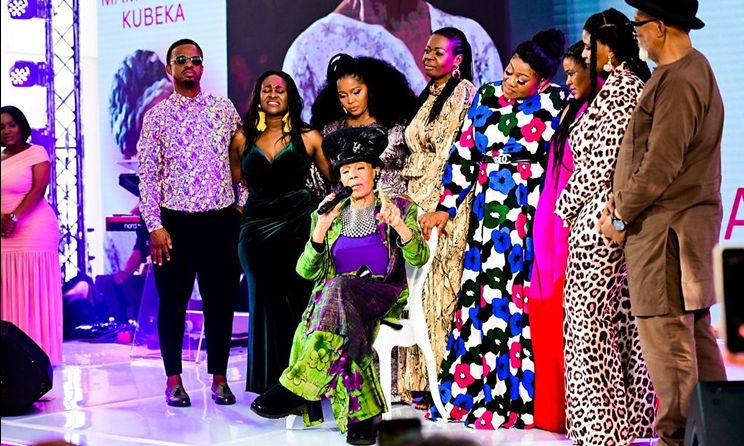
Afrique du Sud : le Joy of Jazz célèbre l’héritage de Mama Abigail Kubeka
08 Sep 2026
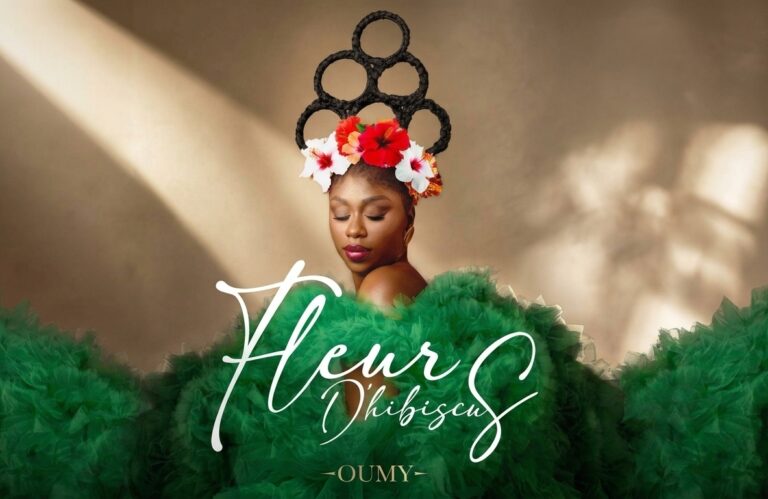
Avec Fleur d’Hibiscus, OUMY chante la reconstruction et l’amour de soi
07 Sep 2026
Disclaimer: Music In Africa provides a platform for musicians and contributors to embed music and videos solely for promotional purposes. If any track or video embedded on this platform violates any copyrights please inform us immediately and we will take it down. Please read our Terms of Use for more.

Abonnez-vous à notre newsletter
Retrouvez-nous sur les réseaux sociaux


Please se connecter to post a comment.