












































By Andrew Miller
Music workshops can be an important career development tool for younger, aspirant musicians. For established artists, workshops also offer an important mechanism through which to stay in touch with the evolving techniques and trends of the broader music industry, and through which to channel social development efforts. The South African music workshop environment is inherently informal, in that there is no central schedule of annual events which can be accessed on a regular basis. This is not to say the South African music industry isn't vibrant and active in the realm of workshops - rather that personal effort is required to understand which workshops are on offer from month to month.

Workshops vs Conferences
The terms 'workshop' and 'conference' are frequently used interchangeably by those in the music industry. For those seeking to participate actively in group learning and information exchange, it is important to understand the distinctions between the mediums, however.
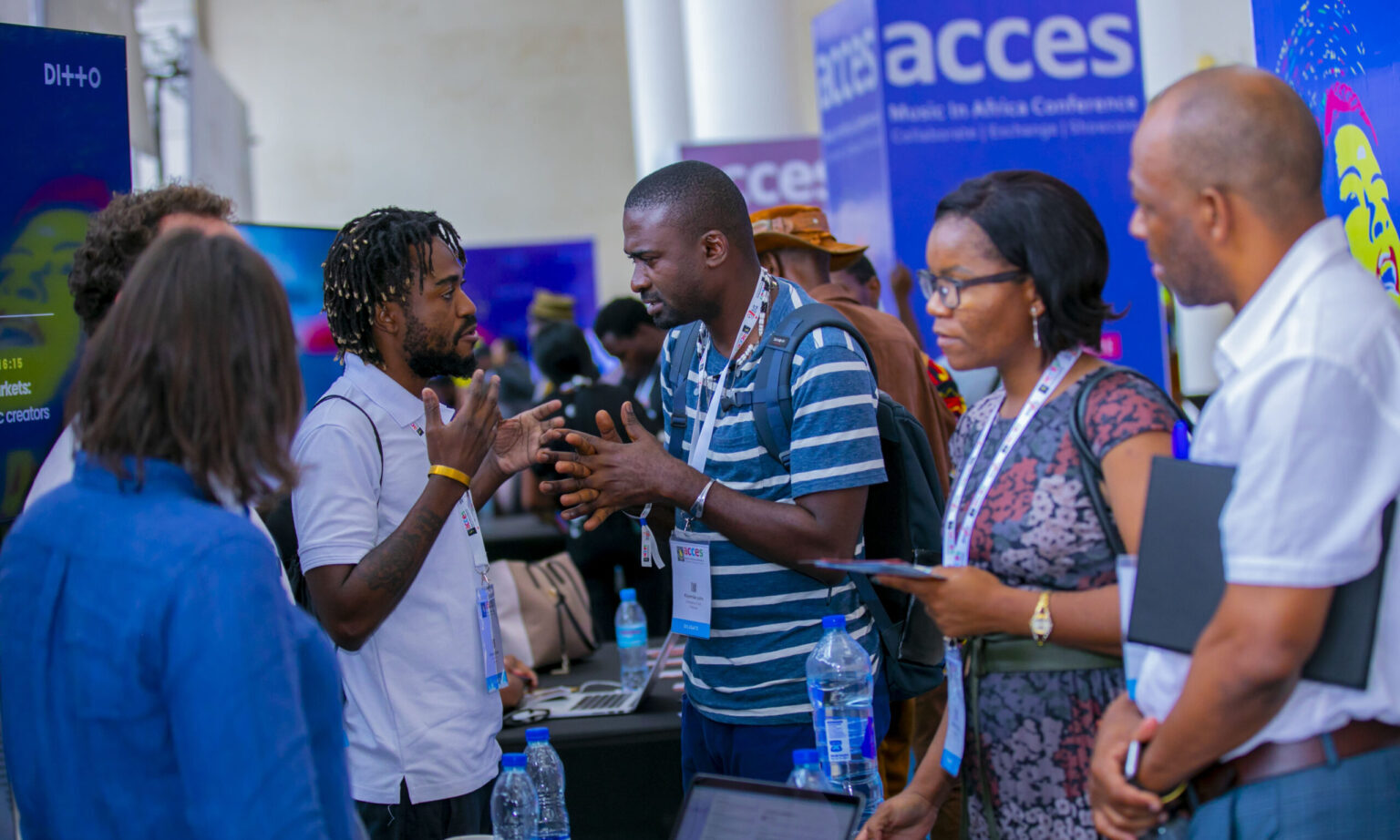
A conference is generally a formal event with a set programme of topics and speakers. Speakers will deliver their content to an audience through a lecture or presentation. There is a limited level of interaction between the audience and the speaker at a conference. However, many conferences feature specific workshop sessions, designed to allow participants to interact on a more intimate level.
A workshop is an informally structured, small event where one or more expert facilitators interact directly with a group to share knowledge and expertise, or where attendees working within the same field and with a similar level of technical skill share experiences and knowledge with each other. Because workshops are often offered within the context of a larger conference, it is important to keep an eye on communication material from music conference organisers if you want to maintain a full understanding of which music workshops are on offer at any given time.
Small workshops are usually better. According to industry expert David Chislett, “If there are more than 40 of you in a room, the facilitator is never going to be able to interact with all of you effectively.” This is more like a lecture or a conference, which is a very different way of learning.
Making the Most of a Workshop
Maximum value can be gained from a workshop if participants prepare for the event beforehand. Key elements to preparation include:
- Having a personal / business profile on hand;
- Demo material or other samples of your work are important ways to enhance communication within the group;
- Prior preparation around subject matter can be very beneficial - research allows you to participate actively, rather than passively, in the subject matter; and
- Having business cards on hand.
The above elements do not only concern the career advancement intentions of the individual concerned. They also play an important role in ensuring that all participants are able to communicate and share information effectively, over a short period of time frame.
According to Dave Chislett, a frequent guest at South African workshops, many participants fail to make the most of workshops: “Mostly they come very unprepared, with no idea of what they could get out of an event. Sometimes they bring closed minds too, which does make one wonder why they bother! They also don't bring demos, business cards or other means of making sure they can show people they might meet what they are up to. I also find that often participants do not make enough effort to meet the other musicians present. One never knows who will be present in a room. You should always meet everyone!”
Before going to a workshop, Chislett suggests you make sure you understand what the content will be and are ready to ask questions. You also need to have an open mind and open ears, and be discerning - choose the information and advice that will work for you. If one approaches them correctly, workshops offer many benefits, such as important technical and new information, as well as opportunities for industry networking, self-marketing and general relationship building.
Some workshops charge a fee; others are free, for example those organised the by government. According to Chislett, both forms have a legitimate place in the country and are necessary, albeit for different reasons. He feels that paid workshops are usually better, as participants tend to take things more seriously. However, before paying for a workshop, one needs to assess the reputation of the facilitator, the ease of access, whether or not there will be any ‘take-aways’ such as notes or technical guides, and who else will be attending.
Major Annual Events
South Africa enjoys several major annual music events, featuring specific workshop sessions around a range of subjects. There is no guarantee, year on year, as to the date of these events, or the specific line up each year. Keeping an eye on announcements around each event, on-line and in the press, is the best way to stay informed with regards to the workshops available at any given time.
Moshito: The annual Moshito music conference in Johannesburg is in its tenth year. It aims to offer an educational platform for musicians at all levels. At the core of the event is an exhibition where businesses and role players within the music industry showcase their offerings to peers. The conference content ranges from formal presentations through to plenary sessions, breakaway discussion sessions and workshop sessions. Moshito effectively creates an industry village for its duration, including performances from live bands and many opportunities to network and engage with role players and stakeholders at all levels. Moshito’s headline activities may lack a degree of intimacy and directness, but the breakaway sessions, plenary sessions and workshops offer significant value across a wide range of subjects and genres.
Breathe Sunshine African Music Conference: Organised by the Black Mango label, the inaugural Breathe Sunshine South African Music Conference took place in April 2013 in Cape Town. The conference aims to encourage networking and the sharing of information between all involved in the African music community and features a diverse local and international audience. The conference includes an extensive workshop programme, featuring prominent local and international industry figures. Workshop topics include: Taking Electronic Music Live, How to Shoot a Music Video, How to Get Ahead in the Music Industry, and a Hip Hop Master Class, among others. Prominent figures appearing on the 2013 workshop line-up included: Emile, Ready D, Jack Parow, David Chislett, Greg Copeland and Fletcher Beadon, among others.
Cape Town Electronic Music Festival: The Cape Town Electronic Music Festival (CTEMF) offers a range of comprehensive workshops, covering a wide range of topics and featuring leading local and international music personalities. The workshop series is put together in partnership with Red Bull Studios and various other organisations. The festival is one of South Africa's major electronic music events, and the workshop guest list reads like a who's who of South African electronic music. Venues for the workshops range from the Red Bull Studios in Cape Town through to Langa township, and subject matter ranges from technical guidance to career development and philosophical issues such as empowerment through music.
KZN Music Imbizo: Launched in 2007, the KZN Music Imbizo is an annual music business exhibition and conference. It is held in Durban and maintains a regional focus. The conference sees the participation of local and international industry players and features an assortment of private and government sponsors. The conference portion of the event includes a strong focus on panel discussions. Also notable are the sound equipment demonstrations, which provide a practical engagement and learning mechanisms for seasoned pros and students alike. The music producers’ forum sessions offer an important learning channel, with discussion topics ranging from technology and software through to marketing.
DJU Southern African Music Conference: DJU is a collective of the country's major dance music DJs and music producers, including Oskido, Vinny, Fresh, Christos and Greg Maloka. They established the Southern African Music Conference (SAMC) in 2005. Big names have emerged from the conference, including the likes of Black Coffee and Euphonik. Facilitators and participants include leading figures from across the South African music spectrum, and breakaway sessions are a key part of a general programme which seeks to cover a very wide range of topics. Although a dance music influence is inherent in the event, SAMC is by no means electronically focused. Subjects broach important ideas such as entrepreneurship, understanding the contractual elements of the industry, social media, marketing and branding, and budget studio set up tips - to name just a few. The five-day programme also features a litany of technical guidance modules for those operating within the realm of dance music and DJing, and concludes with the ever-valuable demo listening session.
Music Exchange: Music Exchange is a conference in Cape Town featuring a host of major industry names in its presentations and panel discussion sessions. Music Exchange is clear about its core aim - to get stuck into 'the business of music.' To this end, it enjoys solid sponsorship from brands such as Rolling Stone magazine, Red Bull, Big Concerts, the City of Cape Town and the Southern African Music Rights Organisation (SAMRO). Music Exchange is run by Martin Myers, Sipho Hotstix Mabuse and Peter Lacey, all key figures in the local scene. Collectively they have engineered a good local/international content mix. Workshop sessions are not a huge part of the programme, but aspirant stars will surely relish the Demo Recording Drop Off portion, effectively a demo competition which results in the announcement of five winners who then feature at a live event. Also attractive is the general presence of local and international label representatives.
Touring Acts
A steady stream of international musicians visit South Africa. Many of the global stars arriving in the country are committed to sharing their knowledge and expertise with South Africans, and hold workshops with youth groups, music colleges and the like. In addition, the experienced tour crews and logistical experts that surround international tours also hold industry workshops in the country. In 2012, for example, Jim Digby, one of the world's leading 'Roadies' held a workshop with Johannesburg sound engineering students during Linkin Park's South African tour. Similarly, Tosin Abasi, the Nigerian-born guitarist for acts such as Animals as Leaders and Tram, held an 8-string guitar workshops in 2013 during his trip to South Africa. These are just two examples of the workshop activity that takes place around international artists.
These types of workshops are generally small and not widely advertised. The key to finding out what is going on, and when, is to pay attention to media reports. Workshops are often mentioned in the space of a single line in larger stories about a tour. Venues and dates are often also mentioned. Once you have a little information about the event, you can call the organisers and ask if it is possible to attend. You'll be surprised at how often the answer is yes, and how informative and interesting sessions like these can be.
Music Venues
Certain live music venues pay specific attention to education and social development, specifically in the form of informal workshops. Many of the sessions they support are of significant value for musicians living and working within the geographic area of the venue. In Johannesburg, two such venues are Rumours Lounge in the West Rand and the Afrikan Freedom Station in Westdene. Regardless of city or venue, the principle remains the same: if you notice that a venue is hosting, or has hosted, music workshops, keep an eye on their web site, or connect with them via Facebook or Twitter. The next time they're doing something interesting and /or enlightening, you'll be in the know.
Organisations and Websites
A range of active organisations – both educational and cultural - regularly host ad hoc music workshops. It can therefore be useful to keep an eye on their websites and general media activity to gauge what might be going on, and when. Such organisations include
SAE Cape Town, an educational institution specialising in creative media education, and features a wide ranging workshop programme; the Goethe Institute, which frequently delivers workshops (on music and other creative industry subjects), not only in Johannesburg but also in areas such as Durban and Cape Town; the Maboneng Precinct, situated in downtown Johannesburg, which hosts a wide range of arts, music and culture organisations and thus is a recurring venue for music and other workshops. Another organisation that can be useful is the Southern African Music Rights Organisation (SAMRO), a key organisation for all musicians that is involved in initiatives of varying scale across the country, often through its Foundation. Signing up to their weekly newsletter is essential. Popular TV channel MTV Base recently organised the MTV Africa All Stars KwaZulu-Natal workshop at the Playhouse in Durban. There are no clear signs that this will be a regular event yet, but the brand is generally active in the music business. Watch their website for similar initiatives. Finally, Red Bull, via its Red Bull Studios, is always up to something. The brand is often involved in music workshops at a variety of levels. Visit their web site for details.
Entertainment websites also allow you to stay up to date with what's going on with respect to the general music scene, including workshops. Subscribe to the relevant newsletter to stay up to date. National websites include Music Industry Online (www.mio.co.za) and What’s On (www.whatson.co.za), while regional sites include Joburg.co.za (www.joburg.co.za) and What’s On In Cape Town (www.whatsonincapetown.com). The Content Bar runs the popular site JHB LIVE (jhblive.co.za) as well as similar projects in Cape Town (capetownlive.co.za) and Durban (durbanlive.co.za). Countless other sites are always popping up. See our media directory for more.


Most popular

Top Naija songs of 2026
31 Mar 2026

Top Afrobeats songs of 2026
19 Mar 2026

Top amapiano songs of 2026
16 Feb 2026
Open call: CANEX Music Business Lab and Songwriting Camp
15 Oct 2026
Open call: National Arts Festival artistic director in SA
15 Oct 2026
Ghana: Mr Eazi and MOLIY’s ‘Comfort’ earns Urban Music Awards nomination
21 Oct 2026
Disclaimer: Music In Africa provides a platform for musicians and contributors to embed music and videos solely for promotional purposes. If any track or video embedded on this platform violates any copyrights please inform us immediately and we will take it down. Please read our Terms of Use for more.

Subscribe to our monthly Newsletter
Follow us on social media


Please log in to post a comment.